
Pet CD52 Therapeutic Antibody Development
Creative Biolabs is committed to advancing veterinary immunotherapy through the development of next-generation therapeutic antibodies targeting immune regulatory molecules. Our pet CD52 therapeutic antibody development service focuses on harnessing this critical surface glycoprotein to modulate immune responses in dogs and cats. By combining deep immunological insight with advanced antibody discovery platforms, we deliver tailored solutions for research and clinical applications in companion animal health. Whether you are exploring CD52 modulation for autoimmune control, lymphoma management, or transplantation tolerance, our team provides comprehensive scientific and technical support from target validation to preclinical evaluation.
Platforms in Therapeutic Antibody Discovery
Creative Biolabs offers fully integrated antibody discovery platforms optimized for canine and feline applications. Each discovery platform can be tailored to the species and desired antibody format, whether IgG, scFv, or Fc-modified variants. Our integrated workflow ensures high efficiency and reproducibility, delivering candidates ready for downstream functional assessment.

- Phage Display: Our phage display platform utilizes species-specific libraries designed to generate high-affinity binders against pet CD52 while minimizing immunogenicity.
- Single-B Cell Sorting: Single-B Cell Sorting enables the identification of naturally occurring, high-affinity antibodies derived from immunized animals or patient samples, offering an ideal starting point for engineering and optimization.
- Hybridoma Technology: Our Hybridoma technology supports the production of monoclonal antibodies in murine systems, which can be subsequently humanized or caninized/felinized for therapeutic development.
Comprehensive Antibody Development Services
Our service portfolio covers all essential stages of therapeutic antibody development. Creative Biolabs ensures that each antibody candidate undergoes a rigorous development process to meet therapeutic quality standards.
Antibody Characterization
Affinity measurement, epitope mapping, binding kinetics, and cross-reactivity profiling using advanced biophysical and immunological assays.
Antibody Engineering
Sequence optimization, Fc modification for effector control, and species adaptation to improve pharmacokinetics and minimize adverse immune responses.
Preclinical Evaluation
Functional validation in species-relevant immune cell assays, as well as disease-specific in vivo efficacy and safety assessments.
Antibody Development
Stable cell line generation, expression optimization, and scalable production suitable for research or preclinical-grade material.

Why Focus on CD52?

CD52 is a small glycoprotein expressed on the surface of mature lymphocytes, monocytes, and dendritic cells. In companion animals, this molecule plays a key role in regulating immune cell survival and activation. Therapeutic antibodies targeting CD52 can effectively deplete or modulate lymphocyte populations, offering potential benefits in treating immune-mediated diseases and hematologic malignancies. In dogs, CD52 antibodies show promise in managing autoimmune disorders such as immune-mediated hemolytic anemia and systemic lupus-like syndromes. In cats, modulation of CD52 may support research into T-cell driven inflammatory or neoplastic conditions. Because CD52 expression patterns and immune responses differ between species, species-specific antibody development is essential. Creative Biolabs specializes in cross-species comparative immunology to ensure precise and effective targeting. To explore collaborative opportunities in canine or feline CD52 antibody design, contact us for a detailed discussion.
Mechanism of Action
CD52-targeting antibodies function primarily through immune cell depletion and modulation. Upon binding to CD52 on the surface of lymphocytes, the antibody induces complement-dependent cytotoxicity (CDC) and antibody-dependent cellular cytotoxicity (ADCC), leading to selective elimination of overactive immune cells. This mechanism helps reset immune balance in autoimmune and inflammatory diseases and may provide therapeutic benefit in lymphoproliferative disorders. Furthermore, transient immune suppression via CD52 blockade can facilitate tolerance induction in organ transplantation models. The ability to fine-tune antibody isotypes and Fc effector functions enables development of candidates with either cytolytic or immunomodulatory activity-tailored to specific veterinary indications. To discuss how Fc engineering or effector modulation could enhance your antibody design, consult our antibody engineering experts.
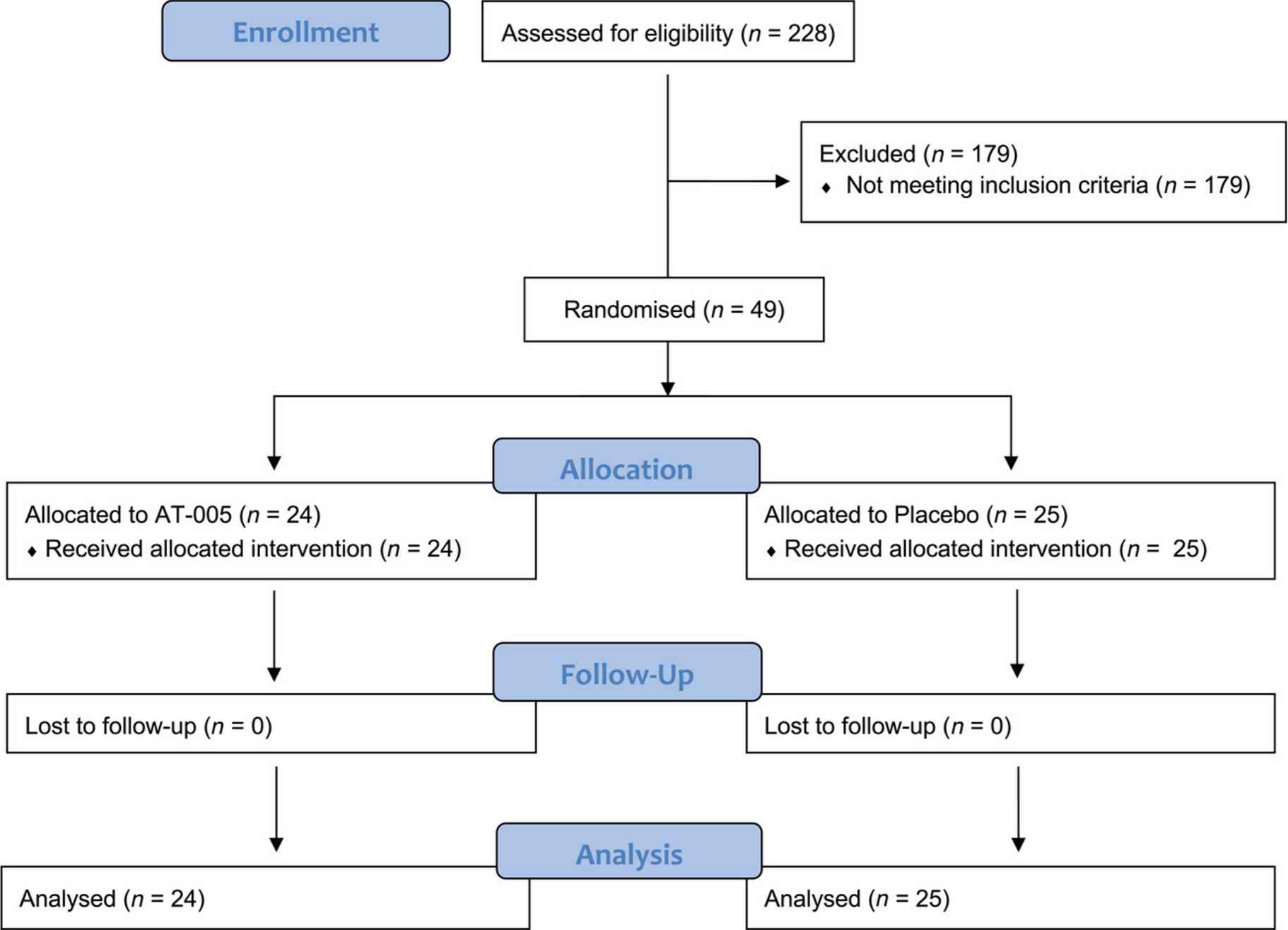 Fig 1. Randomised trial evaluating novel monoclonal antibody therapy for canine T‐cell lymphoma.1
Our Advantages
Partner with Creative Biolabs
Partnering with Creative Biolabs means gaining access to a multidisciplinary team dedicated to veterinary antibody innovation. From early discovery to preclinical validation, our tailored workflows empower clients to translate immunological concepts into therapeutic solutions for companion animals. Whether your goal is immune modulation, oncology research, or immune tolerance induction, we provide the tools and expertise to bring your project to completion.
For collaborative development of pet CD52 therapeutic antibodies or custom veterinary biologics, connect with our scientific team today. Let us help you advance your next-generation veterinary immunotherapy.
Reference
- Musser, Margaret L et al. "Randomised trial evaluating chemotherapy alone or chemotherapy and a novel monoclonal antibody for canine T-cell lymphoma: A multicentre US study." Veterinary record open vol. 9,1 e49. 1 Nov. 2022. Distributed under Open Access license CC BY 4.0, without modification. https://doi.org/10.1002/vro2.49