
Pet IL-17 Therapeutic Antibody Development
Creative Biolabs provides specialized end-to-end solutions for the discovery and development of therapeutic antibodies in veterinary medicine. With a strong focus on immunological targets like IL-17, our services are designed to accelerate the translation of cutting-edge science into effective biologics for companion animals. From discovery platforms to preclinical evaluation, we deliver tailored programs that support every stage of antibody development. If your team is exploring IL-17 inhibition in canine or feline disease, we welcome the opportunity to discuss customized approaches that meet your specific research and therapeutic goals.
Platforms in Therapeutic Antibody Discovery
We provide multiple discovery platforms, which can be applied independently or in combination, depending on project needs. For inquiries about which discovery approach may best support your IL-17 antibody development strategy, our experts are available for detailed consultation.
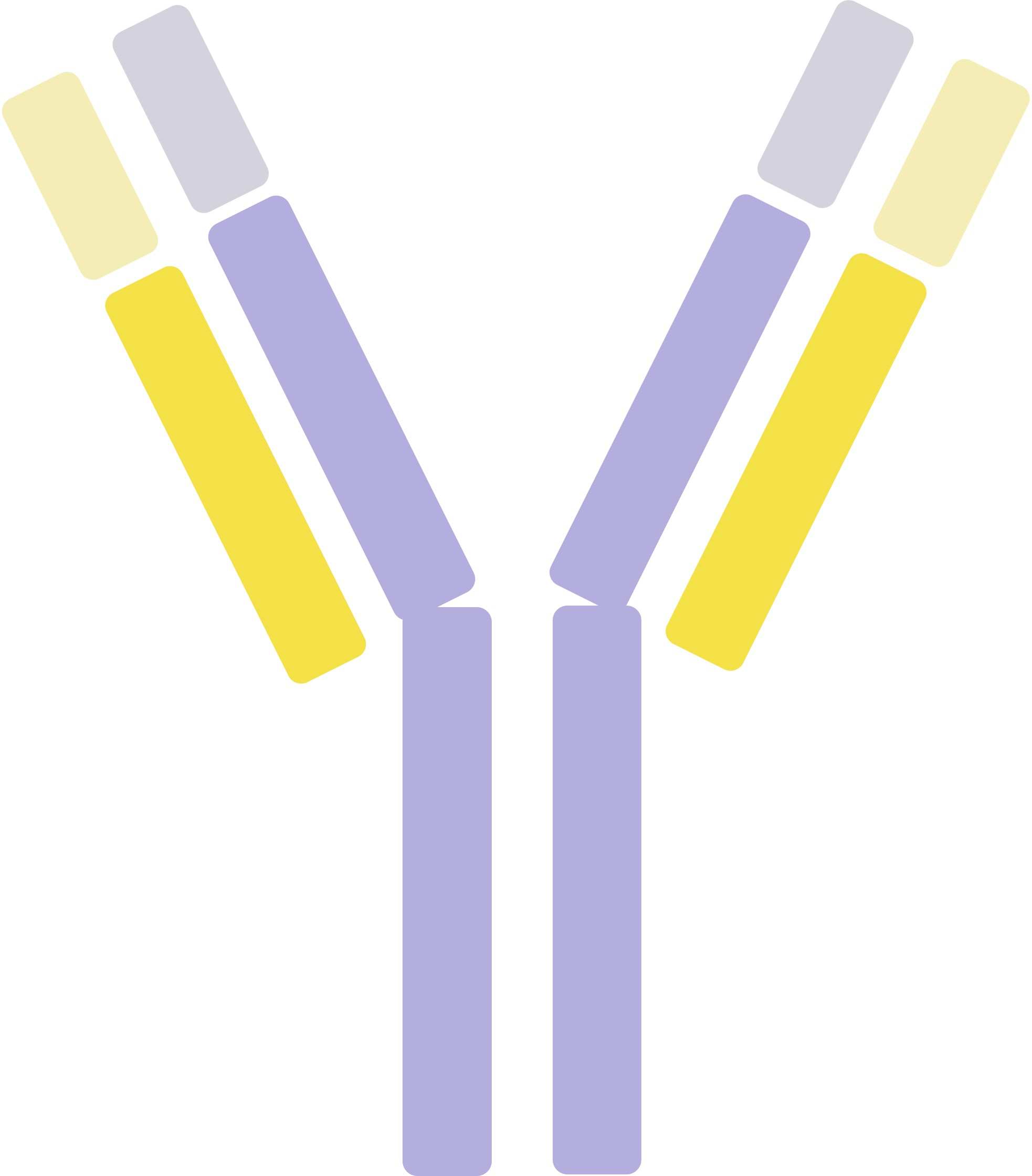
- Phage Display: Our proprietary canine and feline phage libraries allow for rapid identification of high-affinity antibodies against IL-17. This technology offers exceptional diversity, enabling the discovery of leads suitable for downstream therapeutic engineering.
- Single-B Cell Sorting: By isolating B cells producing IL-17-specific antibodies, this platform provides a direct path to harness naturally occurring immune repertoires. It ensures the generation of antibodies with strong physiological relevance and potential therapeutic benefit.
- Hybridoma Technology: Our hybridoma programs remain a reliable method for generating monoclonal antibodies, offering stable and reproducible antibody production. These antibodies can be further engineered and optimized to align with therapeutic requirements in dogs and cats.
Comprehensive Antibody Development Services
Whether you are at the stage of initial discovery or preparing for regulatory submission, Creative Biolabs offers fully integrated workflows that streamline development timelines.
Antibody Characterization
Rigorous analysis of binding kinetics, epitope specificity, stability, and functional activity to ensure robust therapeutic potential.
Antibody Engineering
Optimization for improved pharmacokinetics, reduced immunogenicity, and enhanced efficacy tailored to veterinary applications.
Preclinical Evaluation
In vivo and in vitro studies to assess safety, tolerability, and therapeutic performance in relevant models.
Antibody Development
Scalable processes for consistent antibody production, ensuring readiness for advanced development or translational studies.

Why Focus on IL-17?
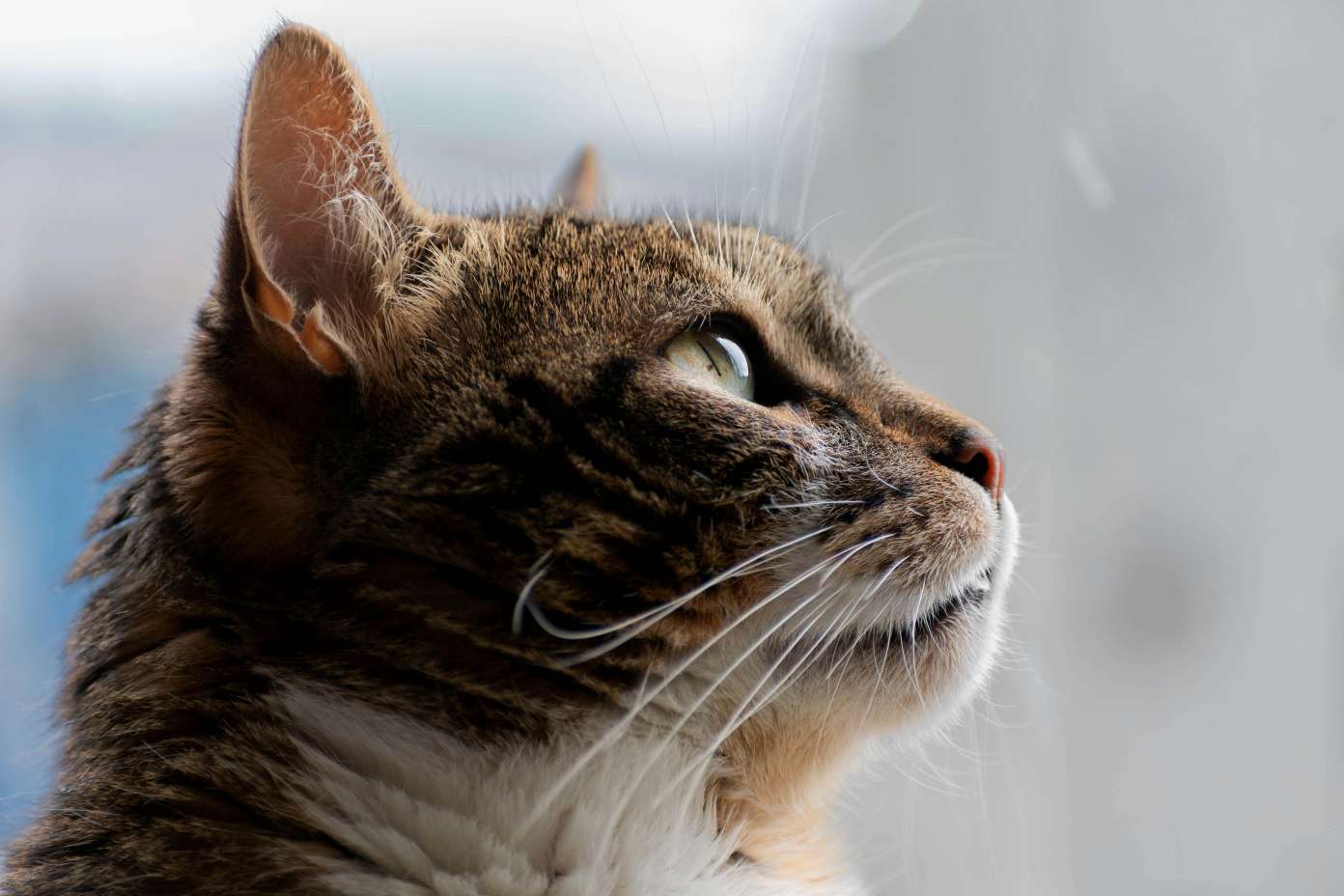
IL-17 is a pro-inflammatory cytokine central to the regulation of immune responses and tissue inflammation. While critical for host defense, excessive IL-17 activity drives chronic inflammation and autoimmune pathology. In dogs, IL-17 has been implicated in dermatological disorders such as atopic dermatitis and immune-mediated joint disease. In cats, its overexpression has been linked to gastrointestinal inflammation and chronic mucosal immune disorders. In both species, IL-17-mediated pathways represent a promising therapeutic focus for conditions where conventional treatments may be insufficient. This makes IL-17 a highly relevant and valuable target for therapeutic antibody programs in veterinary medicine.
Mechanism of Action
Therapeutic antibodies directed against IL-17 work by neutralizing the cytokine, preventing it from binding to its receptor complex on target cells. This blockade interrupts downstream signaling that drives recruitment of neutrophils and production of other inflammatory mediators. By specifically targeting IL-17, the antibody reduces pathological inflammation while preserving broader immune competence. For companion animals, this translates into alleviation of chronic inflammatory symptoms and improved quality of life without the broad immunosuppression associated with some conventional therapies. Creative Biolabs supports precise mechanistic evaluation to ensure IL-17 antibody candidates demonstrate clear therapeutic benefit.
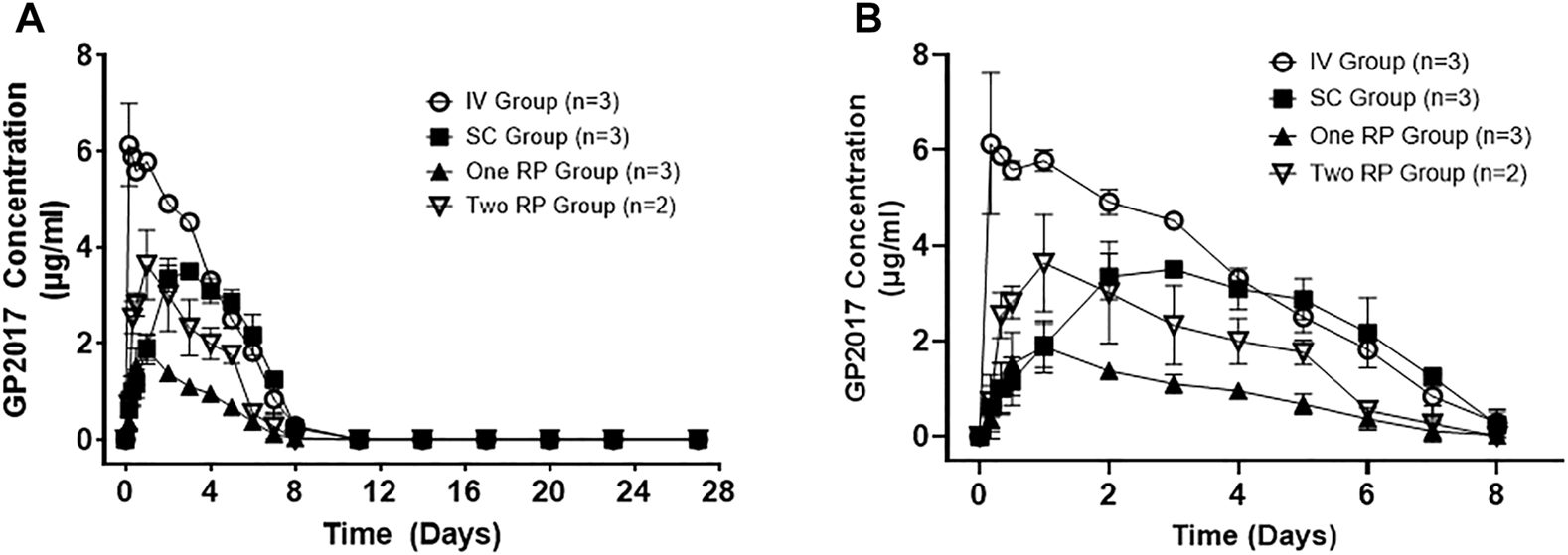 Fig 1. Delivery of an anti-IL-17A monoclonal antibody to canine via an ingestible robotic pill.1
Our Advantages
Partner with Creative Biolabs
The development of IL-17 therapeutic antibodies represents a new frontier in veterinary medicine, offering solutions for chronic and immune-mediated conditions in dogs and cats. Creative Biolabs combines advanced discovery platforms, comprehensive development services, and dedicated expertise to help transform your IL-17 research into effective therapies.
We invite you to connect with our team to discuss your project needs, assess feasibility, and explore potential collaboration. Contact Creative Biolabs today to initiate your IL-17 therapeutic antibody development program and advance innovation in companion animal health.
Reference
- Yamaguchi, Alyson, et al. "Transenteric delivery of antibodies via an orally ingestible robotic pill yields high bioavailability comparable to parenteral administration in awake canines." Frontiers in Drug Delivery 2 (2022): 955569. Distributed under Open Access license CC BY 4.0, without modification. https://doi.org/10.3389/fddev.2022.955569