
Pet PD-1/PD-L1 (Immune Checkpoint) Therapeutic Antibody Development
Creative Biolabs specializes in advancing therapeutic antibody programs that address critical unmet needs in veterinary medicine. Our expertise extends to immune checkpoint pathways, including PD-1 and PD-L1, which are increasingly recognized as central regulators of immune evasion in cancers affecting companion animals. By integrating state-of-the-art discovery platforms, advanced engineering capabilities, and rigorous preclinical evaluation, we provide end-to-end solutions to help partners accelerate immune checkpoint antibody development for dogs and cats. If you are exploring novel strategies in veterinary immuno-oncology, our team is well-equipped to guide your project with tailored support.
Platforms in Therapeutic Antibody Discovery
We provide multiple discovery platforms to generate and refine canine- and feline-specific antibodies. These platforms can be applied independently or combined strategically, giving clients flexibility in balancing discovery speed, diversity, and downstream optimization.

- Phage Display: Our species-specific phage libraries allow high-throughput screening of diverse antibodies that bind PD-1 or PD-L1 with precision. This approach ensures access to unique candidates optimized for veterinary applications.
- Single-B Cell Sorting: Using advanced cell sorting, we directly isolate B cells producing antibodies against PD-1 or PD-L1. This platform preserves natural heavy- and light-chain pairing, delivering highly functional antibodies suitable for downstream engineering.
- Hybridoma Technology: A robust and reliable approach, hybridoma generation provides monoclonal antibodies that can be further engineered for improved activity and developability in companion animals.
Comprehensive Antibody Development Services
Our services extend through all stages of antibody development to ensure strong scientific and translational outcomes. By offering these interconnected services, Creative Biolabs enables clients to streamline PD-1 and PD-L1 therapeutic development while reducing risk at each milestone.
Antibody Characterization
In-depth analysis of affinity, specificity, epitope binding, and functionality, confirming candidate relevance to immune checkpoint blockade.
Antibody Engineering
Customization to enhance therapeutic potential, including affinity maturation, Fc engineering, and reduction of potential immunogenicity in dogs and cats.
Preclinical Evaluation
Rigorous in vitro and in vivo studies to validate efficacy, safety, and pharmacokinetics in species-relevant systems.

Antibody Development
Scalable production, quality assurance, and preparation for regulatory submission in future applications.
Why Focus on PD-1 / PD-L1?

PD-1 is an immune checkpoint receptor expressed on activated T cells, while its ligand PD-L1 is expressed on tumor cells and antigen-presenting cells. Their interaction dampens immune responses, allowing tumors to evade immune surveillance. In dogs, PD-1/PD-L1 signaling has been linked to aggressive cancers such as lymphoma, melanoma, and osteosarcoma. In cats, evidence suggests PD-L1 expression plays a role in mammary carcinoma and other malignancies. Because these immune checkpoints directly suppress anti-tumor immunity, targeting them offers a promising pathway for developing novel immunotherapies to extend survival and improve quality of life in pets facing cancer.
Mechanism of Action
The mechanism of action of PD-1 or PD-L1 therapeutic antibodies involves blocking the binding interaction between PD-1 on T cells and PD-L1 on tumor cells or immune cells. This blockade restores T-cell activation, proliferation, and cytotoxic function, allowing the immune system to effectively recognize and attack tumor cells. By lifting immune suppression, these antibodies reinvigorate anti-tumor responses and enhance overall immune surveillance. In veterinary applications, this mechanism mirrors approaches successfully applied in human immuno-oncology, tailored specifically for canine and feline immunological environments.
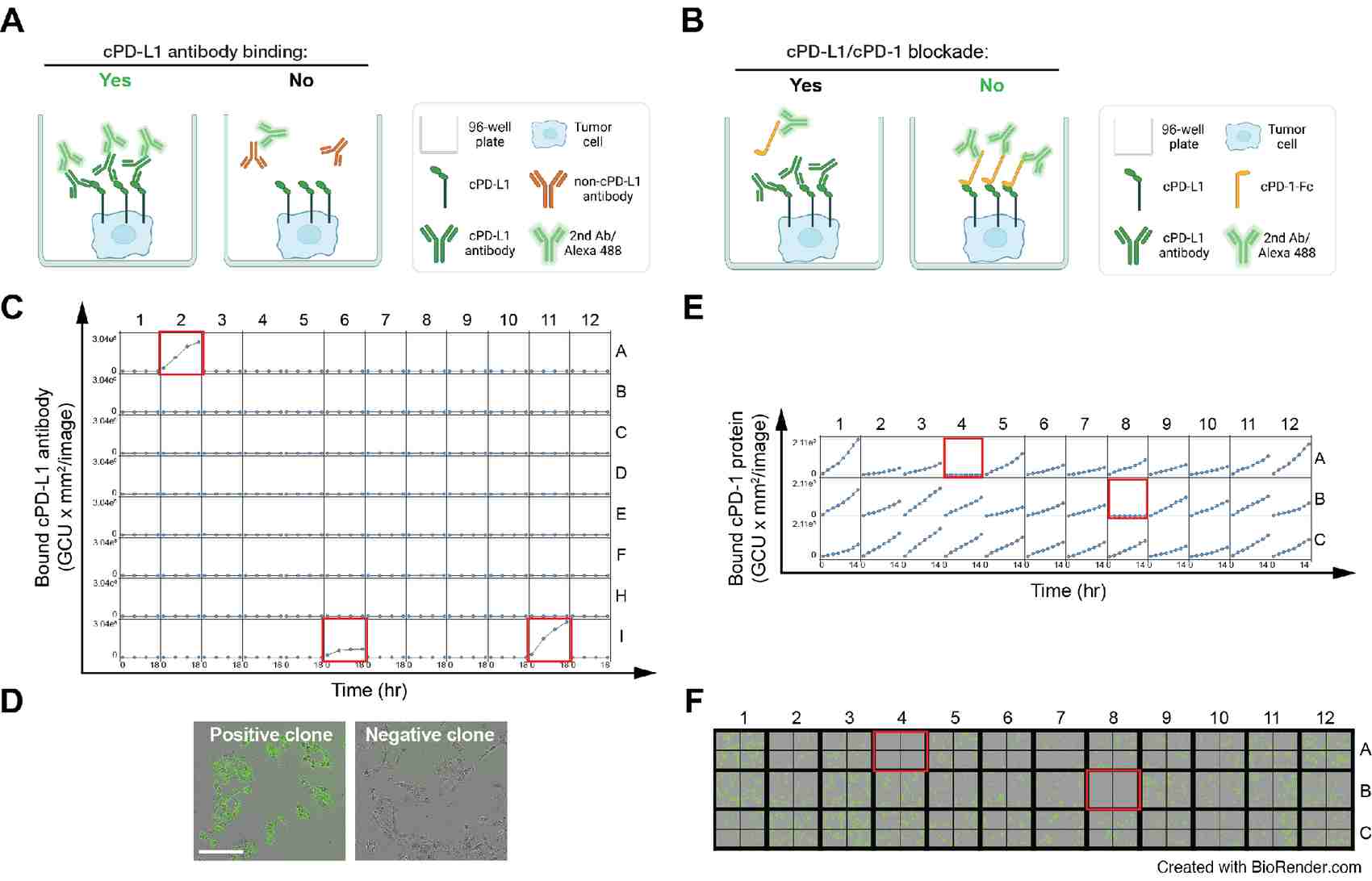 Fig 1. The high-throughput screening of PD-L1 therapeutic antibodies.1
Our Advantages
Partner with Creative Biolabs
The development of PD-1 and PD-L1 antibodies for veterinary oncology represents a rapidly growing frontier in companion animal health. Creative Biolabs is committed to supporting innovators in advancing this field with comprehensive, high-quality services. Whether you are at the discovery stage or preparing for preclinical validation, our expertise and resources can help translate your vision into clinical potential. Partner with us to unlock new opportunities in veterinary immuno-oncology, contact our team today to initiate a discussion about your PD-1/PD-L1 therapeutic program.
Reference
- Oh, Wonkyung et al. "Development of an Anti-canine PD-L1 Antibody and Caninized PD-L1 Mouse Model as Translational Research Tools for the Study of Immunotherapy in Humans." Cancer research communications vol. 3,5 860-873. 15 May. Distributed under Open Access license CC BY 4.0, without modification. 2023, https://doi.org/10.1158/2767-9764.CRC-22-0468