
Pet SIRPα/CD47 Axis Therapeutic Antibody Development
The landscape of veterinary oncology is continually evolving, with a growing demand for more targeted and effective treatments for companion animals. At Creative Biolabs, we are at the forefront of this revolution, specializing in the preclinical research and development of therapeutic antibodies that harness the power of the pet's own immune system. A particularly promising area of our focus is the SIRPα/CD47 axis, an innate immune checkpoint that offers a novel strategy for combating a range of cancers in dogs and cats. Our comprehensive R&D services are designed to support the development of innovative antibody therapies, from initial discovery to preclinical validation, empowering our partners to bring next-generation treatments to the veterinary market.
Platforms in Therapeutic Antibody Discovery
At Creative Biolabs, we provide a suite of advanced platforms to facilitate the discovery of highly specific and effective therapeutic antibodies for dogs and cats. Our state-of-the-art technologies are tailored to the unique immunological characteristics of each species.

- Phage Display: We utilize extensive canine and feline antibody libraries in our phage display platform. This powerful in vitro selection method allows for the rapid identification of high-affinity antibody fragments against the SIRPα/CD47 target.
- Single-B Cell Sorting: For projects requiring antibodies with naturally paired heavy and light chains, our single B-cell sorting platform is ideal. This technology allows for the isolation of individual antigen-specific B-cells from an immunized animal. By preserving the natural antibody repertoire, we can identify candidates with superior functional properties for downstream engineering and optimization.
- Hybridoma Technology: A classic and reliable method, hybridoma technology remains a cornerstone of monoclonal antibody production. We leverage this platform to generate stable hybridoma cell lines that continuously produce the desired antibody, providing a consistent source for further engineering, optimization, and characterization.
Comprehensive Antibody Development Services
Creative Biolabs offers a seamless and integrated suite of services to guide your therapeutic antibody from concept to preclinical proof-of-concept. Our expert team is dedicated to providing the support and data you need at every stage of development.
Antibody Characterization
We perform comprehensive in vitro assays to characterize the binding affinity, specificity, and functional activity of your antibody candidates. This critical step ensures that only the most promising antibodies with the desired biological effects move forward in the development pipeline.
Antibody Engineering
To ensure optimal safety and efficacy in the target species, we offer specialized antibody engineering services, including caninization and felinization. Through techniques like complementarity-determining region (CDR) grafting, we modify non-native antibodies to minimize their immunogenicity in dogs and cats while retaining their high binding affinity.
Preclinical Evaluation
We provide robust in vitro and in vivo models to assess the safety, pharmacokinetics, and efficacy of your therapeutic antibody.
Antibody Development
Our support extends to the crucial stages of scalable production and formulation. We can assist in developing a manufacturing process that is both efficient and compliant with regulatory standards, ensuring a smooth transition from research to clinical trials.

Why Focus on SIRPα / CD47 Axis?
CD47 is a protein that is often overexpressed on the surface of cancer cells in both dogs and cats. When CD47 on a tumor cell binds to the SIRPα receptor on macrophages (a type of white blood cell that engulfs and destroys cellular debris and pathogens), it sends a powerful inhibitory signal that prevents the macrophage from attacking the cancer cell. By developing therapeutic antibodies that block this interaction, we can effectively "unmask" the cancer cells, allowing the pet's immune system to recognize and eliminate them. The SIRPα/CD47 axis has been identified as a key therapeutic target in canine lymphoma and osteosarcoma, feline lymphoma and oral squamous cell carcinoma. Studies have shown that blocking this pathway can enhance the phagocytosis of these cancer cells, suggesting a promising new avenue for treatment.
Mechanism of Action
Therapeutic antibodies targeting the SIRPα/CD47 axis work by physically obstructing the interaction between these two proteins. By binding to either SIRPα on macrophages or CD47 on tumor cells, these antibodies prevent the "don't eat me" signal from being transmitted. This disinhibition allows the macrophages to recognize the cancer cells as foreign and initiate phagocytosis, the process of engulfing and digesting the malignant cells. This not only directly reduces the tumor burden but can also lead to the presentation of tumor antigens to the adaptive immune system, potentially stimulating a broader and more durable anti-cancer response.
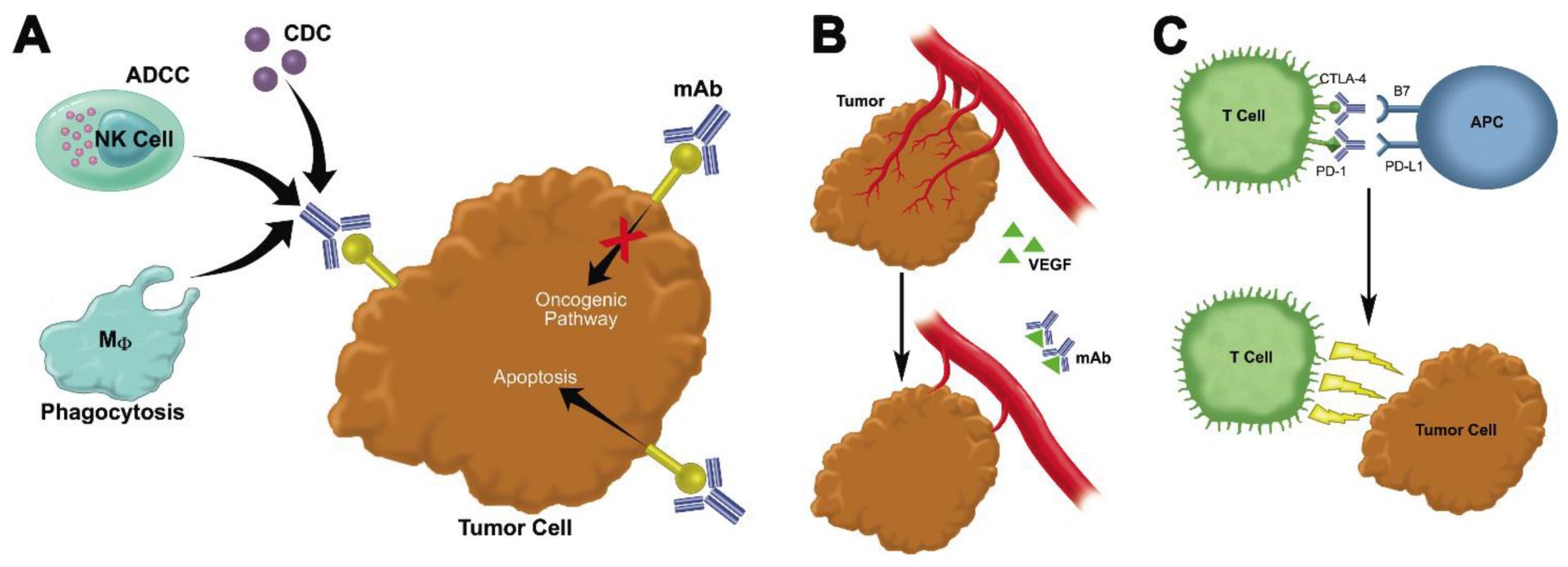 Fig 1. Mechanisms of targeting tumors using monoclonal antibodies.1
Our Advantages
Partner with Creative Biolabs
The development of therapeutic antibodies targeting the SIRPα/CD47 axis represents a paradigm shift in the treatment of cancer in companion animals. At Creative Biolabs, we are proud to be a driving force in this exciting field. We invite you to partner with us to unlock the full potential of your therapeutic antibody candidates and to make a lasting impact on the lives of pets and their families.
Reference
- Anderson, Katie L, and Jaime F Modiano. "Progress in Adaptive Immunotherapy for Cancer in Companion Animals: Success on the Path to a Cure." Veterinary sciences vol. 2,4 (2015): 363-387. Distributed under Open Access license CC BY 4.0, without modification. https://doi.org/10.3390/vetsci2040363