
Pet TGF-β Therapeutic Antibody Development
Chronic inflammatory diseases represent a significant challenge in veterinary medicine, impacting the quality of life for countless dogs and cats. Conditions ranging from inflammatory bowel disease (IBD) to debilitating arthritis are often driven by a complex interplay of immune factors. While existing therapies have offered relief, there remains a critical need for innovative treatments that target the root causes of inflammation. At Creative Biolabs, we are dedicated to exploring novel therapeutic avenues, focusing on the development of specialized antibodies that can modulate the immune response in companion animals. One such promising but underexplored target is Tumor Necrosis Factor-beta (TNF-β).
Platforms in Therapeutic Antibody Discovery
The foundation of a successful therapeutic antibody lies in its discovery. At Creative Biolabs, we provide comprehensive R&D services built upon advanced canine and feline therapeutic antibody discovery platforms. Each platform offers unique advantages, ensuring a tailored approach to your research goals. How can these sophisticated technologies accelerate your journey from target identification to a viable therapeutic candidate?

- Phage Display: This versatile platform enables the rapid screening of vast combinatorial libraries to identify high-affinity antibodies. It facilitates the selection of candidates with optimal binding properties against canine or feline TNF-β, significantly shortening the initial discovery phase.
- Single-B Cell Sorting: To capture the natural efficacy of the immune system, this technology isolates individual, antigen-specific B cells from immunized animals. This preserves naturally paired heavy and light antibody chains, often resulting in candidates with superior functionality and stability for downstream engenieering and optimization.
- Hybridoma Technology: A cornerstone of monoclonal antibody discovery, this reliable method provides a stable and continuous source of high-quality antibodies. This consistency is crucial for thorough downstream development, characterization, and evaluation.
Comprehensive Antibody Development Services
Our integrated service offerings ensure a smooth transition from antibody discovery to preclinical evaluation, streamlining the entire development pipeline.
Antibody Characterization
We meticulously evaluate the binding affinity, specificity, and functional activity of each candidate. This rigorous process ensures that only the most promising antibodies advance, saving valuable time and resources.
Antibody Engineering
To maximize therapeutic potential, our experts optimize antibodies for enhanced stability, reduced immunogenicity in dogs and cats, and improved efficacy.
Preclinical Evaluation
Creative Biolabs conducts comprehensive in vitro and in vivo studies in relevant species to assess safety, pharmacokinetics, and efficacy, providing the robust data package necessary for data-driven decisions.
Antibody Development
We support your project through scalable production, formulation development, and preparation of documentation for regulatory review, ensuring your project is well-positioned for later-stage studies.

Why Focus on TNF-β?

TNF-β, also known as lymphotoxin-alpha, is a pro-inflammatory cytokine that plays a pivotal role in mediating immune responses. While essential for host defense, its dysregulation is implicated in chronic inflammation and autoimmune disorders. It shares functional pathways with the well-established target TNF-α, but targeting TNF-β may offer a more nuanced approach for specific conditions. Elevated levels of pro-inflammatory cytokines contribute to conditions like inflammatory bowel disease (IBD), rheumatoid arthritis, Feline chronic gingivostomatitis (FCGS) and other inflammatory disorders are driven by a persistent, painful immune response. Exploring TNF-β as a target could unlock new therapeutic strategies for these complex diseases.
Mechanism of Action
Therapeutic antibodies designed to target TNF-β function by binding to and neutralizing the cytokine in circulation. This action prevents TNF-β from interacting with its receptors (TNFR1 and TNFR2) on the surface of target cells. By blocking this interaction, the antibody effectively interrupts the downstream pro-inflammatory signaling cascades, such as NF-κB activation. This blockade reduces the production of other inflammatory molecules, limits the recruitment of immune cells to sites of inflammation, and ultimately mitigates tissue damage. This precise mechanism allows for the targeted suppression of pathological inflammation, helping to alleviate clinical symptoms and halt disease progression in dogs and cats.
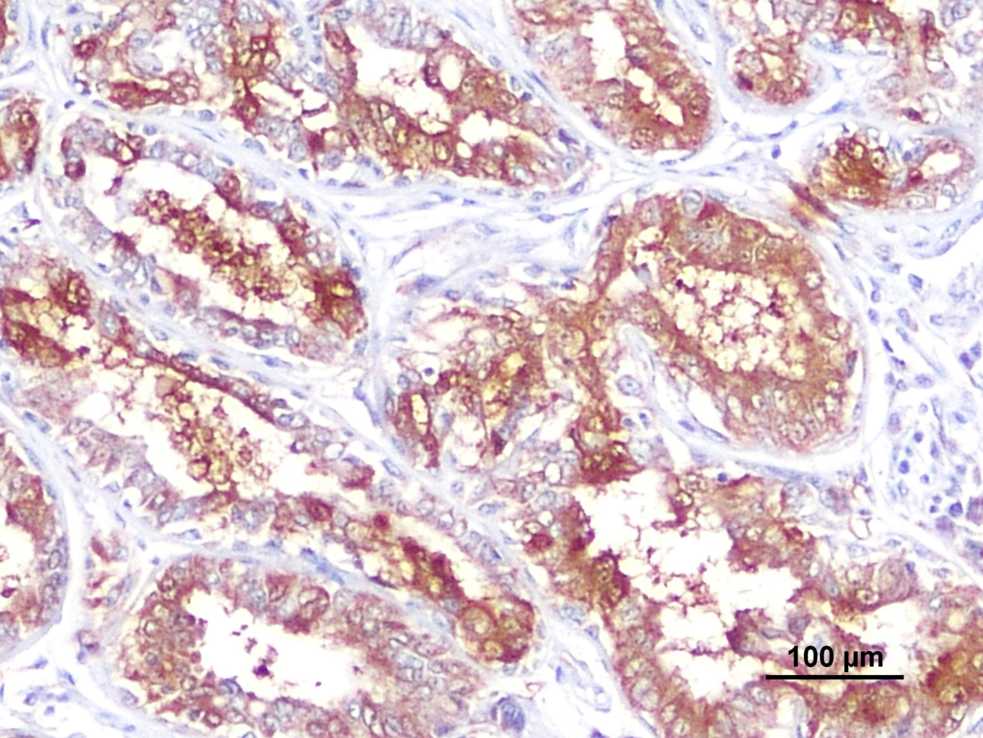 Fig 1. Tubulopapillary carcinoma with high expression of TGFβ.1
Our Advantages
Partner with Creative Biolabs
Creative Biolabs is committed to advancing veterinary medicine through the creation of innovative therapeutic antibodies. Whether your goal is to develop a first-in-class TNF-β-targeting therapy or to explore other novel targets, we provide the expertise, platforms, and end-to-end support to bring your project from concept to preclinical proof-of-concept. Partner with Creative Biolabs to deliver cutting-edge therapies that can transform the treatment of inflammatory diseases in companion animals.
Ready to explore how we can support your therapeutic antibody development program? Request a consultation with our experts today.
Reference
- Carvalho, Maria Isabel et al. "TGFβ in malignant canine mammary tumors: relation with angiogenesis, immunologic markers and prognostic role." The veterinary quarterly vol. 44,1 (2024): 1-12. Distributed under Open Access license CC BY 4.0, without modification. https://doi.org/10.1080/01652176.2024.2390941