
Pet VEGF Therapeutic Antibody Development
Vascular Endothelial Growth Factor (VEGF) is a critical signaling protein that regulates angiogenesis—the formation of new blood vessels. While VEGF plays a vital role in normal physiological processes, its overexpression is associated with tumor progression, ocular diseases, and chronic inflammatory conditions in companion animals. Targeting VEGF with monoclonal antibodies has already proven transformative in human medicine, and similar breakthroughs are now being extended to veterinary healthcare. At Creative Biolabs, we specialize in advancing therapeutic antibody development for companion animals, with a particular focus on anti-VEGF biologics for canine and feline applications. Our integrated contract research organization platform offers comprehensive R&D services to accelerate the discovery, optimization, and preclinical evaluation of VEGF-targeted monoclonal antibodies.
Expertise in Therapeutic Antibody Discovery
Developing safe and effective VEGF-targeted therapies requires deep knowledge of veterinary immunology and cutting-edge discovery platforms. We leverage three complementary technologies to ensure flexibility and high success rates:

- Phage Display: A robust platform for identifying high-affinity antibody candidates from large libraries, enabling precise selection against VEGF epitopes.
- Single-B Cell Sorting: A powerful approach for isolating naturally occurring, species-specific antibodies directly from immune repertoires, ensuring functional relevance in dogs and cats.
- Hybridoma Technology: A proven method to generate stable monoclonal antibody-producing cell lines, suitable for downstream development and engineering.
This multi-platform approach allows us to tailor discovery strategies to your program needs, ensuring a pipeline of diverse candidates for VEGF inhibition.
Comprehensive Antibody Development Services
Our CRO provides end-to-end support across the antibody development continuum. By integrating these services under one roof, we streamline VEGF antibody programs from concept to preclinical proof-of-concept.
Antibody Characterization
- Binding affinity, specificity, and functional assays against canine or feline VEGF.
- In vitro validation to confirm biological activity and mechanism of action.
Antibody Engineering
- Species-specific reformatting and Fc engineering to enhance safety, efficacy, and half-life.
- Optimization for manufacturability and reduced immunogenicity.
Preclinical Evaluation
- In vitro cell-based assays and ex vivo studies for efficacy assessment.
- Veterinary-relevant animal models for safety and pharmacokinetics.

Antibody Development
- Process development, expression optimization, and early-scale production to support preclinical research.
Why Focus on VEGF?

VEGF-targeted antibodies hold enormous promise for managing diseases in companion animals. In oncology, blocking VEGF may reduce tumor vascularization and growth, offering new treatment options for canine cancers such as mast cell tumors or osteosarcoma. In ophthalmology, anti-VEGF biologics have the potential to address retinal diseases that threaten feline vision. Furthermore, their role in modulating chronic inflammation may unlock therapeutic solutions across multiple disease areas. With rising demand for advanced biologics in veterinary medicine, the development of species-specific anti-VEGF antibodies represents an exciting frontier. Our scientific team combines veterinary expertise with state-of-the-art biotherapeutics technologies to help partners deliver innovative therapies to the clinic faster.
Mechanism of Action
Therapeutic antibodies targeting VEGF function by binding to VEGF ligands or receptors, preventing them from activating downstream angiogenic pathways. By neutralizing VEGF activity, these antibodies block the formation of new blood vessels that tumors and diseased tissues rely on for oxygen and nutrients. The result is inhibition of tumor growth, reduced metastatic potential, and mitigation of pathological vascularization in affected organs. In addition to their role in oncology, VEGF inhibitors also show potential in controlling inflammatory and degenerative ocular diseases by suppressing aberrant vascular invasion. This precise mechanism of action makes VEGF-targeted antibodies a promising therapeutic strategy for both dogs and cats.
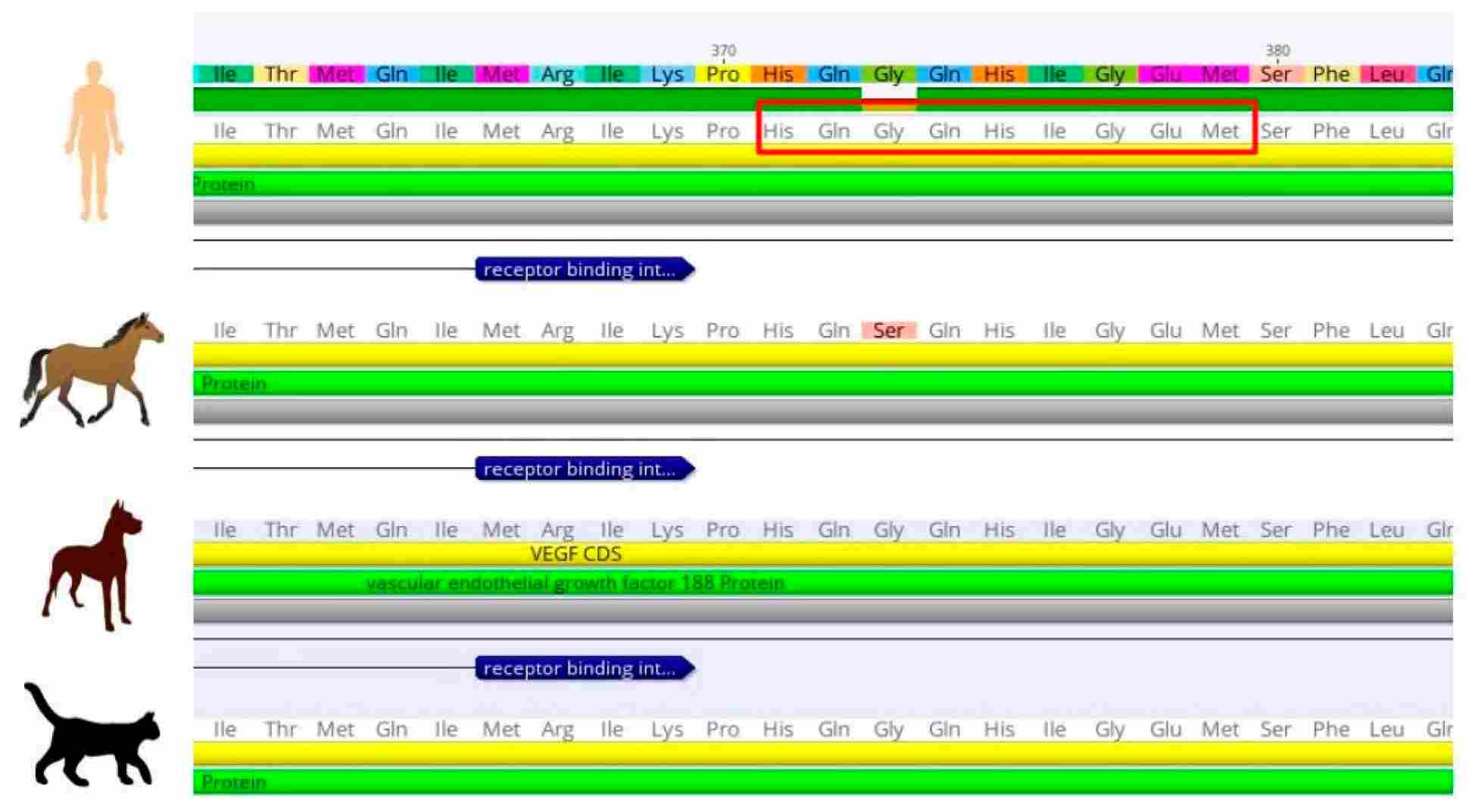 Fig 1. Sequences of VEGFs from different mammalian species.1
Our Advantages
Partner with Creative Biolabs
Creative Biolabs are committed to accelerating the future of veterinary biologics. Our pet VEGF therapeutic antibody development services empower pharmaceutical and biotech partners to explore new therapeutic avenues for dogs and cats, ensuring both scientific rigor and translational relevance.
Whether you are initiating discovery or advancing toward preclinical evaluation, our experienced team and integrated platforms are ready to support your program. Together, we can pioneer next-generation anti-VEGF therapies that improve the health and quality of life of companion animals worldwide.
Reference
- Cardama, Georgina A et al. "In Silico and In Vitro Evaluation of Bevacizumab Biosimilar MB02 as an Antitumor Agent in Canine Mammary Carcinoma." Animals : an open access journal from MDPI vol. 13,15 2507. 3 Aug. 2023. Distributed under Open Access license CC BY 4.0, without modification. https://doi.org/10.3390/ani13152507