
Fc Engineering Service for Veterinary (Pet) Antibody

Tune canine and feline antibody effector activity, Fc receptor engagement, complement activation, serum persistence, and immune-silencing profiles through species-aware Fc design, expression, comparative testing, and candidate selection coordinated by Creative Biolabs.

Service Introduction

Control Fc-Mediated Biology Without Redesigning Antigen Recognition

The Fc domain connects target recognition to immune recruitment, complement activation, molecular recycling, and systemic exposure. A veterinary antibody with excellent variable-region binding may still require adjustment when its native constant region produces insufficient cytotoxicity, excessive inflammatory signaling, limited persistence, or poor compatibility with the intended animal species.

Creative Biolabs designs and compares Fc variants for canine, feline, and other veterinary research programs. Mutagenesis, glycoengineering, domain selection, species-matched expression, and functional assays are combined around a defined mechanism of action. Antigen binding is checked alongside Fc behavior so the resulting lead is supported by an interpretable balance of activity, stability, expression quality, and downstream study readiness.

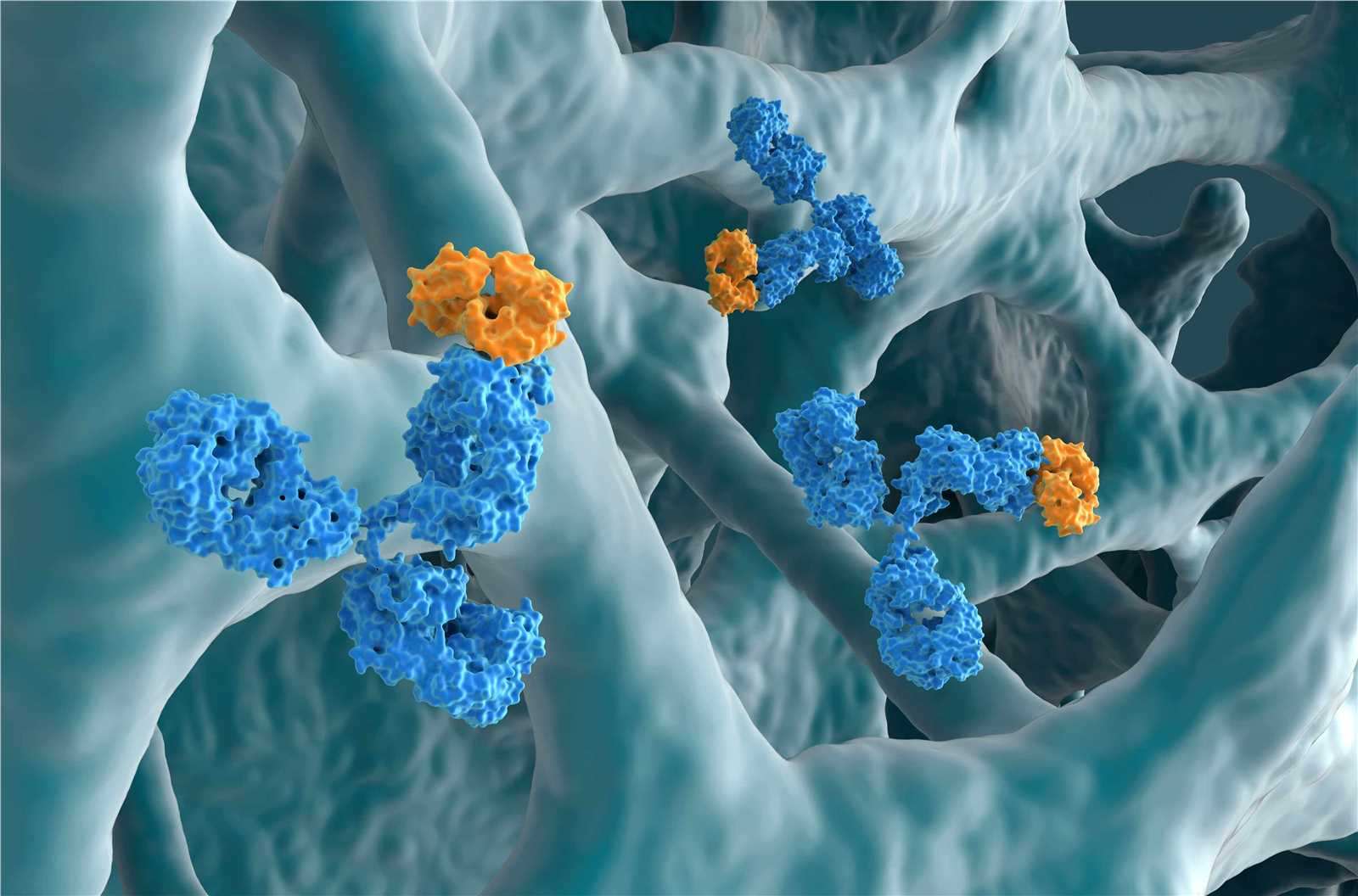
Veterinary antibody Fc engineering concept for companion animal biologics
ActivateIncrease selected Fcγ receptor or complement engagement when immune-cell recruitment is required.
SilenceReduce unwanted Fc signaling for blocking, agonistic, or non-cytotoxic antibody mechanisms.
ExtendOptimize FcRn interaction and molecular quality for a longer-exposure development strategy.
Fc Engineering Services

Engineering Modules Matched to Veterinary Antibody Function

Modules can be commissioned individually or combined into a comparative variant campaign with shared expression, quality control, binding confirmation, and species-relevant functional testing.

Fc Glycoengineering

Adjust Fc-associated glycan profiles, including afucosylation strategies, to investigate altered Fcγ receptor engagement and ADCC potential. Expression host, glycan analysis, target biology, and species-matched assay design are considered together because glycan-dependent effects must be interpreted in the intended veterinary context.
Fc Receptor Engineering

Introduce rational or structure-guided substitutions to increase, decrease, or rebalance interactions with activating and inhibitory Fcγ receptors. Variant panels can be screened by SPR, BLI, receptor-binding assays, and cell-based readouts to identify changes that support the required immune mechanism.

FcRn and Half-Life Engineering

Design Fc substitutions intended to alter pH-dependent interaction with the neonatal Fc receptor. Binding at acidic and neutral conditions, expression quality, stability, and antigen recognition are assessed before a candidate is considered for more advanced pharmacokinetic evaluation.

Fc Domain Swapping

Compare species-specific constant regions or isotype-derived Fc domains while maintaining the parental variable regions. This approach supports direct evaluation of effector-function, receptor-binding, purification, and stability differences attributable to the Fc background.

Fc Silencing

Apply substitutions designed to reduce Fcγ receptor and C1q binding when immune-cell depletion or complement activation would conflict with the antibody mechanism. Confirmation includes antigen-binding retention and fit-for-purpose receptor or functional assays.

Customized Fc Variant Strategy

Combine sequence review, computational assessment, literature-supported mutation selection, and empirical comparison for targets that require more than a standard enhancement or silencing design. Project-specific controls enable meaningful ranking against the parental antibody.

Workflow

A Six-Stage Fc Variant Design and Validation Workflow

A structured program connects Fc design choices with species context, material quality, functional evidence, and clear lead-selection criteria.

Step 1

Define the Fc Functional Objective

Align the engineering plan with the antibody mechanism and veterinary indication. We clarify whether the program should enhance ADCC, CDC, or ADCP, reduce Fc-mediated activity, improve FcRn-dependent persistence, or rebalance immune engagement in the target species.

Step 2

Design Species-Aware Fc Variants

Review the parental sequence and select rational, structure-guided, glycan, domain-swap, or silencing strategies. Candidate substitutions are prioritized against canine, feline, or other species-specific Fc receptor, complement, and FcRn biology.

Step 3

Construct, Express, and Qualify Variants

Selected Fc designs are introduced into the full-length antibody format and expressed in a suitable mammalian system. Purified variants undergo identity, purity, aggregation, yield, and binding checks before functional comparison.

Step 4

Profile Fc-Mediated Function In Vitro

Compare engineered candidates using fit-for-purpose receptor-binding and functional assays, which may include FcγR, C1q, FcRn, ADCC, CDC, or ADCP readouts. Antigen binding is tracked in parallel to confirm that Fc optimization preserves target recognition.

Step 5

Rank and Validate Lead Candidates

Prioritized variants are assessed across functional performance, reproducibility, stability, expression quality, and species relevance. The strongest candidates can move into additional characterization or optional veterinary in vivo evaluation when required.

Step 6

Report Results and Plan the Next Stage

Receive an integrated package summarizing Fc modifications, production and QC results, assay comparisons, and lead-ranking rationale. Downstream support can extend to scale-up production, caninization or felinization, developability work, and therapeutic efficacy studies.

Program focus: each stage is tied to the intended Fc biology and target species so sequence changes, material quality, functional readouts, and downstream development decisions remain connected.

Begin with the parental sequence and desired Fc outcome

We can configure a focused mutation study or a broader comparative Fc program after reviewing species, mechanism, available data, and required deliverables.

Peer-Reviewed Canine Fc Evidence

Published Data Demonstrating Canine FcγRI Engagement and Immune-Cell Activation

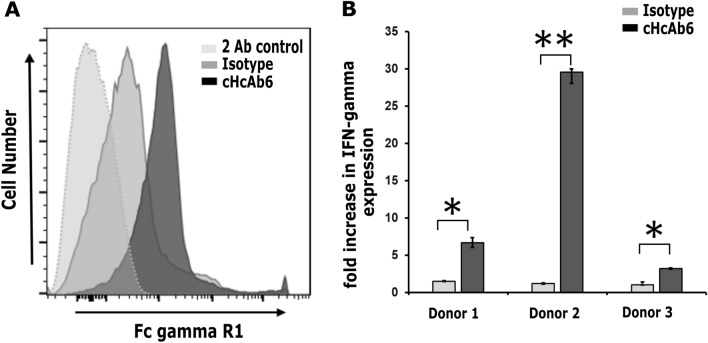
Marable et al. engineered anti-canine CTLA4 heavy-chain antibodies by fusing nanobody sequences to the Fc domain of canine IgG subclass B. The figure shows selective binding of the Fc-containing construct to canine FcγRI-expressing cells and increased IFN-γ expression in stimulated canine PBMCs, directly illustrating that an engineered canine Fc can be evaluated through receptor-specific and cell-based functional readouts.

The study connects Fc sequence choice, recombinant expression, receptor engagement, and functional testing—the same evidence chain used to compare Fc-engineered veterinary antibodies. Creative Biolabs can design Fc variants, produce matched constructs, verify retained antigen binding, and evaluate Fcγ receptor, complement, FcRn, or effector-cell responses according to the intended mechanism and animal species.

Canine Fc-containing antibody binding to Fc gamma receptor I and stimulating PBMC responses. (OA Literature)
Fig.1 Canine FcγRI binding and PBMC activation by a canine Fc-containing chimeric antibody.1,2
Why Choose Us?

Service Advantages for Veterinary Fc Engineering

Design and testing are connected around species biology, measurable function, and transparent candidate decisions.

Species-Aware DesignFc choices reflect canine, feline, or other veterinary receptor biology.
Integrated Variant ProductionDesign, cloning, expression, purification, and QC stay within one workflow.
Orthogonal Functional EvidenceReceptor-binding and cell-based assays support interpretable Fc decisions.
Flexible Project ScaleFocused variants or broader panels align with budget and evidence needs.
Frequently Asked Questions

Veterinary Antibody Fc Engineering FAQs

The choice follows the mechanism of action. Oncology programs may require stronger Fcγ receptor engagement or cytotoxic effector activity, whereas blocking or agonistic antibodies may require Fc silencing. Programs focused on exposure may prioritize FcRn interaction. We review the target, species, parental sequence, desired biology, and available assays before proposing variants.
Species-specific constant-region sequences, receptor biology, complement context, and available effector-cell systems inform design and assay selection. When direct data are limited, we separate sequence-based hypotheses from empirical results and recommend receptor-binding or functional experiments that can resolve the project-specific decision.
The variable domains are generally retained, but every engineered molecule should still be checked because construct context, expression quality, aggregation, or structural effects can influence apparent binding. We compare engineered variants with the parental antibody using fit-for-purpose binding assays before advancing a lead.
Options include antigen binding, Fcγ receptor and FcRn binding by SPR or BLI, C1q interaction, ADCC, CDC, ADCP, purity, aggregation, thermal stability, and expression-yield comparison. The final panel depends on the intended Fc outcome, target species, candidate format, and material availability.
Useful inputs include heavy- and light-chain sequences, current isotype and species, target and mechanism, available binding or functional data, preferred expression format, desired Fc activity, reference controls, and downstream study plans. If the optimal strategy is uncertain, the consultation can begin with the mechanism and existing antibody data.

References

  1. Marable, Jonathan, et al. "Nanobody-based CTLA4 inhibitors for immune checkpoint blockade therapy of canine cancer patients." Scientific Reports 11 (2021): 20763. https://doi.org/10.1038/s41598-021-00325-3
  2. Distributed under Open Access license CC BY 4.0, without modification.

This site is protected by reCAPTCHA and the Google Privacy Policy and Terms of Service apply.