
Premade Phage Display Libraries for Faster Pet Antibody Discovery
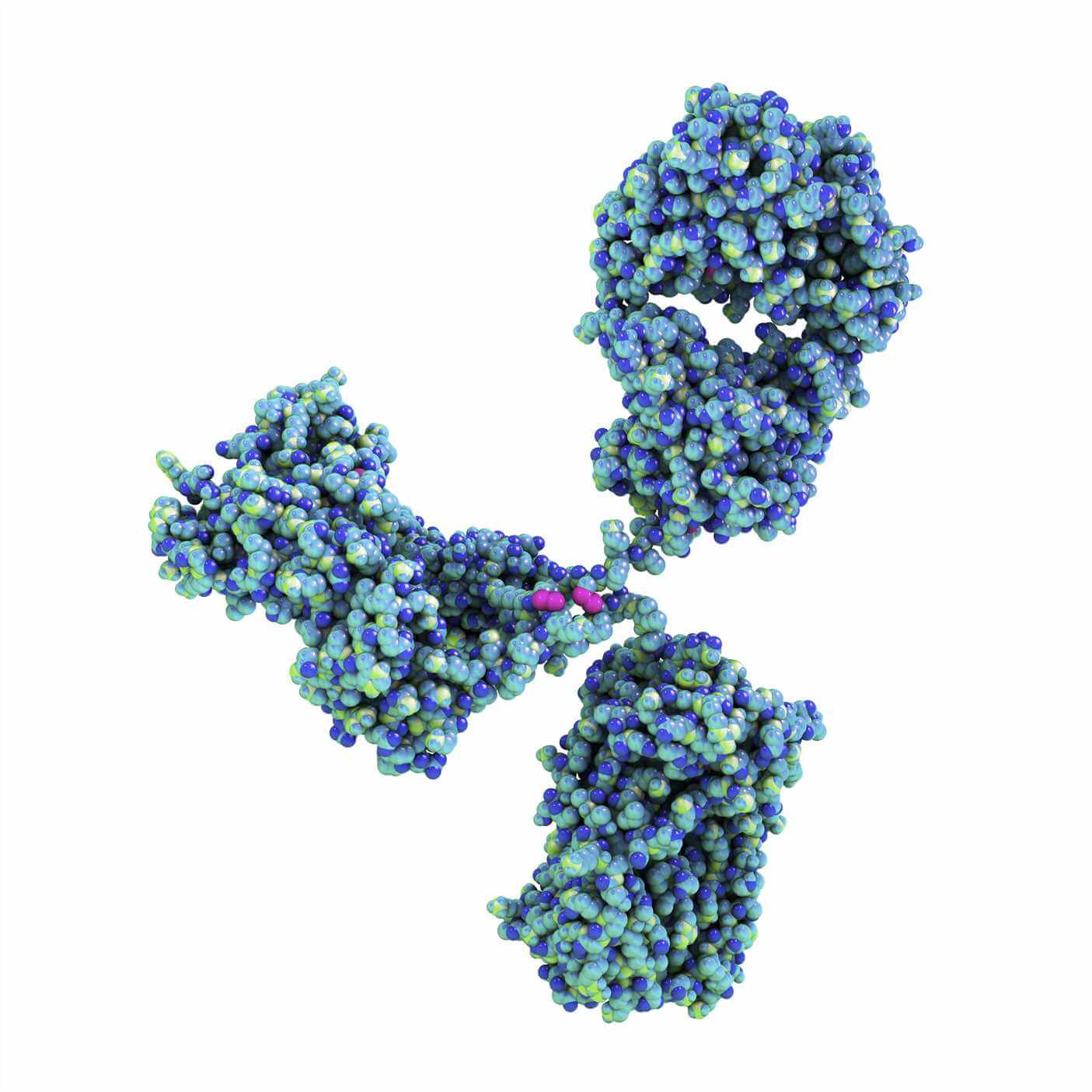
Premade library screening uses established, quality-controlled collections of antibody fragments displayed on bacteriophages. Instead of constructing a new library for every project, an appropriate canine or feline library can move directly into target-specific selection. Billions of diverse scFv or Fab variants create a broad starting repertoire while reducing the setup work that precedes biopanning.
Creative Biolabs combines species-focused library selection with customized positive selection, depletion, clone screening, and sequence analysis. The service is designed to generate confirmed, nonredundant binders for veterinary therapeutic or diagnostic research while keeping the workflow compatible with downstream affinity assessment, reformatting, engineering, and functional evaluation.
A Screening Strategy Built Around Your Antigen and Selection Goals
Premade does not mean one-size-fits-all. Library choice, antigen presentation, negative selection, elution pressure, and clone-screening criteria are adapted to the biology and decision needs of each project.
Library and Antigen Strategy
We review the target sequence, antigen source, structural presentation, purity, concentration, and assay constraints before screening. The project plan defines a suitable premade library, immobilization or capture method, controls, counter-targets, and selection stringency. Early alignment helps avoid enrichment toward tags, carriers, abundant contaminants, or irrelevant conformations and creates a clearer path from phage pools to useful antibody fragments.
Customized Biopanning and Enrichment
Multiple rounds of affinity selection progressively enrich phage particles that display target-binding antibody fragments. Depending on the project, the workflow may incorporate solution or solid-phase panning, alternating antigen formats, depletion against related molecules, off-rate selection, or adjusted washing and elution conditions. Enrichment is monitored between rounds so screening can proceed from a pool with meaningful target-specific signal.
Hit Confirmation, Sequencing, and Early Characterization
Individual clones are recovered from enriched pools and tested by phage ELISA or another fit-for-purpose binding assay. Positive clones are sequenced to identify unique VH/VL combinations and remove redundant hits. Selected binders can be produced as soluble fragments for orthogonal binding confirmation, preliminary affinity ranking, specificity analysis, or conversion into a downstream canine or feline antibody format.
From Antigen Review to Unique Antibody Fragment Sequences
The original biopanning scheme is translated below into a stage-gated service workflow. Each stage produces a defined output that informs the next screening decision, without relying on the previous workflow image.
| Workflow Stage | What We Do | Representative Outcome | Decision Point |
|---|---|---|---|
| Project Consultation and Antigen QC | Review target biology, antigen format, purity, concentration, controls, counter-targets, and assay requirements. | Agreed screening strategy and qualified starting material. | Is the antigen ready and appropriately presented? |
| Panning the Premade Library | Perform iterative selection with project-specific washing, depletion, and elution conditions. | Enriched phage pools displaying target-binding fragments. | Does enrichment support clone-level screening? |
| Hit Identification and Primary Screening | Isolate individual clones and test binding using phage ELISA or a comparable assay. | Confirmed target-binding phage clones with nonspecific hits removed. | Which clones show reproducible, selective binding? |
| Sequence Analysis and Uniqueness Assessment | Sequence positive inserts and compare VH/VL or full fragment sequences for diversity. | Nonredundant scFv or Fab sequence panel. | Which sequence families should advance? |
| Preliminary Binder Characterization | Express selected soluble fragments and perform agreed binding, ranking, or specificity assays. | Early data supporting lead prioritization and downstream planning. | Which binders warrant engineering or deeper characterization? |
Recommended Starting Materials
- High-quality purified protein, peptide, or other target antigen
- Target sequence, source, construct, tag, and formulation details
- Known homologs, off-targets, or counter-selection molecules
- Desired canine or feline species context
- Preferred fragment format and downstream antibody format
- Required binding, specificity, or functional criteria
Typical Deliverables
- Customized library-screening and biopanning plan
- Enrichment and primary clone-screening data
- Confirmed unique antibody fragment sequences
- DNA and translated amino acid sequence files
- Optional soluble-fragment characterization results
- Final service report and recommended next steps
Not sure whether a premade or custom library is the better route?
Share your antigen, target class, species context, and desired deliverables. Our team can assess screening feasibility and recommend an efficient discovery path.

Identifying Canine-Specific Binders Against a Conserved Inflammatory Target
An internal R&D project applied a premade canine antibody library to a highly conserved canine inflammatory mediator—a target context in which specificity and useful sequence diversity can be difficult to obtain. The screening plan combined antigen review, iterative selection, clone-level binding confirmation, and sequence analysis to distinguish genuine target binders from redundant or nonspecific clones.
Within approximately six weeks, the workflow identified multiple canine-specific antibody fragments with strong binding signals and favorable early developability characteristics. The result demonstrated how a ready-to-screen library can shorten the route to a diversified hit panel while preserving opportunities for downstream reformatting, affinity analysis, functional testing, and antibody engineering.
- Multiple nonredundant canine-specific antibody fragments recovered
- Hit identification completed on an accelerated screening schedule
- Sequences positioned for characterization and engineering follow-up
Species-Focused Libraries and Decision-Oriented Screening Support
Creative Biolabs integrates validated library resources, adaptable selection design, sequence-level analysis, and downstream antibody capabilities to keep veterinary discovery programs technically connected.
Ready-to-Screen Diversity
Validated libraries remove construction lead time and support rapid target-specific selection.
Canine and Feline Context
Species-focused repertoires improve alignment with veterinary antibody format requirements.
Tailored Selection Design
Positive, negative, and competitive selection pressures reflect each target's biology.
Connected Downstream Services
Characterization and engineering can continue from the same documented hit panel.
Premade Library Screening FAQs
Partner with Creative Biolabs
Move from a veterinary target to a sequence-defined antibody fragment panel through a coordinated premade library screening program. Creative Biolabs can connect hit discovery with characterization, species-compatible reformatting, and engineering according to your research plan.
Reference
- Alfaleh, Mohamed A., et al. "Phage Display Derived Monoclonal Antibodies: From Bench to Bedside." Frontiers in Immunology 11 (2020): 1986. https://doi.org/10.3389/fimmu.2020.01986