With over ten years of expertise and state-of-the-art platforms, Creative Biolabs provides complete solutions for diagnostic projects through its specialized knowledge in single-domain antibody (sdAb) development. Our team of veteran scientists utilizes the potent biomarker detection capabilities of sdAbs to expedite target-specific sdAb identification for cancer research applications that aid in early screening and monitoring while supplying clients with superior diagnostic instruments.
Diagnostic SdAb Development Platform
Creative Biolabs uses a diagnostic sdAb development platform, which exploits camel-derived sdAbs as they offer high abundance in camels along with a rich germline and enhanced stability through extra disulfide bonds while presenting low human immunogenicity to generate highly specific and strong target binders. The superior affinity and stability of camelid-derived sdAbs allow for enhanced assay sensitivity in early disease detection through precise and reliable in vivo imaging and in vitro detection. The combination of our extensive camel naïve sdAb library, containing 109 to 1010 individual clones with over 80% VHH, and our team's specialized knowledge speeds up the creation of diagnostic sdAbs.
Advantages of SdAb as Diagnostic Reagents
High similarity to human antibody and weakly immunogenic in humans.
Small size for easy and rapid tissue penetration, pass through blood-brain barrier, and bind intracellular antigens.
Rapidly clear via the kidney and decrease background labels.
Highly stable and soluble, even under denaturing conditions or high temperatures.
Recognize a variety of epitope types, from small haptens to the enzymes.
Ease of modification/conjugation and efficiently functionalized for imaging.
Comprehensive procedures and detailed experimental data.
Advanced diagnostic sdAb platform.
Experienced professional team.
Fully configurable design to meet any specific requirement.
Fast turnaround time.
Reliable laboratory reports with prompt updating.
Affordable price with the highest quality.
Partner with Creative Biolabs to unlock the full potential of our diagnostic sdAb platform and accelerate your journey from discovery to development. Our team of experts is dedicated to providing comprehensive support at every stage
of the antibody discovery process that meets your particular needs. Please feel free to contact us for more details.
Case Study
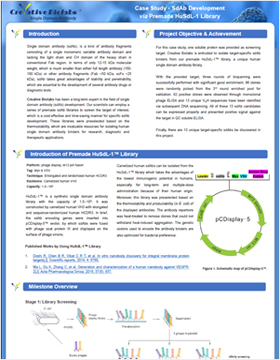
In this project, a protein was used as an antigen and screening target, and a premade single domain antibody library was used to screen for specific single domain antibody (sdAb) binding proteins. Finally, 29 unique targeted monoclonal antibodies were obtained.
Figure 1. Flow diagram of phage display-based screening.
Based on the project details, we can customize a unique library screening strategy. For a typical screening process, pre-adsorption is performed before each round of screening to remove as much non-specific binders as possible.
Figure 2. Process monitoring of library screening stage.
This project adopted a solid phase screening strategy. After three rounds of bio-panning, no significant enrichment of the target was observed, and the difference between the two groups was small.
Figure 3. Summary of monoclonal phage ELISA of the randomly picked clones and DNA sequencing.
After the biopanning, we performed the monoclonal phage ELISA and obtained 31 positive clones. And then processed for DNA sequencing. Finally, 29 unique clones were identified.
Case Study
In this project, a protein was used as an antigen and screening target, and a premade single domain antibody library was used to screen for specific single domain antibody (sdAb) binding proteins. Finally, 29 unique targeted monoclonal antibodies were obtained.
Figure 1. Flow diagram of phage display-based screening.
Based on the project details, we can customize a unique library screening strategy. For a typical screening process, pre-adsorption is performed before each round of screening to remove as much non-specific binders as possible.
Figure 2. Process monitoring of library screening stage.
This project adopted a solid phase screening strategy. After three rounds of bio-panning, no significant enrichment of the target was observed, and the difference between the two groups was small.
Figure 3. Summary of monoclonal phage ELISA of the randomly picked clones and DNA sequencing.
After the biopanning, we performed the monoclonal phage ELISA and obtained 31 positive clones. And then processed for DNA sequencing. Finally, 29 unique clones were identified.

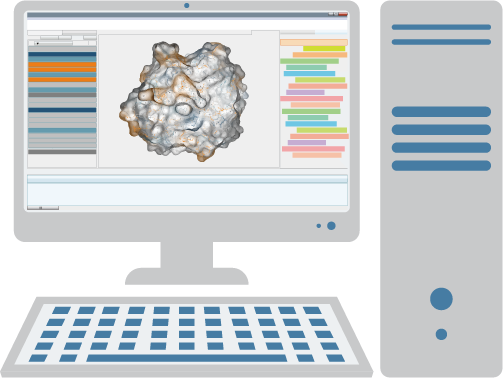
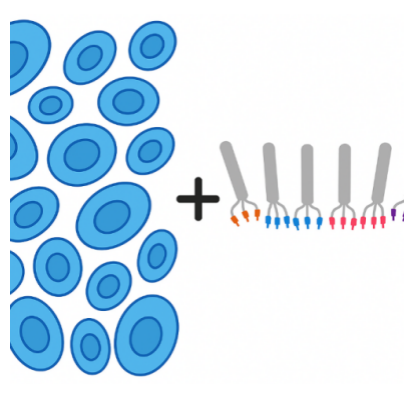
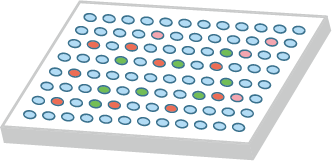

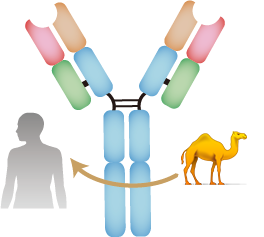


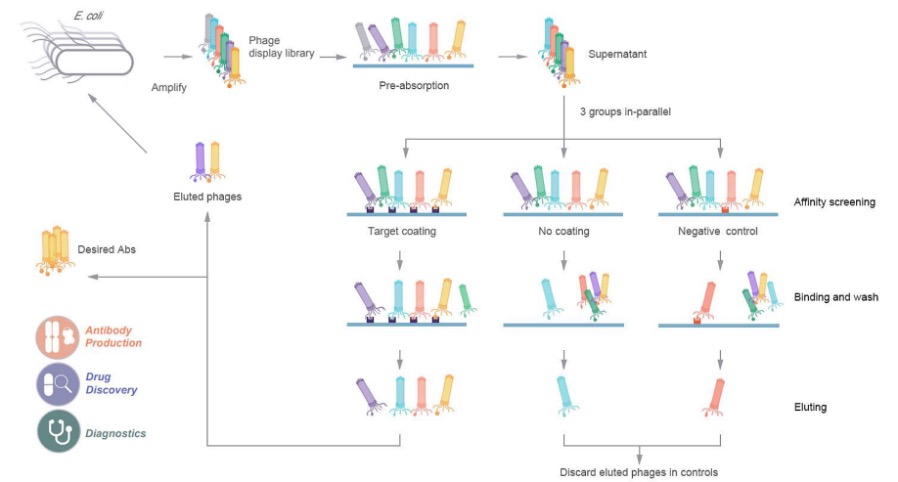 Figure 1. Flow diagram of phage display-based screening.
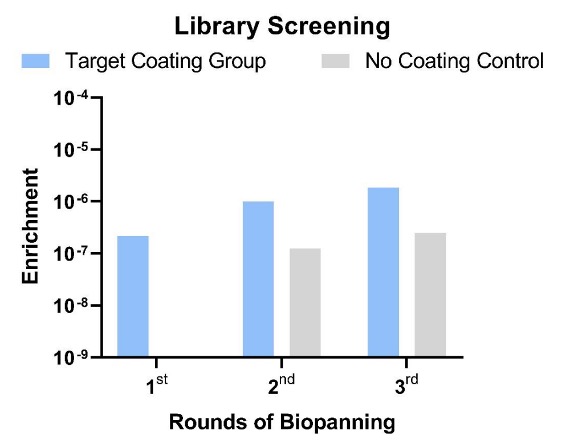 Figure 2. Process monitoring of library screening stage.
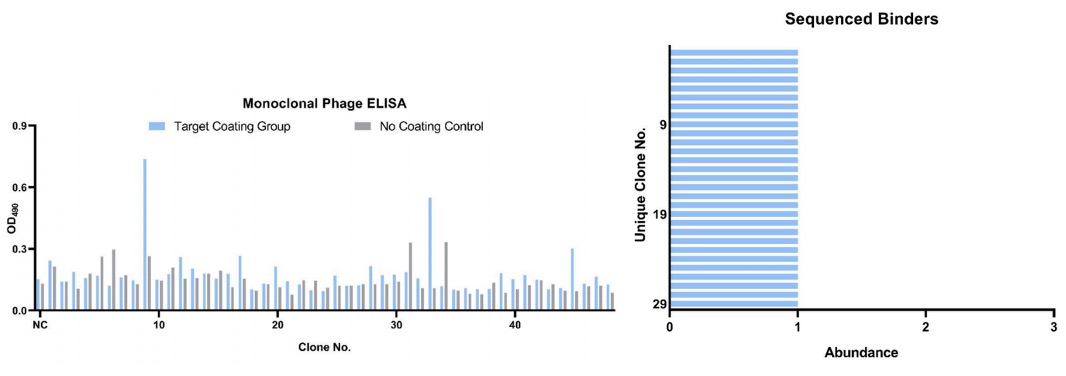 Figure 3. Summary of monoclonal phage ELISA of the randomly picked clones and DNA sequencing.