Advanced Organoid Model Products
Introduction Advantages Supported Tissue Systems Applications FAQsContact
Introduction
Advanced organoid models represent a paradigm shift in biomedical research, bridging the critical gap between traditional 2D cell lines and clinical outcomes. These self-organizing, three-dimensional structures recapitulate the complex architecture, cellular heterogeneity, and functional characteristics of native human organs.
Creative Biolabs empowers researchers in this field by providing a dual solution: we offer access to a curated repository of validated organoid lines, and crucially, we supply the specialized culture systems required to establish, maintain, and scale these sophisticated models in your own laboratory.
Contact our team to discuss model availability and culture protocol optimization.
Advantages
Organoids offer distinct scientific advantages that make them an indispensable tool for modern life sciences:
Physiological Relevance
-
Unlike monolayers, organoids develop complex 3D architectures (e.g., intestinal crypts, cortical layering, hepatic bile ducts) that mimic the in vivo microenvironment.
Genetic Fidelity
-
Patient-derived organoids (PDOs) retain the genomic and transcriptomic profile of the donor tissue, preserving key mutations and phenotypic traits over long-term culture.
Functional Complexity
-
These models exhibit organ-specific functions, such as metabolic activity in liver organoids, electrical signaling in brain organoids, or contractility in cardiac models.
Predictive Power
-
Studies have shown that organoid responses to therapeutics correlate highly with clinical patient outcomes, offering superior predictivity for drug discovery and toxicology.
Supported Tissue Systems
Our culture reagents and model repository cover a wide spectrum of physiological systems:
Digestive & Metabolic Systems
Cardiorespiratory Systems
Reproductive & Integumentary Systems
Disease & Developmental Applications
Applications
-
Drug Discovery: High-throughput screening of small molecules and biologics on physiologically relevant human tissues.
-
Toxicology: Utilizing liver, kidney, and cardiac organoids to assess compound safety and off-target effects early in the pipeline.
-
Personalized Medicine: Screening therapeutics against patient-specific tumoroids to identify the most effective treatment strategy.
-
Pathogenesis Studies: Investigating disease mechanisms, host-pathogen interactions (e.g., viral infection), and tissue regeneration.
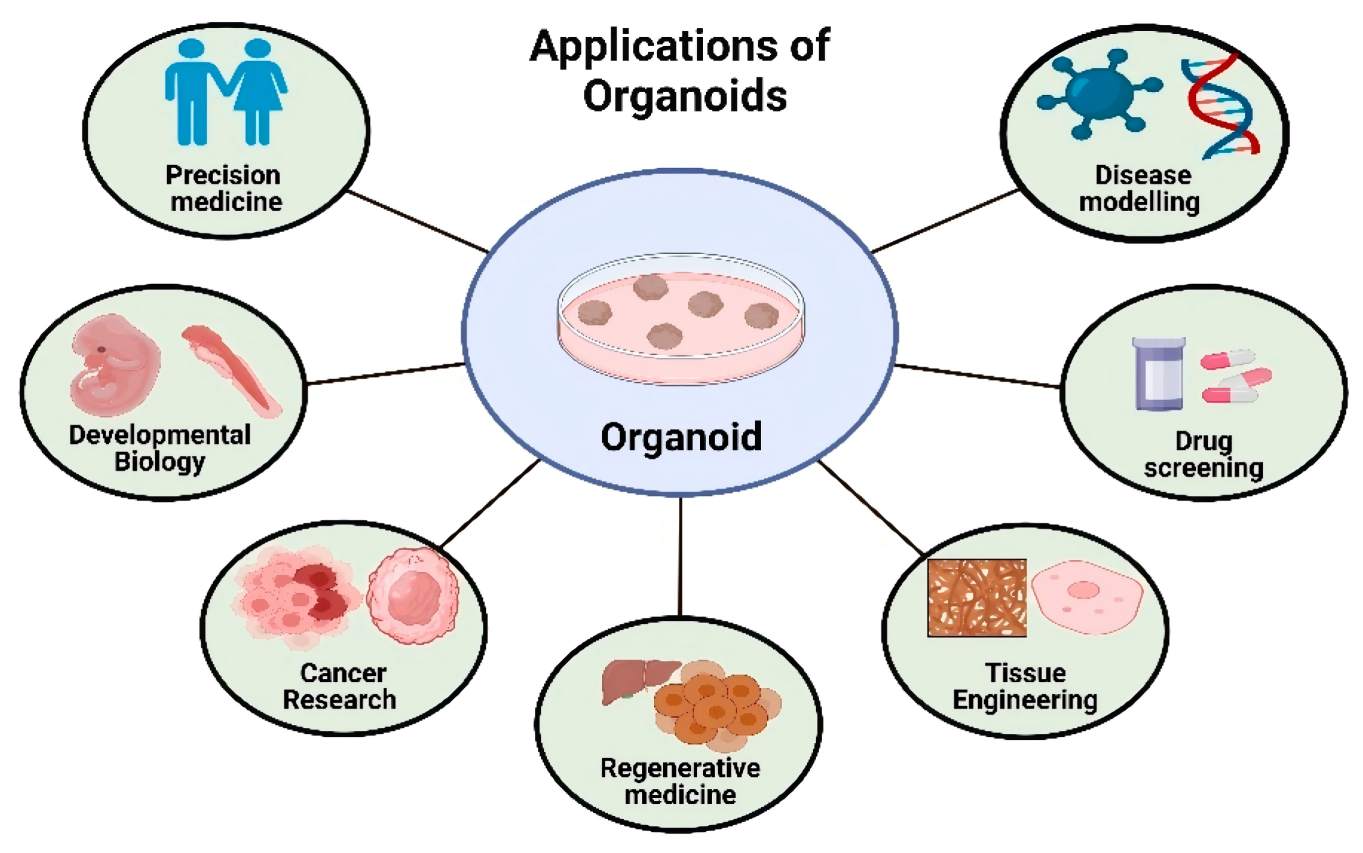 Fig.1 Various applications of organoids.1
FAQs
-
1: Does Creative Biolabs provide the culture media for all the listed organoid models?
A: Yes. We offer optimized, defined media kits specifically formulated for the maintenance and expansion of gut, liver, brain, and other major organoid types listed above.
-
2: Can I obtain the organoid models directly from Creative Biolabs?
A: We maintain a biobank of validated organoid lines available for research use. Please contact our team to query the availability of specific tissue types or disease models.
-
3: Are the culture systems compatible with models derived in my own lab?
A: Absolutely. Our culture reagents are designed to be universally compatible. They are an excellent choice for stabilizing and standardizing "home-grown" organoid lines to improve reproducibility.
How to Contact Us
To inquire about our model inventory or to order culture reagents for your specific tissue of interest, please contact our team directly at or call +1-631-357-2254.
Contact Us
Reference
-
Makesh, Karnika Yogeswari, et al. "A Concise Review of Organoid Tissue Engineering: Regenerative Applications and Precision Medicine." Organoids 4.3 (2025): 16. Distributed under Open Access license CC BY 4.0, without modification. https://doi.org/10.3390/organoids4030016
For Research Use Only. Not For Clinical Use.