Creative Biolabs offers specialized drug delivery systems designed specifically for treating hepatic fibrosis.
Hepatic Fibrosis Targeting Module Development Service
Overview Hepatic Fibrosis Targeting Delivery Systems What Can We Do for You? Workflow FAQs
Creative Biolabs creates advanced drug delivery solutions for hepatic fibrosis treatment by integrating Targeting Modules such as peptides antibodies and aptamers with Drug/Module Delivery Systems including liposomes LNPs and exosomes. We offer drug conjugation strategies including antibody-drug conjugates (ADCs) and aptamer-drug conjugates (ApDCs) which specifically target fibrotic liver tissues. The integrated treatment method achieves better drug delivery to the liver which leads to improved treatment results and fewer side effects. We provides customized treatment strategies that effectively manage both hepatic fibrosis and its associated liver conditions.
Contact our team to get an inquiry now!
Overview
Hepatic fibrosis is a progressive liver condition that develops through chronic liver injury which causes excessive extracellular matrix (ECM) including collagen buildup. Chronic hepatitis, alcohol abuse, non-alcoholic fatty liver disease (NAFLD), and viral infections like hepatitis B or C led to hepatic fibrosis development. Doctors must detect fibrosis early and take action to stop its progression or reverse it because these steps prevent permanent liver damage. Drug delivery vehicles including liposomes, lipid nanoparticles (LNPs), and exosomes serve as protective carriers for therapeutic agents in hepatic fibrosis treatment which prevents agent degradation and boosts bioavailability. The design of these systems allows for modifications that enable them to deliver drugs specifically to the liver. Targeting modules such as peptides (including homing peptides), antibodies, and aptamers can be combined to achieve precise delivery of drugs to fibrotic liver tissues. The modules target specific biomarkers and receptors that are overexpressed in fibrotic tissues to make sure the therapeutic payload reaches the area of action. The use of drug conjugates such as antibody-drug conjugates (ADCs) or aptamer-drug conjugates (ApDCs) facilitates enhanced targeted delivery of anti-fibrotic drugs by releasing therapeutic agents directly in fibrotic regions which boosts treatment outcomes.
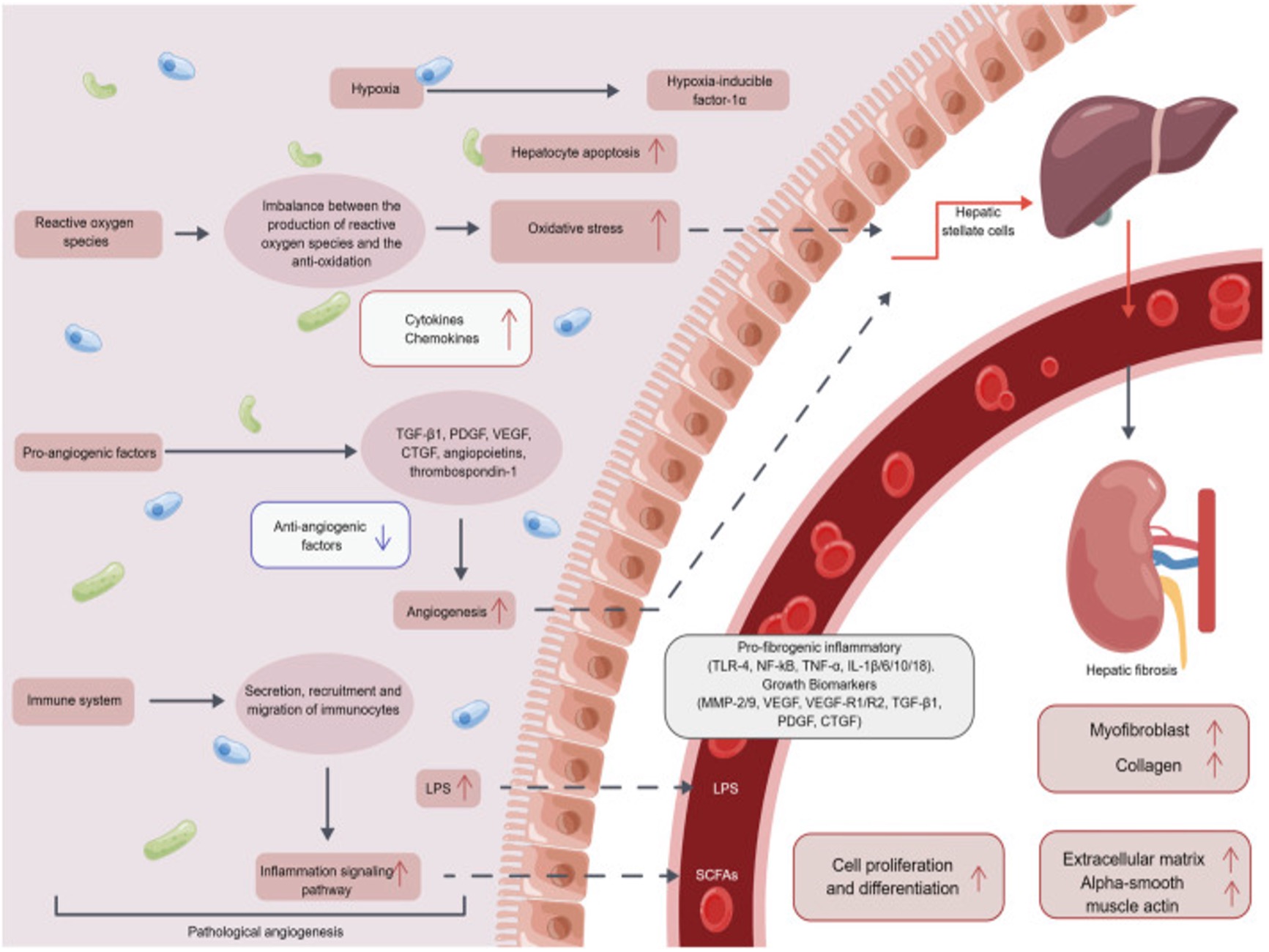 Fig. 1 The mechanism of the pathological angiogenesis in hepatic fibrosis.1
Hepatic Fibrosis Targeting Delivery Systems (TDDS)
Targeted drug delivery systems (TDDS) offer an effective approach to improve antifibrotic treatment outcomes. Targeted delivery strategies enable drugs to reach the liver directly which reduces the necessary drug dose and lowers side effect occurrence. Different carriers and targeting modules enable these systems to deliver therapeutic agents like antifibrotic drugs, gene therapies, or anti-inflammatory agents straight to the liver. Below is a list of different TDDS platforms and their unique characteristics, optimized for various therapeutic applications.
Table 1. The primary types of TDDS utilized in the treatment of Hepatic Fibrosis
| TDDS Type | Description | Targeting Mechanism | Applications |
|---|---|---|---|
| Liposomes | Biodegradable lipid-based vesicles used to encapsulate both hydrophilic and hydrophobic drugs. | Surface modification with ligands (e.g., antibodies or peptides) targeting liver receptors such as ASGPR (asialoglycoprotein receptor). | Targeted delivery of antifibrotic drugs, gene therapy, and anti-inflammatory agents. |
| Lipid Nanoparticles (LNPs) | Nanoscale lipid particles designed for efficient drug delivery, especially for RNA-based therapies. | Functionalized with ligands that enable targeting of liver cells. | Gene therapy (siRNA), targeted delivery of antifibrotic agents. |
| Lipid-Polymer Hybrid Nanoparticles | Hybrid nanoparticles combining lipids and polymers for improved drug encapsulation and stability. | Surface modification with targeting molecules specific to liver cells. | Controlled release of antifibrotic drugs, liver-targeted therapies. |
| Exosomes | Naturally occurring vesicles that can be engineered to encapsulate therapeutic agents. | Functionalized exosomes targeting liver cells or fibrotic tissues via specific receptors (e.g., ASGPR). | Delivery of antifibrotic drugs, gene therapy, and immunomodulatory agents. |
| Virus-Like Particles (VLPs) | Particles that mimic viruses but lack genetic material, used for delivering therapeutic agents. | Surface functionalization for targeting fibrotic liver tissue or hepatocytes. | Targeted gene delivery, RNA therapy, and protein-based delivery to the liver. |
| Fc Fusion Proteins | Fusion proteins combining an antibody fragment with a biologically active protein for enhanced targeting. | Targeting liver-specific receptors like ASGPR for liver targeting. | Delivery of anti-fibrotic proteins, enzymes, and gene therapies to the liver. |
| Albumin-Based Nanoparticles | Biocompatible nanoparticles derived from albumin that can cross the liver and encapsulate drugs. | Targeting through albumin receptors on liver cells. | Drug delivery for antifibrotic therapies, controlled release, and liver-targeted delivery. |
Targeting ligands play a crucial role in enhancing the specificity and effectiveness of targeted drug delivery systems (TDDS). By binding to specific receptors on target cells or tissues, these ligands ensure that therapeutic agents are delivered directly to the intended site of action. The following table highlights various types of targeting ligands, their characteristics, and applications in drug delivery systems.
Table 2. Targeting Ligands Used in Preclinical Studies for hepatic fibrosis
| Targeting Ligand | Target Receptor/Cell Type | Description | Applications |
|---|---|---|---|
| ASGPR (Asialoglycoprotein Receptor) | Hepatocytes (liver cells) | ASGPR is a liver-specific receptor primarily expressed in hepatocytes. It plays a key role in liver targeting. | Targeted delivery of antifibrotic agents, gene therapy, and liver-targeted treatments. |
| Integrins (αvβ3, αvβ5) | Endothelial cells, fibrotic tissues in the liver | Integrins are involved in cell adhesion and migration and are overexpressed in liver fibrosis. | Targeted delivery to fibrotic liver tissue, anti-angiogenic therapies, and drug delivery. |
| CD44 | Liver sinusoidal endothelial cells, fibroblasts | CD44 is a cell-surface glycoprotein involved in cell adhesion and migration, overexpressed in fibrotic liver tissue. | Targeted drug delivery to hepatic stellate cells, fibrotic tissue, and liver cells. |
| Galectin-3 | Hepatic stellate cells, macrophages | Galectin-3 is involved in fibrosis progression and is overexpressed in hepatic stellate cells during liver fibrosis. | Targeted delivery of anti-fibrotic drugs, gene therapy, and macrophage modulation. |
| Fibronectin | Hepatic stellate cells, fibrotic tissues | Fibronectin is an extracellular matrix protein that is upregulated during fibrosis. | Delivery of therapeutic agents targeting fibrotic tissues, liver regeneration therapies. |
| TGF-β (Transforming Growth Factor Beta) | Hepatic stellate cells, fibroblasts, immune cells | TGF-β is a key regulator in fibrosis development, contributing to the activation of hepatic stellate cells. | Targeting fibrotic liver cells, anti-inflammatory therapies, and fibrosis inhibition. |
| LXR (Liver X Receptor) | Hepatocytes, liver macrophages | LXR is involved in lipid metabolism and inflammation, and its activation has been shown to mitigate liver fibrosis. | Delivery of lipid-lowering agents, anti-inflammatory treatments. |
Experience the Creative Biolabs Advantage - Get a Quote Today
What Can We Do for You?
Advanced Drug Delivery Solutions for Hepatic Fibrosis
Innovative Delivery Technology
Our systems combine liposome-based technology with lipid nanoparticles and functionalized peptides, ensuring precise and effective drug delivery to the liver.
Personalized Research and Preclinical Solutions
Our expert team provides customized solutions to support both your research needs in treating hepatic fibrosis.
Contact Us for More Information
Get in touch with us to receive further details and discuss how we can assist you in addressing your specific needs.
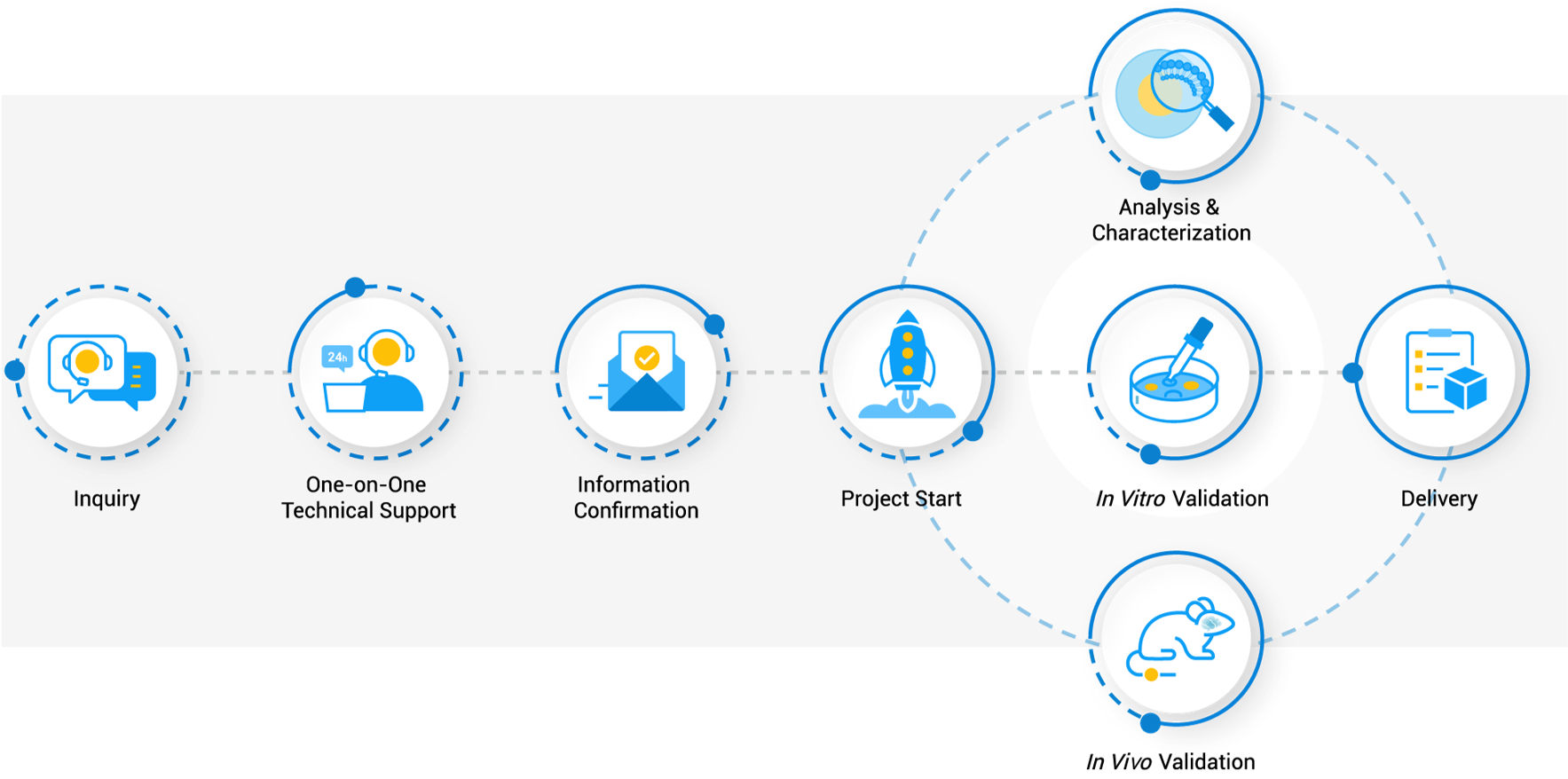
Workflow
FAQ
Q: What is Hepatic Fibrosis Targeting Module Development?
A: Hepatic fibrosis targeting module development involves creating specialized targeting modules that can specifically recognize and bind to markers or receptors associated with hepatic fibrosis. These modules are designed to deliver therapeutic agents directly to fibrotic liver tissue, improving treatment effectiveness and minimizing systemic side effects.
Q: What types of targeting modules do you offer for hepatic fibrosis?
A: We offer a variety of targeting modules, including antibodies, peptides, aptamers, and small molecules. These are carefully engineered to target specific biomarkers or receptors, such as collagen fibers, hepatic stellate cells, or fibrotic extracellular matrix components, that are associated with liver fibrosis.
Q: Can the targeting modules be combined with drug delivery systems?
A: Yes, we specialize in integrating targeting modules with various drug delivery systems like nanoparticles, liposomes, lipid-polymer hybrid nanoparticles, and exosomes. This combination enhances the selective delivery of anti-fibrotic drugs or gene therapies, ensuring higher efficacy and reduced off-target effects.
Q: How do you test the efficacy of your targeting modules for hepatic fibrosis?
A: We perform rigorous preclinical testing, utilizing both in vitro (cell culture models) and in vivo (animal models) to assess the targeting specificity, drug delivery efficiency, and therapeutic effects of the modules. We also conduct pharmacokinetic and toxicity studies to evaluate safety and potential side effects.
Reference
- Li, Zhen et al. "Research progress of traditional Chinese medicine in improving hepatic fibrosis based on inhibiting pathological angiogenesis." Frontiers in pharmacologyvol. 14 1303012. 12 Dec. 2023, DOI:10.3389/fphar.2023.1303012. Distributed under Open Access license CC BY 4.0, without modification.
Our services are For Research Use Only. We do not provide services to individuals.
Online Inquiry