Disease Targeting Module Development Services
Are you currently facing challenges in achieving precise drug delivery, encountering difficulties in directing imaging agents to specific disease sites, or struggling to improve the efficacy of your therapeutic interventions? Our Disease Targeting Module Development services help you enhance drug efficacy and improve diagnostic accuracy through advanced targeting strategies. We leverage our expertise to provide tailored solutions that meet your unique research and development needs.
Contact our team to get an inquiry now!
Overview
While typically engaging discrete cellular or molecular targets, certain biofunctional modules exhibit intrinsic disease-selectivity independent of mechanistic elucidation. This phenomenon allows direct deployment in diagnostic-therapeutic workflows for associated pathologies. Recent advances in uncovering endogenously homeostatic modules have enabled their integration into nanoscale therapeutic vectors to enhance pharmacodynamic performance and pioneer theranostic paradigms - particularly revolutionizing oncological management. These smart ligands have demonstrated translational success across precision oncology applications, particularly in actively targeted nanomedicines and molecular imaging platforms.
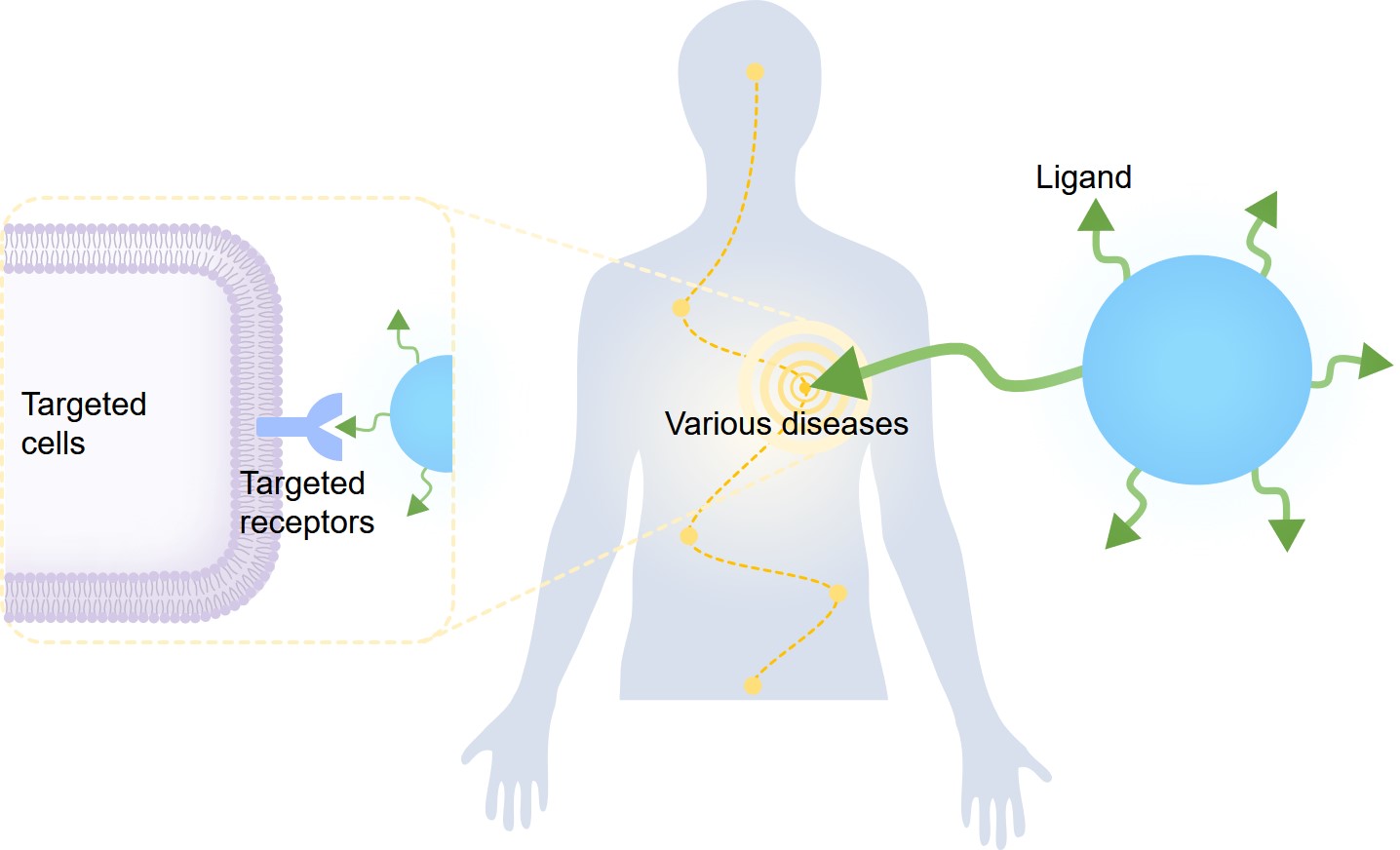 Fig.1 Ligand-mediated disease targeting.1,3
Click the link to view more detailed Disease Targeting Delivery:
- Cancer
Oncological pathologies constitute a pressing global health burden, profoundly influencing disease progression and survival metrics. First-line treatment modalities—tumor ablation procedures, cytotoxic agents, and radiotherapy protocols—persist as cornerstone interventions in cancer care. Nevertheless, these methodologies harbor intrinsic drawbacks: operative techniques excise gross neoplastic masses yet neglect microscopic metastatic spread; chemotherapeutic compounds demonstrate pan-tissue distribution, indiscriminately impairing mitotically active healthy systems; radiation therapies induce bystander tissue necrosis. This therapeutic trilemma drives concentrated research into anatomically precise treatment architectures that mitigate systemic toxicity. Breakthroughs in ligand-directed therapeutic vectors—especially nanoscale delivery systems engineered for molecular discrimination—showcase revolutionary capacity to bypass conventional barriers through subcellular targeting accuracy, establishing novel paradigms for precision oncology.
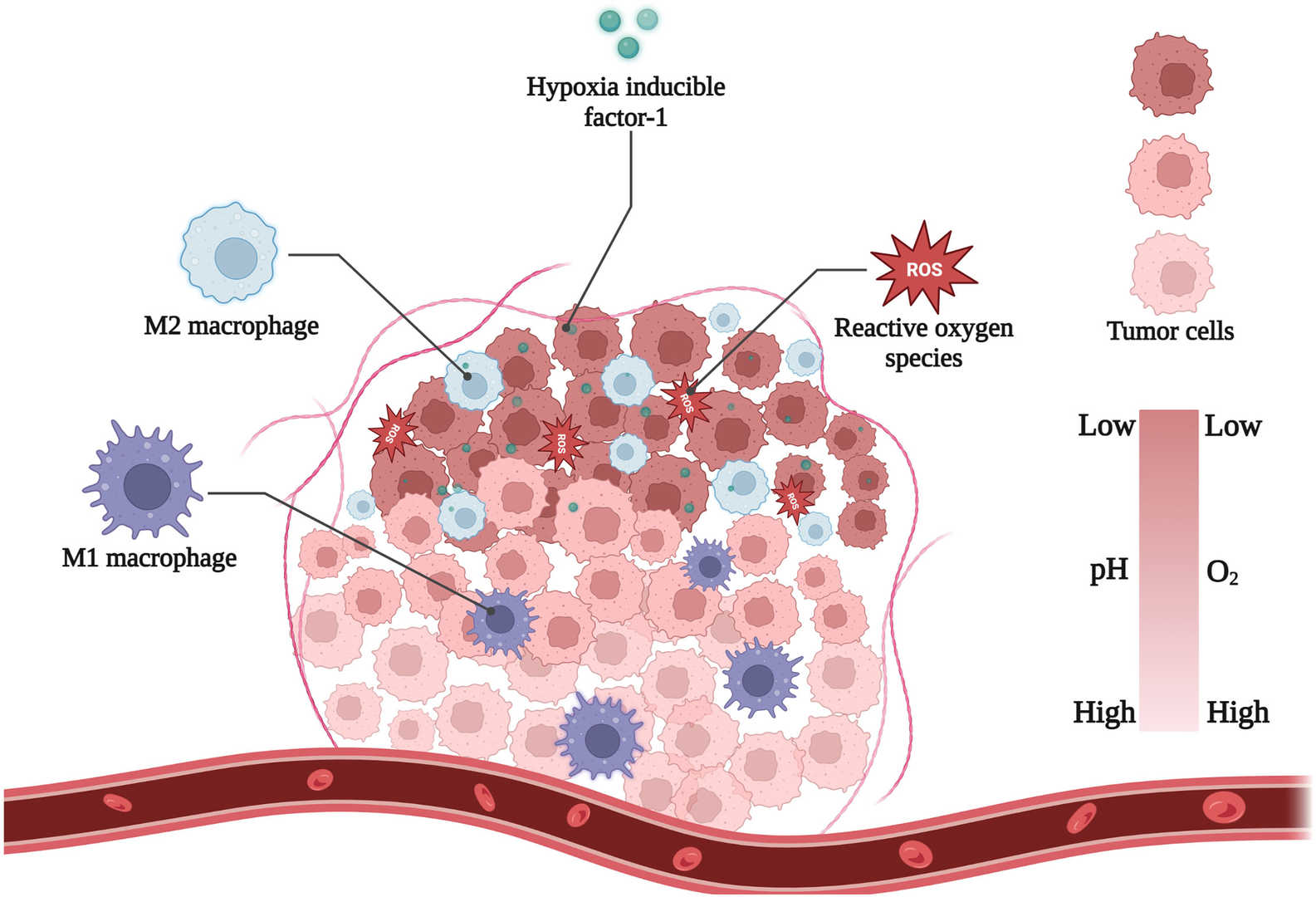 Fig.2 Hypoxia-responsive nanomaterials for tumor imaging and therapy.1,3
- Neurodegenerative diseases
Emerging neuro-nanotheranostic approaches revolutionize treatment paradigms for neurodegenerative disorders such as Alzheimer's, Parkinson's, and ALS via combined diagnostic-therapeutic methodologies. The brain's vascular boundary imposes distinct transport constraints, frequently undermining efficient treatment delivery while amplifying whole-body adverse effects. Nano-engineered solutions address these challenges by refining delivery specificity via enhanced biodistribution profiles and regulated therapeutic dynamics. Advanced neurotropic delivery vehicles now enable BBB transmigration with spatiotemporal precision, molecular stability, and modulated pharmacokinetics. Emerging multimodal nanosystems merging real-time diagnostics with therapeutic intervention exemplify paradigm-shifting approaches, facilitating precision-guided disease management via continuous biomonitoring and adaptive treatment calibration.
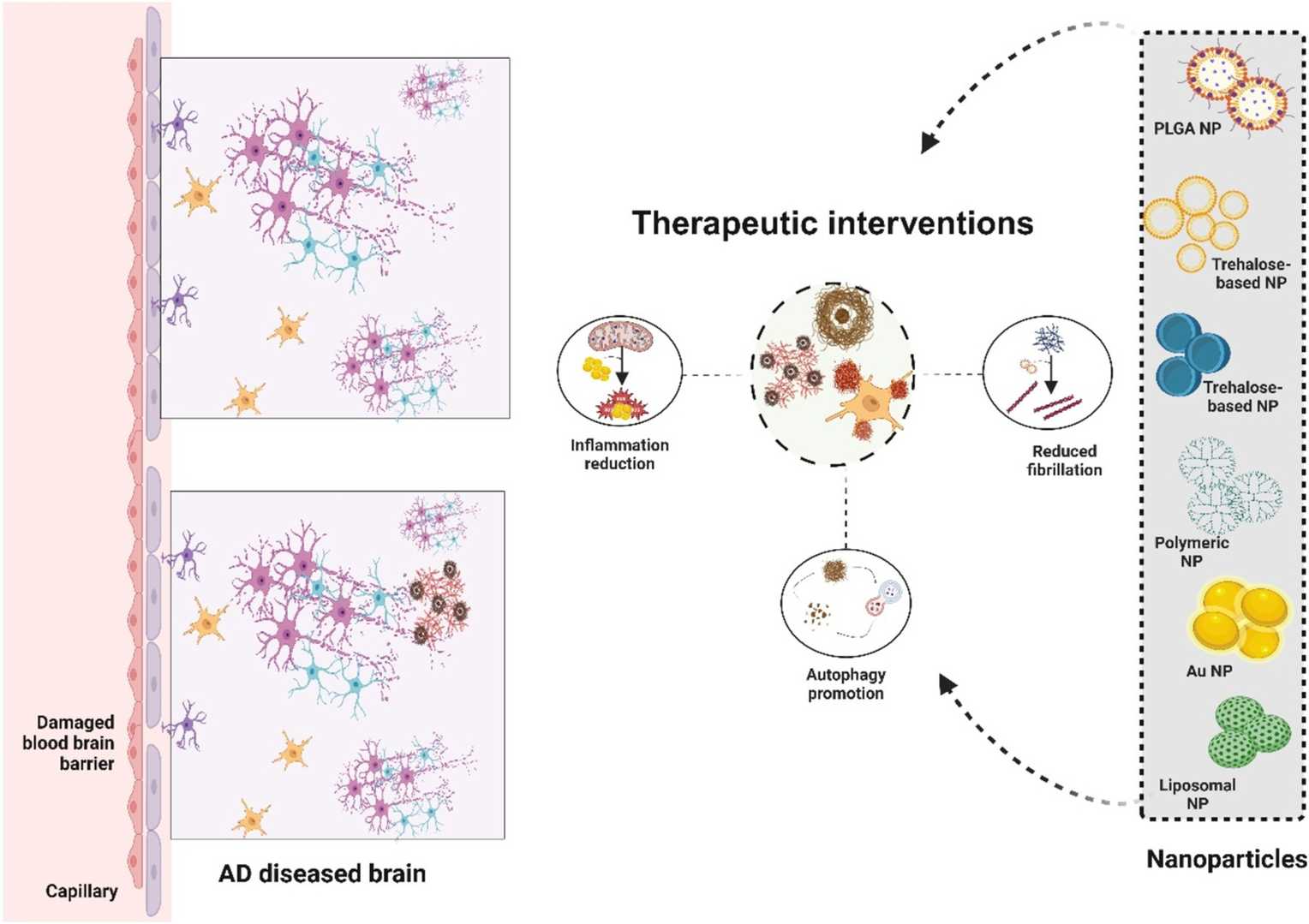 Fig 3. Potential therapeutic strategies for Alzheimer's disease using nano-therapeutics.2,3
What We can Offer?
Creative Biolabs has a complete module delivery system and an experienced team of scientists. We can provide individual targeting modules or different types of module-payload/carrier complexes for specific disease targets. We provide a wealth of corresponding products for you to choose from, including:
- Custom-designed targeting modules for specific biomarkers.
- Conjugation of targeting modules to a variety of payloads (drugs, imaging agents, nanoparticles).
- In vitro and in vivo testing services to evaluate targeting efficacy and specificity.
- Optimization and refinement of targeting modules and conjugation strategies.
- Development of nanoparticle-based drug delivery systems for enhanced targeting.
Experience the Creative Biolabs Advantage - Get a Quote Today
Why Choose Us?
Creative Biolabs is your ideal partner for Disease Targeting Module Development due to our:
- Extensive Expertise: Our team comprises experienced scientists with in-depth knowledge of molecular biology, chemistry, and pharmacology.
- Bespoke Engineering: We offer protocol optimization aligned with your project-specific biological objectives to maximize target engagement and clinical translation potential.
- Innovative Platform Technology: We integrate computational design, precision synthesis, and state-of-the-art validation workflows for modular targeting architectures.
- Validated Partnership Framework: We have demonstrated expertise through strategic alliances with academic pioneers and biopharma innovators across therapeutic domains.
- Rigorous Quality Assurance: We ensure data integrity and experimental reproducibility across development phases through strict compliance with GLP-grade standardization protocols.
- Published Data: Our work is supported by strong scientific evidence and published data.
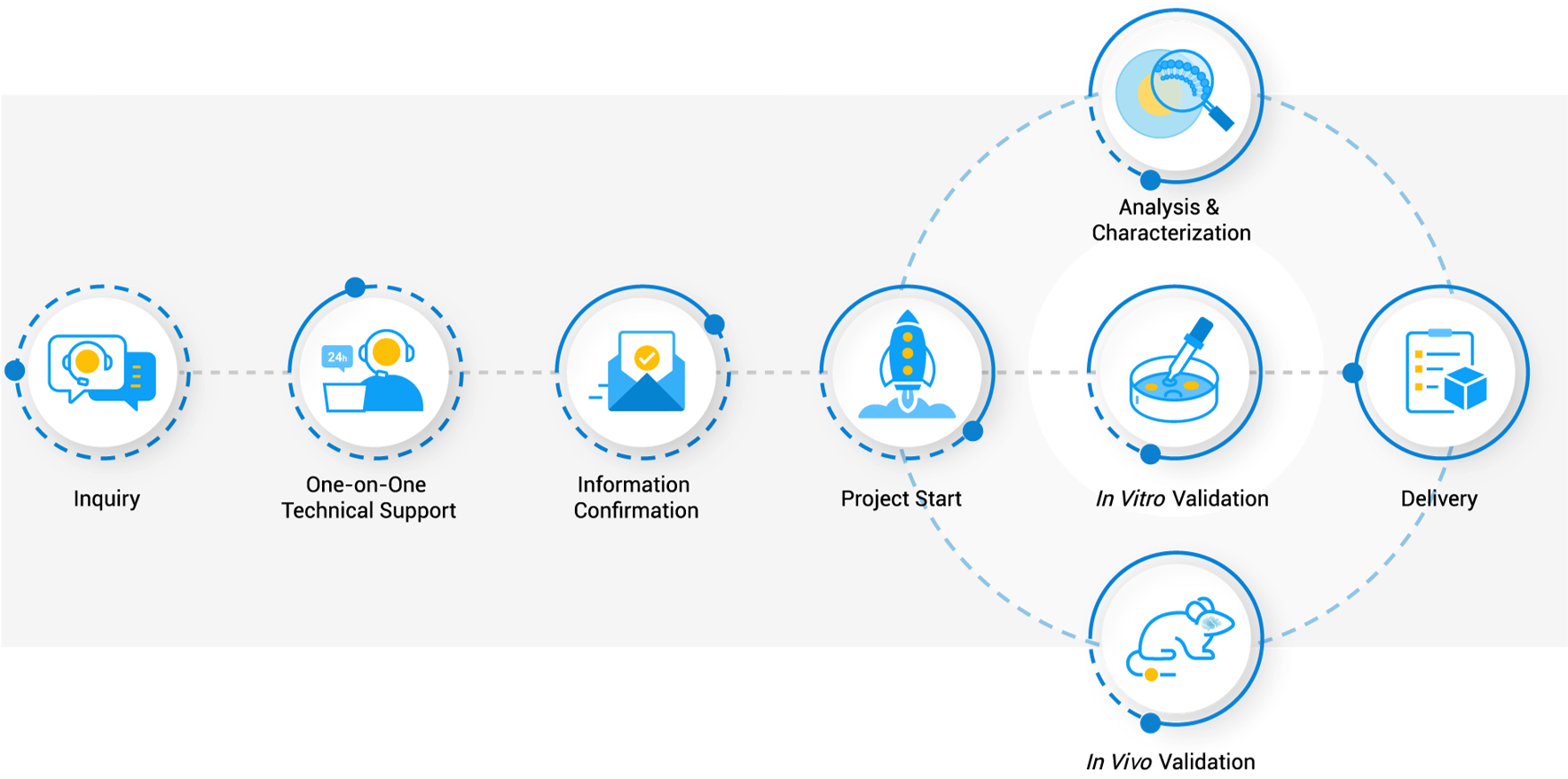
Workflow
FAQs
Can Creative Biolabs develop a targeting module for my specific disease target, even if it is a novel or less common biomarker?
Affirmative. Creative Biolabs maintains comprehensive specialization in engineering bespoke targeting moieties across diverse biomarker categories, including emergent targets. Our interdisciplinary team collaborates with partners to establish validation pipelines for target candidates while developing bioaffinity agents with optimized molecular specificity and binding kinetics.
What are the advantages of using targeted drug delivery compared to traditional methods?
Precision therapeutic delivery systems confer enhanced pharmacological benefits such as increased treatment specificity, minimized off-site toxicity, reduced therapeutic thresholds, and optimized clinical responses. Site-directed localization of bioactive agents focuses interventions on pathological zones, preserving healthy systems while amplifying intended biological activity.
How does Creative Biolabs ensure the safety and efficacy of its targeting modules?
Creative Biolabs adheres to rigorous quality control standards and conducts thorough in vitro and in vivo testing to evaluate the safety and efficacy of its targeting modules. We perform a range of assays to assess binding affinity, specificity, cellular uptake, and toxicity, ensuring that our modules meet the highest standards of performance and safety.
Can Creative Biolabs help with the conjugation of the targeting module to my therapeutic payload?
Yes, Creative Biolabs offers comprehensive conjugation services to link targeting modules to a variety of payloads, including drugs, imaging agents, and nanoparticles. Our team will work with you to determine the optimal conjugation strategy to preserve the activity of your payload and maintain the targeting ability of the module.
What kind of support does Creative Biolabs provide after the delivery of the targeting modules?
Creative Biolabs is committed to providing ongoing support to our clients. We offer technical assistance, data interpretation, and consultation services to help you effectively utilize our targeting modules in your research or development programs. We are here to ensure your success.
Creative Biolabs is dedicated to providing you with the highest quality microorganism targeting solutions. Our team is ready to assist you with your project, from initial consultation to final delivery. Contact Our Team for More Information.
References
- Xia, Yifei, et al. "Hypoxia-responsive nanomaterials for tumor imaging and therapy." Frontiers in Oncology 12 (2022): 1089446.
- Dhariwal, Rupal, et al. "Targeted drug delivery in neurodegenerative diseases: the role of nanotechnology." Frontiers in Medicine 12 (2025): 1522223.
- Distributed under Open Access license CC BY 4.0, without modification.