
Creative Biolabs utilizes cutting-edge module delivery systems to offer high-quality targeted delivery solutions tailored to your project needs.
Osteosarcoma Targeting Module Development Service
Overview Osteosarcoma Targeting Delivery Systems What Can We Do for You? Workflow FAQs
Creative Biolabs develops advanced drug delivery solutions for osteosarcoma treatment using targeting modules like peptides, antibodies and aptamers and delivery systems such as liposomes, LNPs and exosomes. Our range of drug conjugation methods features antibody-drug conjugates (ADCs) and aptamer-drug conjugates (ApDCs) which deliver cytotoxic treatments directly to osteosarcoma tumors. Targeted delivery mechanisms help improve osteosarcoma treatment effectiveness and lessen systemic side effects through integrated solutions.
Contact our team to get an inquiry now!
Overview
Osteosarcoma is a rare aggressive form of bone cancer which primarily affects adolescents and young adults. This cancer grows rapidly producing malignant bone cells which frequently spread to lung tissue and additional bones. The standard treatment for osteosarcoma patients includes surgical removal of tumors with chemotherapy and radiation therapy when necessary. Targeted drug delivery systems offer a new approach to osteosarcoma therapy by directing medications to cancer cells which helps to reduce side effects and improve treatment results. Chemotherapeutic agents are protected from degradation through encapsulation in liposome and lipid nanoparticle delivery systems that enable controlled drug release. Such systems' design enhances drug bioavailability while improving pharmacological distribution to areas affected by osteosarcoma. Osteosarcoma cells can be selectively targeted through targeting modules containing peptides with homing capabilities alongside antibodies and aptamers which recognize tumor-specific overexpressed biomarkers. ADCs and ApDCs amplify osteosarcoma treatment effectiveness by targeting tumors directly with cytotoxic drugs to improve treatment precision.
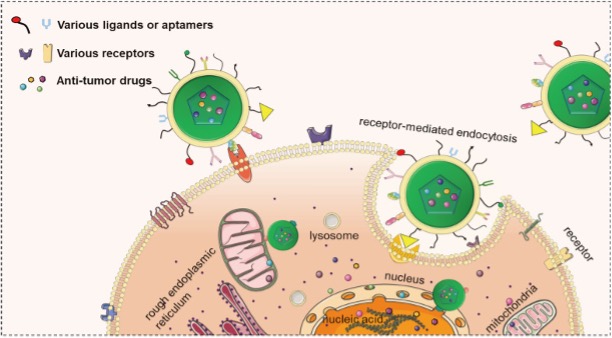 Fig. 1 schematic illustration of osteosarcoma cell internalization nanocarriers by active targeting.1
Osteosarcoma Targeting Delivery Systems (TDDS)
Targeted drug delivery systems represent a new promising strategy that enhances treatment precision and effectiveness for osteosarcoma. These systems transport therapeutic agents right to the tumor site which helps protect healthy tissues from damage and reduces side effects. TDDS integrate targeting modules with innovative drug delivery technologies to achieve better drug bioavailability alongside improved treatment results and personalized treatment options for osteosarcoma. The following table outlines different TDDS platforms, their key features, and their applications in drug delivery.
Table 1. The Primary Types of TDDS Utilized in The Treatment of Osteosarcoma
| TDDS Type | Description | Targeting Mechanism | Applications |
|---|---|---|---|
| Nanoparticles | Small particles (1-1000 nm) designed to encapsulate chemotherapeutic agents and improve their stability. | Active targeting through surface modifications with ligands specific to osteosarcoma cells (e.g., folate, HER2). | Targeted chemotherapy, gene delivery, and immunotherapy. |
| Liposomes | Lipid-based vesicles that encapsulate both hydrophilic and hydrophobic drugs. | Targeting via ligands or antibodies specific to osteosarcoma cell receptors or tumor vasculature. | Drug delivery, gene therapy, and improved bioavailability of chemotherapeutics. |
| Lipid-Polymer Hybrid Nanoparticles | Hybrid nanoparticles combining the benefits of both lipids and polymers to enhance drug delivery. | Surface modification with targeting ligands for osteosarcoma-specific receptors. | Targeted chemotherapy, gene therapy, and tumor targeting. |
| Exosomes | Small vesicles derived from cells that can carry therapeutic molecules, such as RNA and proteins. | Natural targeting of tumor cells and vasculature through cell membrane proteins. | Gene delivery, RNA interference, and targeted therapy for osteosarcoma. |
| Virus-Like Particles (VLPs) | Nanoparticles that mimic the structure of viruses but are non-infectious. | Targeting via specific ligands or peptides for osteosarcoma cell receptors. | Targeted drug delivery, gene therapy, and immunotherapy. |
| Fc Fusion Proteins | Fusion proteins combining the Fc region of antibodies with therapeutic proteins or drugs. | Binding to osteosarcoma cell surface receptors through antibody regions. | Targeted delivery of cytotoxic drugs and immune modulation. |
Targeting ligands are molecules designed to bind specifically to receptors on the surface of target cells, enhancing the precision of drug delivery systems. These ligands play a critical role in ensuring that therapeutic agents are delivered directly to the intended site of action, minimizing side effects. The following table provides an overview of various targeting ligands, their properties, and their applications in drug delivery.
Table 2. Targeting Ligands Used in Preclinical Studies for Osteosarcoma
| Targeting Ligand | Target Receptor/Cell Type | Description | Applications |
|---|---|---|---|
| Integrins (αvβ3, αvβ5) | Osteosarcoma cells, tumor vasculature | Integrins are involved in cell adhesion, migration, and angiogenesis, frequently overexpressed in osteosarcoma. | Targeted delivery of chemotherapeutics, anti-angiogenesis therapy. |
| Folate Receptor | Osteosarcoma cells, especially in adenocarcinomas | Folate receptors are often upregulated in cancer cells, including osteosarcoma. | Targeted drug delivery, nanoparticle-based therapies, gene therapy. |
| CD44 | Osteosarcoma stem cells, fibroblasts | CD44 is a cell surface glycoprotein that is involved in cell-cell interactions and is overexpressed in osteosarcoma stem cells. | Targeted therapy to cancer stem cells, gene delivery, and drug delivery. |
| EGFR (Epidermal Growth Factor Receptor) | Osteosarcoma cells, tumor vasculature | EGFR is often overexpressed in osteosarcoma, particularly in advanced stages of the disease. | Targeted drug delivery, antibody-drug conjugates (ADCs), immunotherapy. |
| HER2 (Human Epidermal Growth Factor Receptor 2) | Osteosarcoma cells, especially in aggressive forms | HER2 is a receptor tyrosine kinase that is upregulated in some osteosarcoma cells. | Targeted drug delivery, ADCs, and immunotherapy targeting HER2. |
| Alpha-smooth Muscle Actin (α-SMA) | Myofibroblasts, tumor vasculature | α-SMA is expressed in activated fibroblasts, myofibroblasts, and some tumor vasculature. | Targeted drug delivery to tumor-associated fibroblasts and vasculature. |
| Mucin 1 (MUC1) | Osteosarcoma cells, tumor vasculature | MUC1 is a transmembrane glycoprotein overexpressed in many cancers, including osteosarcoma. | Targeted delivery of chemotherapeutic agents and immunotherapy. |
Experience the Creative Biolabs Advantage - Get a Quote Today
What Can We Do for You?
Advanced Module Delivery Systems
Expert Services to Support Research Success
Our professional scientists deliver innovative and effective services designed to support the success of your research projects.
Specialized Targeted Delivery Systems for Multiple Diseases
We provide specialized targeted delivery solutions not only for osteosarcoma but also for a variety of other diseases.
Contact Us for More Information
If you require further details about our services or have any questions, feel free to reach out to us. We're here to help with your project needs.
Workflow

FAQ
Q: What is Osteosarcoma Targeting Module Development?
A: Osteosarcoma targeting module development involves designing and creating highly specific targeting modules such as antibodies, peptides, aptamers, or small molecules that can selectively bind to osteosarcoma cells or the tumor microenvironment. These modules facilitate targeted delivery of therapeutic agents to enhance treatment efficacy and minimize side effects.
Q: What types of targeting modules do you offer for osteosarcoma?
A: We provide a variety of targeting modules, including monoclonal antibodies, peptide ligands, aptamers, and small molecules, specifically designed to bind to osteosarcoma-associated biomarkers and receptors, such as receptor tyrosine kinases and integrins.
Q: Can the targeting modules be combined with drug delivery systems?
A: Yes, we offer integration of our targeting modules with advanced drug delivery systems, such as nanoparticles, liposomes, and lipid-polymer hybrid nanoparticles. This approach enhances the precision of drug delivery, allowing chemotherapeutic agents or gene therapies to be delivered directly to osteosarcoma cells.
Q: What are the therapeutic applications of osteosarcoma targeting modules?
A: Our targeting modules are designed to improve the efficacy of various therapeutic strategies, including chemotherapy, immunotherapy, and gene therapy. They can also be used in combination with other treatments to enhance overall therapeutic outcomes in osteosarcoma.
Reference
- Shi, Pengzhi et al. "Active targeting schemes for nano-drug delivery systems in osteosarcoma therapeutics." Journal of nanobiotechnologyvol. 21,1 103. 22 Mar. 2023, DOI:10.1186/s12951-023-01826-1. Distributed under Open Access license CC BY 4.0, without modification.
Our services are For Research Use Only. We do not provide services to individuals.
Online Inquiry