
Applications
Online Inquiry
For research use only. Not intended for any clinical use.
This site is protected by reCAPTCHA and the Google Privacy Policy and Terms of Service apply.
Non-Human Primate (NHP) Applications in Cardiometabolic & Inflammatory Diseases
Accelerate Your Drug Discovery Process! Are you currently facing high clinical trial attrition rates or the challenges of translating promising preclinical data into human success? Creative Biolabs helps you advance your drug candidates and reduce risk through our unparalleled NHP research platforms. Our advanced NHP models provide essential translational data on pharmacokinetics, efficacy, and safety, bridging the critical gap between basic research and human clinical trials in Cardiometabolic & Inflammatory Diseases.
Translational Medicine for Cardiometabolic & Inflammatory Diseases
The physiological, genetic, and immunological similarities between NHPs and humans make them an indispensable model for tackling complex chronic conditions, providing the high-fidelity data needed for successful regulatory submissions.
Overview of NHP Applications
What Are Our Research Areas?
The global health burden of chronic cardiometabolic and inflammatory diseases necessitates a robust preclinical pipeline. Creative Biolabs' research platform provides access to a wide range of NHP disease models for these therapeutic areas.
- Diabetes, NASH, & CVD Models: we use NHP models that spontaneously develop conditions mirroring human disease progression, allowing for the evaluation of novel therapies for glucose control, lipid metabolism, and organ damage.
- For Autoimmune (RA, IBD) Translational Studies: we harness the physiological and immunological similarities between NHPs and humans to assess the safety and efficacy of immunomodulatory drugs and advanced biologics.
Our services are designed to provide a comprehensive understanding of disease progression, drug mechanism of action, and potential liabilities, giving you the confidence to move forward with both types of therapies.
Why Choose Us?
Non-human primates are an irreplaceable translational bridge between preclinical discovery and clinical development. Their advantages in this field are profound and cannot be replicated by other models:
- Genetic and Immunological Similarities: NHPs share up to 98% of their genetic makeup with humans, with highly conserved immune cell populations and signaling pathways that are crucial for studying inflammatory, autoimmune, and immuno-oncology therapies.
- Clinical Translational Relevance: NHPs spontaneously develop cardiometabolic diseases, such as obesity and atherosclerosis, in a manner that closely mimics human pathology, offering a superior model for chronic disease progression and drug efficacy studies.
- Physiological and Anatomical Homology: NHP organ systems, including the cardiovascular, renal, and central nervous systems, are remarkably similar to those of humans. This allows for accurate assessment of safety pharmacology and the potential for off-target effects.
- Data Types Required for Regulatory Submissions: NHP data on toxicology, pharmacokinetics (PK), and biodistribution is often a mandatory requirement for regulatory agencies for advanced therapies.
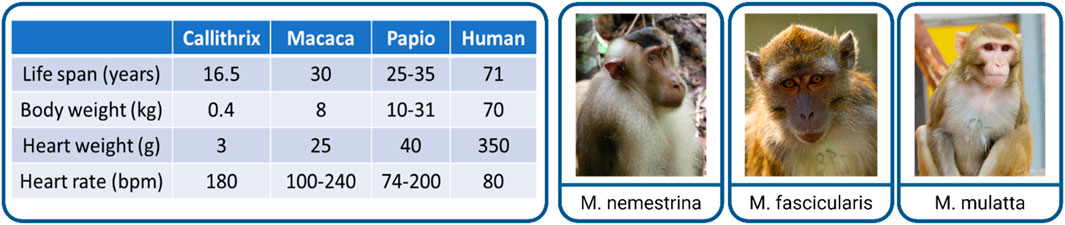 Fig.1 NHPs as an advanced preclinical model for cardiac remuscularization.1
Key Applications
Creative Biolabs' NHP research models provide critical insights into some of the most challenging therapeutic areas. Our services are designed to answer key questions about your drug candidates:
- Modeling Cardiometabolic Syndrome: We use NHP models that spontaneously or are diet-induced to develop metabolic syndrome, type 2 diabetes, and obesity. This allows for in-depth studies of disease progression and the evaluation of novel therapeutics aimed at glucose control, lipid metabolism, and weight management.
- Investigating Cardiovascular Efficacy and Safety: From assessing drug-induced cardiotoxicity to evaluating the long-term efficacy of gene and cell therapies for cardiac regeneration, NHPs provide a predictive model for cardiovascular endpoints that is unattainable in rodents.
- Studying Complex Inflammatory Disorders: The highly conserved inflammatory pathways in NHPs allow us to model and test therapies for a range of inflammatory and autoimmune conditions, providing a crucial step before human trials.
How Do Creative Biolabs Support Your Projects?
Our comprehensive services are designed to integrate seamlessly with your drug development program, providing the precise data you need to make informed decisions. We offer a full suite of preclinical research capabilities:
| Service Capability | Corresponding Application Area |
| NHP Bio-specimen Bank | Provides access to a wide range of high-quality biospecimens including blood, serum, plasma, PBMCs, and immune cells. |
| In Vivo PK Studies | Conducts single and multiple-dose PK profiling to characterize drug exposure over time. |
| Disease Model Development | Develops a variety of NHP disease models for metabolic diseases, cardiovascular diseases, and oncology. |
| ADA/Immunogenicity Testing | Conducts anti-drug antibody and neutralizing antibody assays to assess immune responses. |
Translational Impact
The investment in NHP research provides an outsized return by de-risking your clinical program. Data from our NHP studies can help you achieve more reliable early proof of concept and enables the early detection of immune responses and toxicity, which are often missed in smaller animal models. This can significantly reduce the risk of costly and time-consuming IND failures. For example, NHP biodistribution data is a critical requirement for gene therapy IND submissions and offers the predictive power to ensure your therapy has the best chance of success.
Frequently Asked Questions
Q: What is the sensitivity and resolution of your bioanalysis platforms for detecting my drug and biomarkers?
A: Our bioanalytical services employ state-of-the-art platforms, including LC-MS/MS, ELISA, and advanced multiplex systems, to provide the highest possible sensitivity and resolution. We work with you to validate an assay specific to your molecule, ensuring the data is robust and suitable for regulatory submission.
Q: What considerations are there for sample collection, handling, and stability?
A: Our team provides full-service sample management, from custom collection protocols to cold-chain transportation and biobanking. We ensure that every sample is properly labeled, aliquoted, and stored to maintain its integrity, from initial collection to final analysis.
Q: How do NHP models improve upon the limitations of rodent models for my specific research area?
A: While rodents are excellent for early-stage discovery, their physiological and immunological differences from humans can lead to high attrition rates in clinical trials. NHPs offer a more predictive model that mirrors human disease and drug response, providing greater confidence in your data and increasing the likelihood of clinical success.
Q: What is the first step in collaborating with Creative Biolabs on a new project?
A: The first step is a confidential discussion with our scientific team. We will learn about your project goals, recommend the most suitable NHP models and study design, and outline a path to success. We're here to help you navigate the complexities of NHP research.
Contact Us
Eager to enhance your preclinical investigations? Creative Biolabs delivers the scientific precision and expertise necessary to propel your cardiometabolic, inflammatory, and oncology initiatives with confidence. Looking to utilize our NHP platform for your forthcoming research? Reach out to our team for detailed information and project consultations.
Reference
- von Bibra, Constantin, and Rabea Hinkel. "Non-human primate studies for cardiomyocyte transplantation—ready for translation?." Frontiers in pharmacology 15 (2024): 1408679. Distributed under Open Access license CC BY 4.0, without modification. DOI: https://doi.org/10.3389/fcimb.2024.1493885