
Applications
Online Inquiry
For research use only. Not intended for any clinical use.
This site is protected by reCAPTCHA and the Google Privacy Policy and Terms of Service apply.
Non-Human Primate (NHP) Applications in Ophthalmic & Pulmonary Diseases
Are you currently facing complex challenges in developing advanced therapies for ophthalmic and pulmonary diseases, such as the need for robust preclinical data for regulatory submissions? At Creative Biolabs, our NHP models offer a powerful solution. We help you accelerate drug development and enhance the translational relevance of your research through our advanced NHP platform, leveraging their unique genetic and physiological similarities to humans.
Bridging the Gap: From Lab to Clinic with Creative Biolabs' NHP Models.
Using NHPs provides the critical preclinical evidence required by regulatory bodies, serving as the bridge from research to a successful IND application and, ultimately, human clinical trials.
Overview of NHP Applications
What Are Our Research Areas?
Our services focus on providing robust preclinical research models for advanced therapies targeting ophthalmic and pulmonary diseases. These complex conditions, from dry eye disease to infectious respiratory illnesses, require models that accurately reflect human anatomy and physiology to ensure translational success. Our NHP models are uniquely suited for this purpose.
- Retinal Gene Therapy Validation: We provide NHP models that closely mimic the human eye's anatomical and physiological characteristics, which is crucial for evaluating gene therapies targeting retinal diseases. These models are essential for assessing the safety and efficacy of therapeutic vectors, as well as their biodistribution and potential for shedding after administration. This allows for a comprehensive understanding of the therapy's impact on a system that is highly relevant to human patients.
- Inhalation Models & Respiratory Safety: Our NHP models are ideal for studying human respiratory infections and assessing the safety of inhaled drug formulations. The anatomical similarities of the NHP respiratory tract to that of humans allow for accurate modeling of disease progression and response to treatment. This capability is vital for both infectious disease research and for validating the safety of novel inhalation therapies.
Why Choose Us?
NHPs are an indispensable component of preclinical research, especially for advanced therapies where other animal models fall short. Their advantages are critical for successful drug development and regulatory approval:
- Genetic and Immunological Similarities: NHPs share a high degree of genetic and immunological homology with humans, enabling them to mount immune responses and exhibit disease pathologies that are highly relevant to clinical outcomes.
- Clinical Translational Relevance: The close physiological and anatomical match between NHPs and humans makes data from these models more predictive of human responses, greatly reducing the risk of failure in clinical trials.
- Data Types Required for Regulatory Submissions: Regulatory bodies often require NHP data, particularly for advanced therapies, to evaluate vector biodistribution, safety, and potential immunogenicity before authorizing human clinical trials.
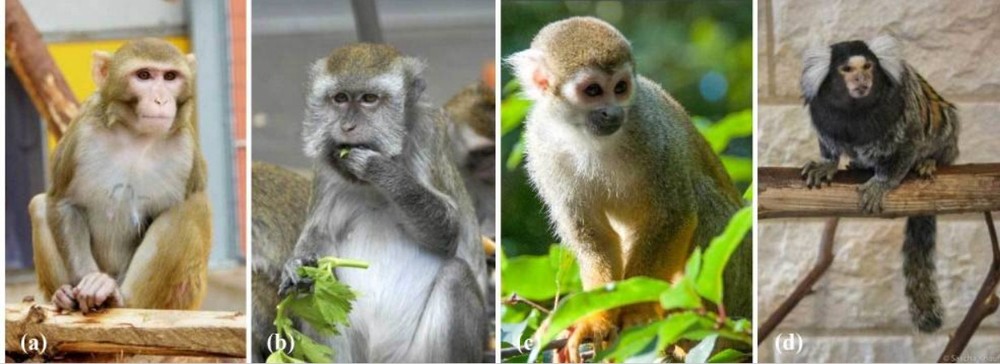 Fig.1 Utilization of NHPs in research on obstructive lung diseases.1
Key Applications
- Pulmonary Disease Models: Our NHP models are utilized to study respiratory diseases caused by viruses like influenza and coronaviruses, as well as bacteria such as tuberculosis. Researchers can use these models to evaluate the efficacy of new vaccines and antiviral treatments in a clinically relevant setting.
- Ophthalmic Disease Models: We have successfully developed a desiccating stress-induced NHP model for dry eye disease that accurately replicates clinical symptoms observed in human patients. This model provides an invaluable tool for validating new treatments and understanding disease pathogenesis.
- Gene Therapy Delivery and Safety: NHPs serve as a gold standard for gene therapy studies. They are used to evaluate the biodistribution and persistence of gene therapy vectors (e.g., AAVs) after administration, as well as to monitor for potential off-target effects and immune responses.
- Inhalation and Aerosol Studies: The NHP respiratory system is anatomically similar to the human system, making it ideal for evaluating the deposition, safety, and efficacy of inhaled drugs and vaccines. This is critical for the development of treatments for conditions like asthma.
How Do Creative Biolabs Support Your Projects?
At Creative Biolabs, we provide a full suite of services designed to support your NHP research, ensuring that your preclinical studies are robust and efficient. We highlight our service capabilities below.
| Service Capability | Corresponding Application Area |
| Gene Therapy Models (AAV, Lentivirus) | Corresponding Application Area: Preclinical validation of gene therapies for ocular and respiratory diseases. |
| Ophthalmic Diseases Model Development | Development of disease models and efficacy studies for new drug candidates. |
| ADA/Immunogenicity Testing | Assessing potential immune responses to novel therapeutics. |
Translational Impact
NHP models are not just a research tool; they are a strategic asset that significantly de-risks the drug development process. By providing the essential translational data required by regulatory agencies, NHP models help validate your therapeutic hypotheses and identify potential safety concerns early. This early detection of immune responses and toxicity can prevent costly failures in later-stage clinical trials, leading to a more streamlined and successful path to drug approval. The use of NHPs provides a strong scientific foundation, improving the predictability of clinical outcomes and increasing the probability of a successful IND submission.
Frequently Asked Questions
Q: What is the resolution or sensitivity of your imaging and bioanalysis platforms for ophthalmic and pulmonary applications?
A: Our platforms utilize state-of-the-art technology, including high-resolution imaging modalities and highly sensitive bioanalytical assays (LC-MS/MS, ELISA, MSD). This ensures that we can detect subtle changes in disease progression and accurately quantify therapeutic molecules and biomarkers, providing the high-quality data required for your regulatory submissions. Contact our team to discuss the specific sensitivity requirements for your project.
Q: What are the logistical considerations for handling and collecting samples from NHPs, particularly for sensitive tissues?
A: We have a robust and well-documented process for biological sample collection and biobanking. Our team is highly experienced in handling and processing sensitive samples like retinal tissue, bronchoalveolar lavage fluid, and cerebrospinal fluid. We adhere to strict cold-chain protocols to ensure sample integrity from collection to analysis, and we can develop customized collection services to meet your specific study needs.
Q: How do you select the most appropriate NHP species and model for my specific research?
A: Our scientific experts, with decades of experience, will work with you to choose the most suitable NHP species (e.g., cynomolgus or rhesus macaques) based on your specific therapeutic area and study objectives. We consider factors like the disease model, route of administration, and the characteristics of your compound to ensure the model is as translational as possible.
Q: How do NHP models compare to other preclinical models, like rodents or rabbits, for ophthalmic and pulmonary research?
A: While rodent and rabbit models have their place in early-stage research, NHPs provide a more accurate and predictive model for human disease due to their anatomical, physiological, and immunological similarities. Our NHP models bridge the critical gap between simpler animal models and human clinical trials, providing data with higher translational value, especially for complex diseases and advanced therapeutics.
Contact Us
Ready to leverage our NHP platform for your next study? This is your opportunity to discuss the unique challenges and objectives of your preclinical program. Contact our specialists, who will work with you to understand your specific therapeutic area and help define the most suitable NHP species and model, as well as the optimal study design, route of administration, and data analysis plan.
Reference
- Dahlmann, Franziska, and Katherina Sewald. "Use of nonhuman primates in obstructive lung disease research - is it required?." Primate biology vol. 4,1 131-142. 30 Jun. 2017. Distributed under Open Access license CC BY 4.0, without modification. DOI: https://doi.org/10.5194/pb-4-131-2017