Product List
Filter Product



Bacterial endotoxins, primary Lipopolysaccharides (LPS), are toxic components found in the outer membrane of gram-negative bacteria. They are potent pyrogens that can induce systemic inflammation or septic shock. Bacterial Endotoxin Testing (BET) is a critical safety requirement for the pharmaceutical and medical device industries. Its primary goal is to detect and quantify bacterial endotoxins. Creative Biolabs provides both gold-standard LAL and next-generation recombinant kits to ensure your products meet global pharmacopeial requirements.
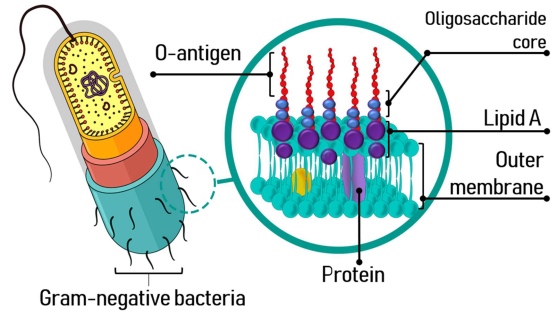 Fig.1 The Structure of Gram-negative Bacterial Endotoxin.1
The administration of parenteral drugs or the implantation of medical devices bypasses the body's primary protective barriers. If these products are contaminated with endotoxins, they can trigger an immediate innate immune response. Unlike live bacteria, endotoxins are heat-stable and can remain biologically active even after sterilization. For medical devices, especially those contacting blood or cerebrospinal fluid, the limit for endotoxin contamination is remarkably low (e.g., < 0.06 EU/mL for intrathecal devices). Failure to detect these contaminants can lead to inflammation, post-operative fever, or even fatality. Creative Biolabs' kits are engineered to detect these sub-nanogram concentrations, providing a definitive safety barrier between your manufacturing line and the patient.
Literature highlights that traditional Limulus Amebocyte Lysate (LAL) assays, while effective, are prone to interference from beta-glucans. Modern recombinant alternatives, such as Recombinant Factor C (rFC), offer a high-specificity solution. Choosing the right kit depends on your sample matrix, regulatory target, and sustainability goals. Understanding the biochemical pathway of detection is essential for selecting the correct assay.
 Traditional LAL-based Assays
Limulus Amebocyte Lysate (LAL) is derived from the blue blood of the Atlantic horseshoe crab (Limulus polyphemus). LAL contains a series of zymogens (pro-enzymes) that trigger a coagulation cascade when they encounter endotoxin. For over 50 years, LAL assays have been the gold standard for detecting endotoxins from gram-negative bacteria. LAL assays are effective, however, are prone to interference from beta-glucans.
 Recombinant Factor C (rFC) Assay
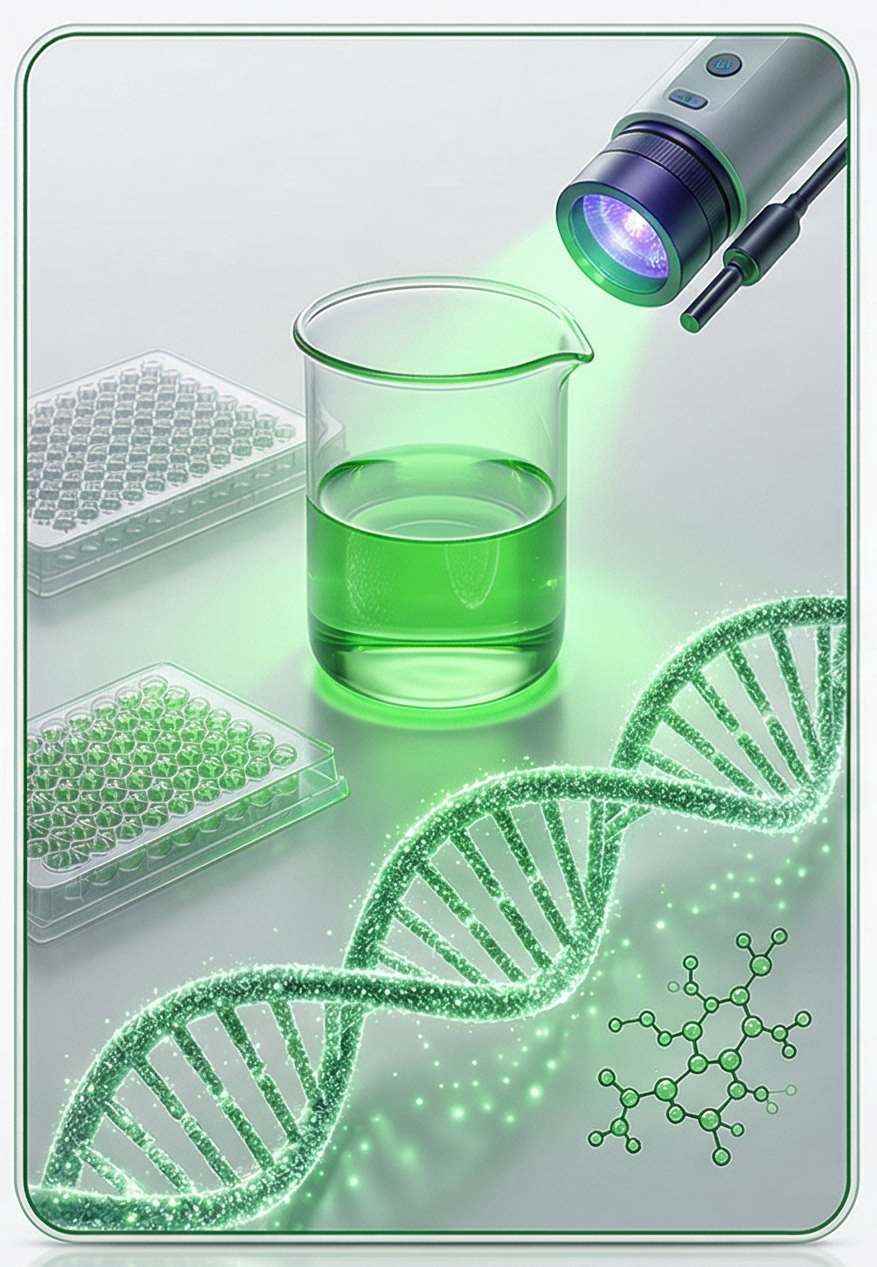
The Recombinant Factor C (rFC) assay is an animal-free, sustainable, and highly specific in vitro method for detecting bacterial endotoxins in pharmaceutical products. It uses a synthetic, recombinant version of the horseshoe crab's Factor C protein, which binds directly to endotoxins, eliminating false positives caused by beta-glucans. The rFC assay offers high specificity, minimizes lot-to-lot variability, and eliminates the need to harvest endangered horseshoe crabs.
 Recombinant Cascade Reagent (rCR) Assay
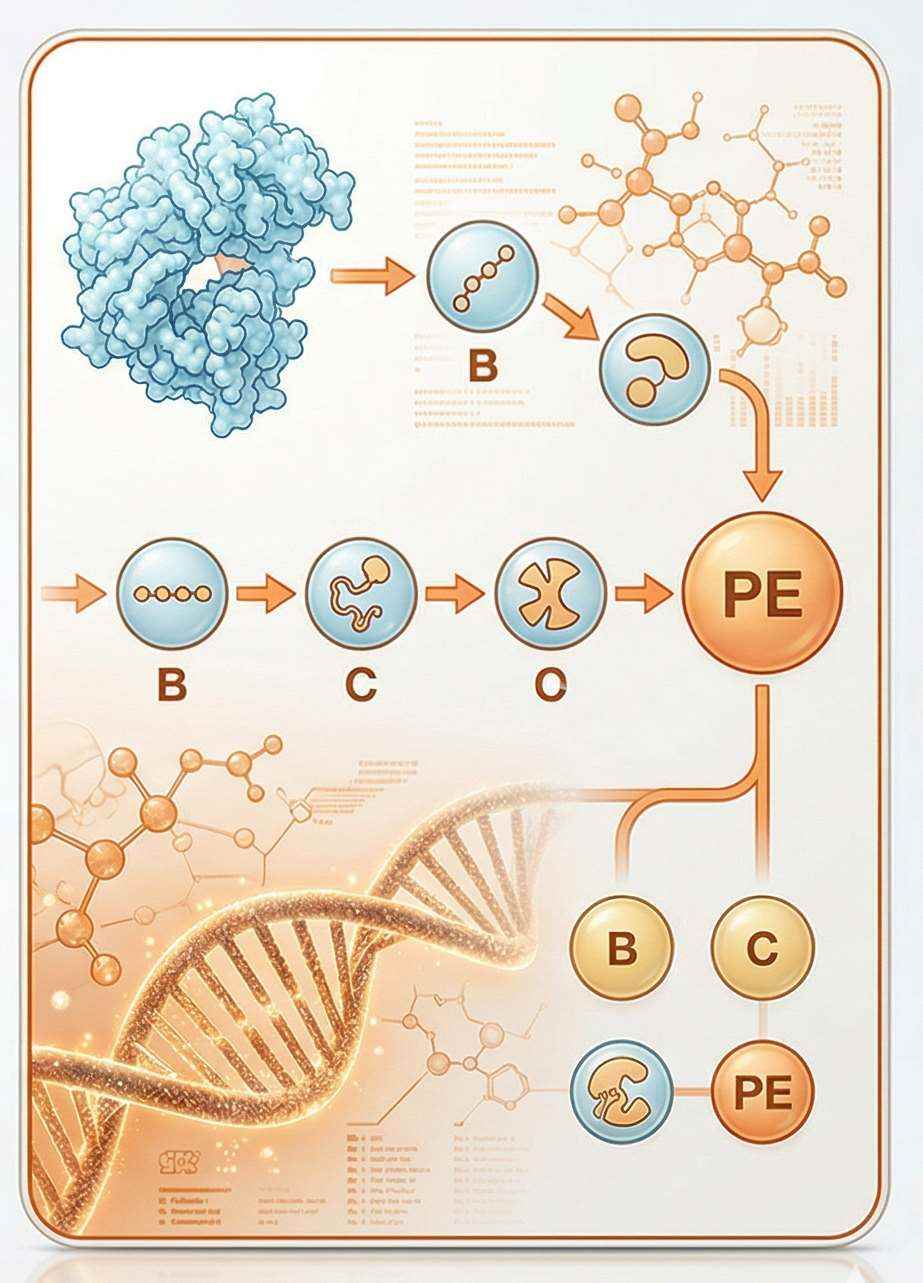
Recombinant Cascade Reagent (rCR) is a sustainable, animal-free, and highly sensitive technology for bacterial endotoxin testing (BET). It replicates the natural LAL cascade using recombinant Factor C, B, and proclotting enzyme to specifically detect gram-negative bacterial endotoxins. The rCR assay exhibits broad sensitivity and recapitulates the complete three-factor enzyme cascade of natural LAL. This ensures enhanced compatibility with established spectrophotometric and turbidimetric methodologies.
Endotoxin testing regulatory compliance focuses on ensuring parenteral products are pyrogen-free, governed by harmonized standards (USP <85>, EP 2.6.14, JP 4.01). Key updates emphasize sustainability, with USP implementing Chapter <86> for non-animal recombinant reagents (rFC / rCR) and incorporating guidance for these methods in USP <1085>.
Our products are benchmarked against the highest industry standards to ensure laboratory reliability:
Our kinetic assays reach detection limits of 0.001 EU/mL, allowing for high Maximum Valid Dilutions (MVD).
Optimized buffer systems neutralize pH shifts and common inhibitors like EDTA or heparin.
We maintain a coefficient of variation < 10% across production lots, ensuring that your standard curves remain consistent month after month.
Fully compatible with software that meets regulatory compliance.
Creative Biolabs provides a comprehensive portfolio of endotoxin testing kit products, ranging from traditional LAL-based assays to recombinant alternatives. By focusing on lot-to-lot stability, high sensitivity, and global pharmacopeial compliance, we empower your laboratory to ensure the highest levels of patient safety and regulatory success. Contact us for more information.
Yes, but you must perform a method suitablity test (validation) for your specific product matrix. Our team can provide protocols to make this transition easy.
Yes, most of our kits come with CSE that is matched to our specific lysate lots, ensuring the labeled sensitivity is accurate.
Inhibition is often solved by dilution or pH adjustment. We offer specialized reconstitution buffers designed to neutralize common interfering substances.
Our kinetic kits are compatible with most standard 96-well microplate readers capable of reading at 405 nm or 340 nm.
Reference

 Contact Us