
 Contact Us



Therapeutic antibodies, including monoclonal antibodies, bispecific antibodies, and antibody-drug conjugates (ADCs), represent the vanguard of modern biopharmaceuticals. These molecules are engineered to bind with high specificity to target antigens, making them indispensable for treating oncology, autoimmune disorders, and infectious diseases. Therefore, ensuring these products are free from pyrogenic impurities is critical for the therapeutic index and patient safety.
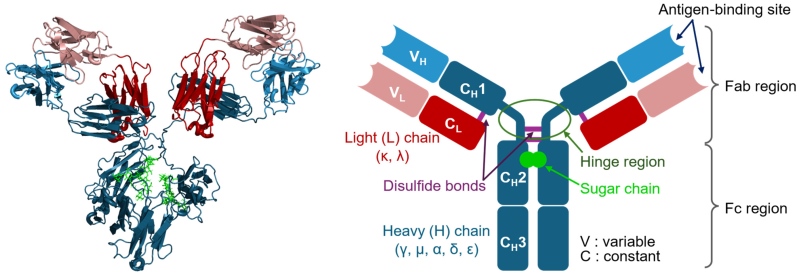 Fig.1 The structure of IgG antibody.1, 3
The core requirements for the bacterial endotoxins test (BET) are established by major international pharmacopoeias to ensure consistency across markets:
In many antibody formulations, the combination of surfactants and buffers causes a structural rearrangement of LPS. The endotoxin molecules are drawn into the protein-surfactant micelles, preventing them from reacting with the testing reagents. Endotoxins often bind directly to the antibody surface via electrostatic or hydrophobic interactions, complicating their detection and removal. These hurdles often stem from the complex biochemical nature of the antibodies themselves, and the sophisticated formulations required to stabilize them.
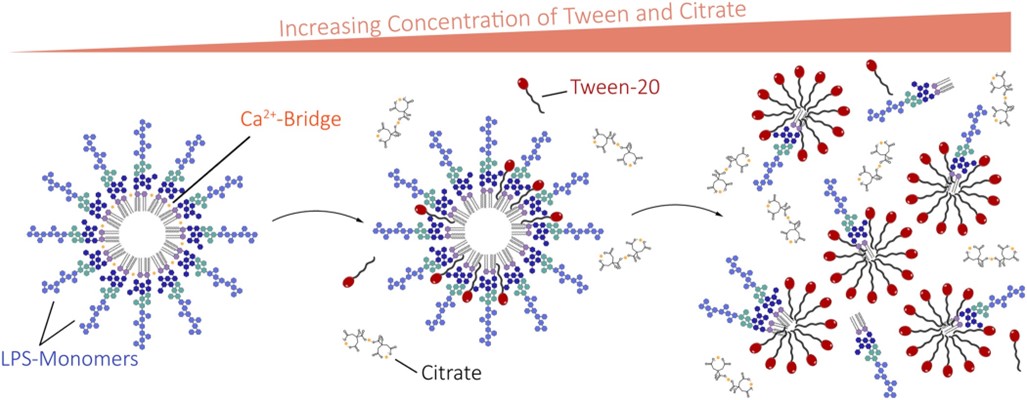 Fig.2 Schematic process of LPS masking.2, 3
Creative Biolabs employs a multi-tiered approach to ensure comprehensive pyrogen control:
We utilize animal-free rFC assays to eliminate false positives from beta-glucans, providing high specificity for Gram-negative endotoxin.
To bridge the gap in human safety, our MAT uses human immune cells to detect both endotoxins and non-endotoxin pyrogens and provide a superior predictor of human fever response.
For formulations prone to LER, we implement specialized dissociation techniques using Arginine or charge-neutralization at specific isoelectric points to free bound endotoxins for accurate quantification.
We conduct longitudinal stability studies to ensure endotoxin remains detectable throughout your product's shelf life.
Creative Biolabs provides industry-leading endotoxin testing for antibody products, combining traditional LAL excellence with cutting-edge rFC and MAT technologies. We specialize in overcoming LER and protein association challenges to ensure your biotherapeutics are safe for clinical use. Contact us to assist with your specific testing requirements and regulatory strategy.
We use validated demasking agents to disrupt the micellar structures that hide endotoxins, ensuring they are fully accessible for detection by our high-sensitivity assays.
Yes, in most regulatory jurisdictions, the MAT is the preferred in vitro alternative for detecting a broad spectrum of pyrogens while adhering to animal welfare standards.
The rFC assay is highly standardized, eliminates the lot-to-lot variability of crab-derived reagents, and provides equivalent or superior sensitivity.
Reference
 Contact Us