Pyrogen Testing Kits
Introduction Pyrogens Pyrogen Testing Methods Pyrogen Testing Kits Our Product Features Contact UsFAQs
Introduction
Pyrogen testing kits are indispensable tools in pharmaceutical quality control, ensuring that injectable biopharmaceuticals, vaccines, and medical devices remain free of fever-inducing contaminants. Our pyrogen testing kits streamline clinical trial workflows, safeguard patient safety, and deliver compliant quality control data through advanced in vitro human monocyte activation mechanisms and high-throughput recombinant cloning technologies. Creative Biolabs provides the ultimate biosecurity barrier, enabling seamless acceleration of your batch release processes.
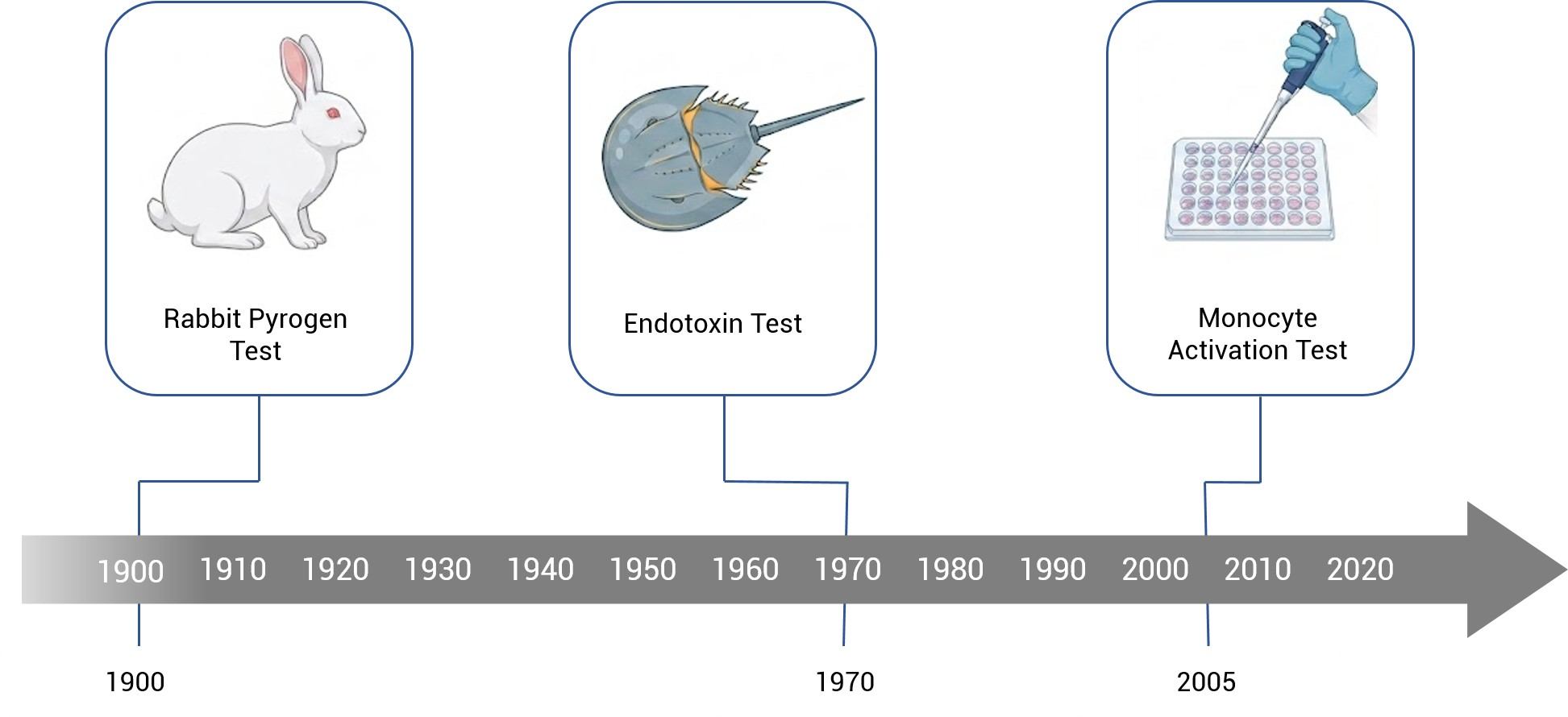 Fig.1 The development process of pyrogen testing methods.
Pyrogens
Pyrogens represent a highly heterogeneous spectrum of chemical and biological contaminants capable of triggering life-threatening febrile reactions, severe sepsis, and toxic shock when introduced into the human bloodstream. These substances are fundamentally classified into two major categories based on their cellular origin and surface receptor activation pathways.
Bacterial Endotoxins (LPS)
Originating exclusively from the outer lipopolysaccharide membrane of gram-negative bacteria, these heat-stable molecules are ubiquitous contaminants. Endotoxins target the cell-surface Toll-Like Receptor 4 (TLR4) pathway on host immune cells, initiating a potent pro-inflammatory intracellular signaling cascade.
Non-Endotoxin Pyrogens (NEPs)
This group includes diverse microbial and non-microbial substances that bypass traditional endotoxin-specific screening. When minimal traces of LPS and NEPs co-exist in a sample, they exert a synergistic potentiation effect, whereby their combined ability to trigger an immune response significantly exceeds the sum of their individual contributions. This presents a severe risk if NEPs remain undetected by narrow screening methods.
-
Gram-Positive Cell Wall Components: Substances such as Lipoteichoic Acid (LTA) and peptidoglycans that actively target cell-surface TLR2 receptors.
-
Viral Components: Molecular factors such as double-stranded RNA (dsRNA) that bind directly to intracellular endosomal receptors.
-
Fungal Matter: Contaminants like Zymosan that activate alternative immune signaling vectors.
-
Material-Mediated Pyrogens: Microscopic plastic fragments, chemical leachables, and packaging adjuvants shed from primary containers or elastomers during processing.
Pyrogen Testing Methods
Evolving regulatory frameworks require precise selection of an analytical method based on product matrix compatibility and environmental risk profiles. Four primary methodologies dominate modern bioanalysis.
An ex vivo assay utilizing horseshoe crab blood lysate to measure coagulation or color changes in the presence of gram-negative LPS. While highly sensitive, it suffers from a complete blind spot for NEPs and is frequently compromised by low endotoxin recovery masking effects.
An in vivo qualitative method that measures rectal temperature spikes in live rabbits. RPT is highly variable, prone to false negatives due to animal pyrogen tolerance and is legally banned across European jurisdictions.
The gold standard in in vitro pyrogen testing. By incubating human monocytes with the target sample, this method perfectly mimics the human innate immune response. If any pyrogen is present, the monocytes release pro-inflammatory cytokines (e.g., IL-6, IL-1β), which are then quantified via ELISA or bioluminescent reporter gene assays.
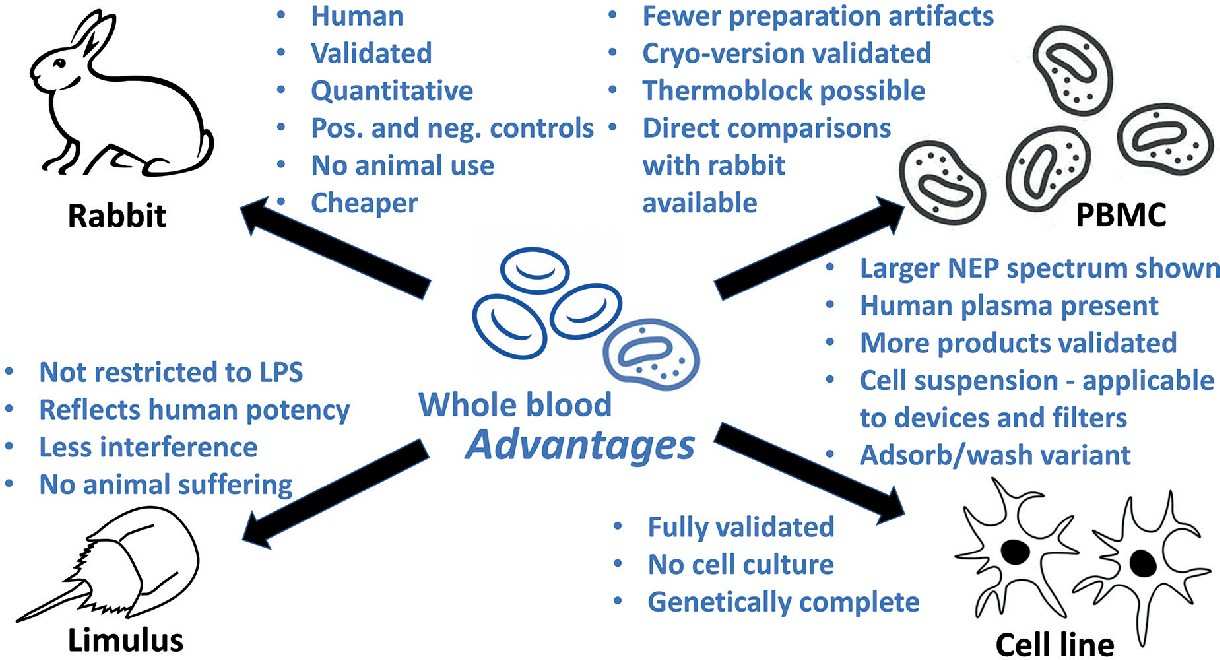 Fig.2 The different pyrogen testing methods.1
Pyrogen Testing Kits
Creative Biolabs commercializes ready-to-use pyrogen testing kits designed to convert complex cellular assays into rapid, reproducible and friction-free quality control protocols. Rather than requiring laboratories to manage separate blood donor logistics, isolate primary cells, or maintain continuous cell culture lines, our systems arrive as completely self-contained kits.
Each kit is pre-configured with pre-screened, pooled primary human monocytes or standardized monocytic cell lines, matrix-specific cell culture media, pre-coated high-specificity monoclonal antibody plates, and fully traceable reference standards, thereby eliminating batch-to-batch baseline variance.
Our Product Features
Our pyrogen testing kits integrate unique technical properties engineered for high-throughput precision. Available in sensitive ELISA formats and next-generation bioluminescent gene reporter configurations, our kits offer custom human-derived serum supplements that provide the optimal physiological environment required to test complex blood-derived fractions and plasma products, while eliminating animal-derived matrix interferences. Furthermore, our kits are engineered to bypass the Factor G coagulation pathway entirely, eliminating the expensive false-positive anomalies commonly encountered when testing cellulose-filtered biological samples.
Contact Us
Creative Biolabs provides high-performance pyrogen testing kits engineered to transition your quality control pipelines seamlessly into full pharmacopoeial compliance while safeguarding global patient safety. By replacing outdated animal models with high-sensitivity human monocyte pathways and synthetic recombinant cloning cascades, we eliminate LER masking effects and secure your manufacturing stream. Contact us for your needs.
FAQs
1. How do Creative Biolabs kits resolve Low Endotoxin Recovery (LER) issues?
LAL assays are highly susceptible to LER because surfactants and chelators mask the endotoxin, preventing it from binding to horseshoe crab proteins. Creative Biolabs' Monocyte Activation Test (MAT) kits utilize human cell-surface and endosomal receptors that accurately track true biological activity, identifying when masked endotoxins or synergistic non-endotoxin pyrogens remain active against human tissue.
2. Do your kits comply with the latest European Pharmacopoeia mandates?
Yes. Our kits are fully optimized and validated in strict accordance with Ph. Eur. Chapter 2.6.30 (Monocyte Activation Test), Chapter 2.6.32 (rFC Test), and the risk management criteria of Chapter 5.1.13, ensuring complete global regulatory alignment.
3. Can these kits be used for direct testing on solid medical devices?
Yes. Creative Biolabs' fluidic monocyte suspensions are designed for direct incubation on the physical surfaces of solid devices, eluates, and filters, achieving maximum pyrogen recovery.
Reference
-
Osler, William, and Dean Rusk. "Pyrogen testing revisited on occasion of the 25th anniversary of the whole blood monocyte activation test." Altex 38.1 (2021): 003-019. Distributed under Open Access license CC BY 4.0, without modification. https://doi.org/10.14573/altex.2101051



 Add to Cart