- Home
- Resources
- Featured Solutions
- Universal Therapeutic Conjugate (UTC) Development Solution
- Antibody-Antibiotic Conjugate (AAC) Development Solution
What is an Antibody-Antibiotic Conjugate?
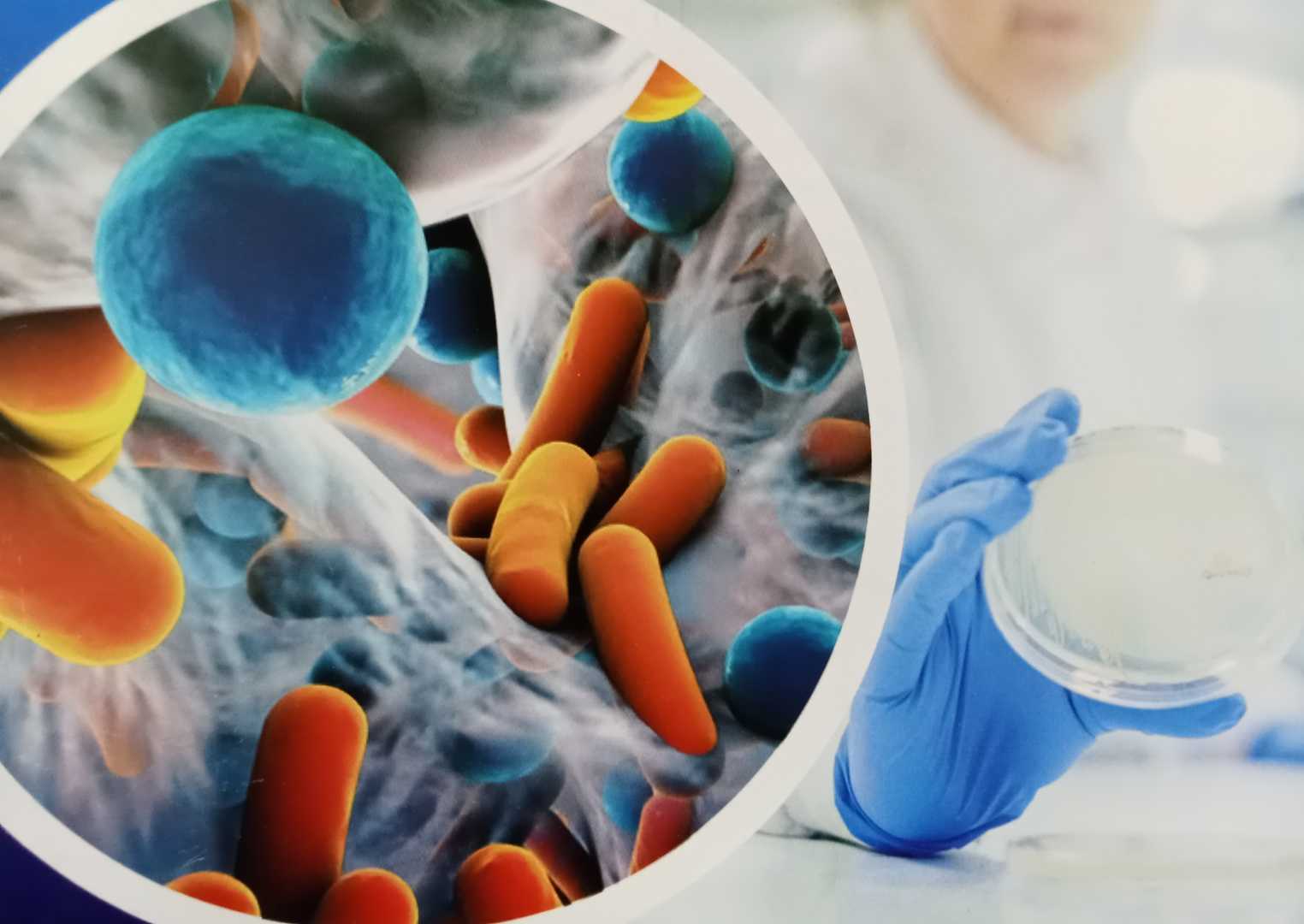
Antibody-Antibiotic Conjugates (AACs) are an innovative class of targeted antibacterial therapies inspired by the success of Antibody-Drug Conjugates (ADCs) in oncology. An AAC consists of a highly specific monoclonal antibody (mAb) linked to a potent antibiotic payload via a carefully designed chemical linker.
The core advantage of this design is the antibody's ability to precisely identify and bind to specific antigens on the bacterial surface, thereby delivering a high concentration of the antibiotic directly to the site of infection for targeted pathogen elimination.
- Target Selection: Crucial to select a surface antigen exclusively expressed on the target pathogen.
- Antibody Affinity: Must have sufficient affinity to bind the target effectively without impairing tissue penetration.
- Linker Stability: Must remain stable in circulation but be efficiently cleaved at the target site.
- Antibiotic Choice: The ideal antibiotic should possess potent bactericidal activity.
- Pharmacokinetics (PK/PD): The stability, clearance, and biodistribution of the AAC are critical for efficacy and safety.
Key Challenges We Address for You
As the threat of antibiotic-resistant strains grows, conventional antibiotic development faces significant hurdles. Creative Biolabs' AAC development platform is designed to help clients overcome these challenges by focusing on core problems:
Through targeted delivery, we significantly increase local drug concentration at the infection site while reducing systemic toxicity.
AACs can deliver novel or conventional antibiotics, bypassing existing bacterial resistance mechanisms and even "reviving" antibiotics previously shelved due to toxicity or resistance.
We provide a seamless, integrated one-stop service from antibody to AAC molecule, saving you valuable time and resources.
AACs utilize antibody specificity to target multiple pathogenic bacteria, and the platform enables co-delivery of antibiotics with diverse mechanisms, effectively tackling mixed infections and covering a broader pathogen spectrum.
Our Detailed Service Offerings
Antibody Discovery Services for Bacterial Infection
High-Affinity Antibody Screening
Using technologies like phage display, hybridoma, and single B cell cloning, we discover high-affinity, high-specificity monoclonal antibodies against surface antigens of bacteria such as Staphylococcus aureus, Pseudomonas aeruginosa, and Acinetobacter baumannii.
Linker Design and Antibiotic Synthesis
Linker Design and Synthesis
We offer custom design and synthesis of both cleavable (e.g., cathepsin B-sensitive, pH-sensitive) and non-cleavable linkers to ensure AAC stability in circulation and efficient payload release at the target.
Antibiotic Synthesis
With robust organic synthesis capabilities, we can synthesize a wide range of antibiotics, including but not limited to rifamycins, vancomycin, and quinolones, and can perform chemical modifications to facilitate conjugation.
Antibody-antibiotic Conjugation
Advanced Conjugation Technologies
We employ advanced site-specific and non-site-specific conjugation technologies (e.g., lysine, cysteine conjugation) to precisely control the drug-to-antibody ratio (DAR) and produce homogeneous, high-quality AAC molecules.
AAC In Vitro & In Vivo Analysis
AAC in vitro Analysis
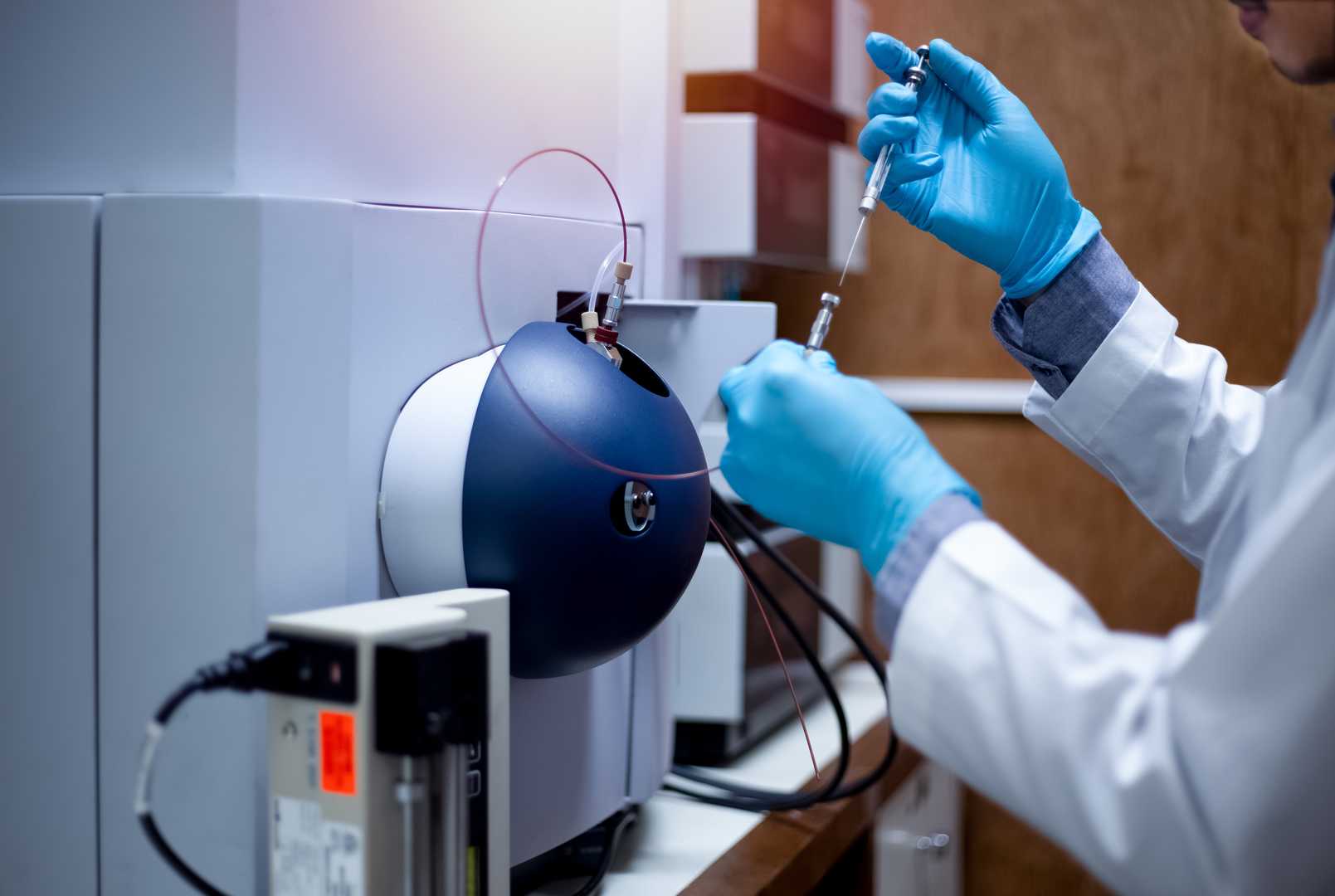
We provide comprehensive in vitro evaluation services, including affinity measurement (SPR/BLI), stability analysis, DAR determination, minimum inhibitory concentration (MIC) testing, cytotoxicity assays, and serum stability studies.
AAC in vivo Analysis
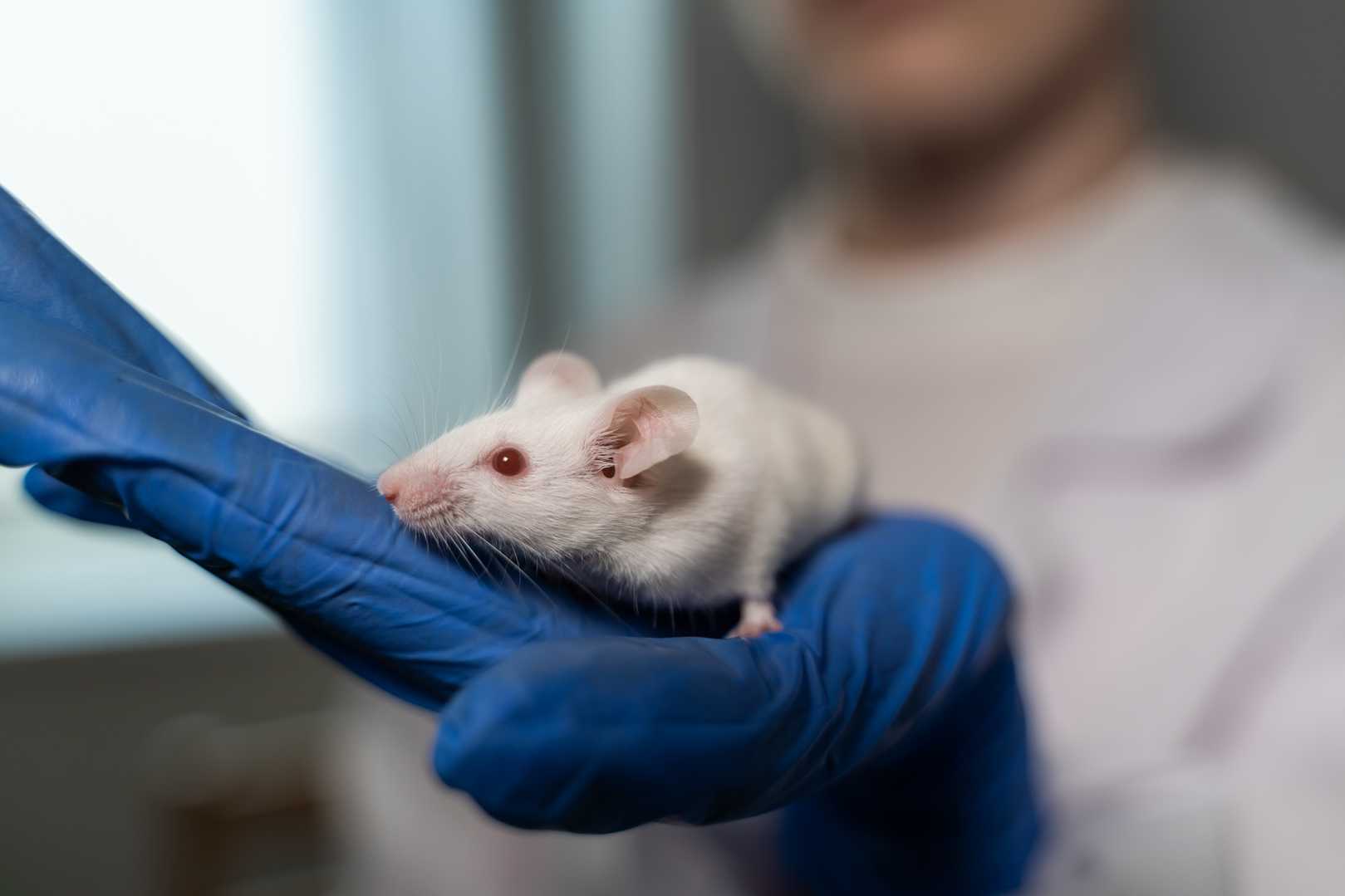
Using various animal infection models (e.g., sepsis, pneumonia, skin infection models), we assess the in vivo efficacy, pharmacokinetics (PK), biodistribution, and safety of AACs.
Our Platforms & Technologies
Our Service Workflow
Our AAC development workflow is meticulously designed to ensure projects proceed efficiently and transparently.
Consultation
Development
Synthesis
Conjugation
Evaluation
Delivery
Project Initiation & Consultation
Discuss your project goals, targets, and specific requirements with our team of experts.
Antibody Development & Production
Screen and produce high-specificity monoclonal antibodies based on target characteristics.
Linker & Payload Selection/Synthesis
Design and synthesize the optimal linker and antibiotic payload.
Conjugation & Purification
Conduct small-scale conjugation tests to optimize conditions, followed by scale-up production and high-efficiency purification.
In Vitro & In Vivo Evaluation
Comprehensively analyze the physicochemical properties, biological activity, efficacy, and safety of the AAC.
Data & Report Delivery
Provide detailed experimental data, analysis results, and a final project report.
Why Choose Creative Biolabs?
Extensive Experience
Over a decade of experience in antibody drug development with hundreds of successful projects delivered.
One-Stop Solution
From concept to preclinical candidate, we cover every stage of AAC development.
Cutting-Edge Technology
Access to advanced site-specific conjugation technologies ensures product homogeneity and consistency.
Highly Customizable
Our services are fully tailored to meet your specific research objectives.
Scientific Rigor
Our expert team provides high-quality, reproducible data and offers full technical support.
Creative Biolabs Trusted by Leading Researchers










What Our Clients Say
Case Studies
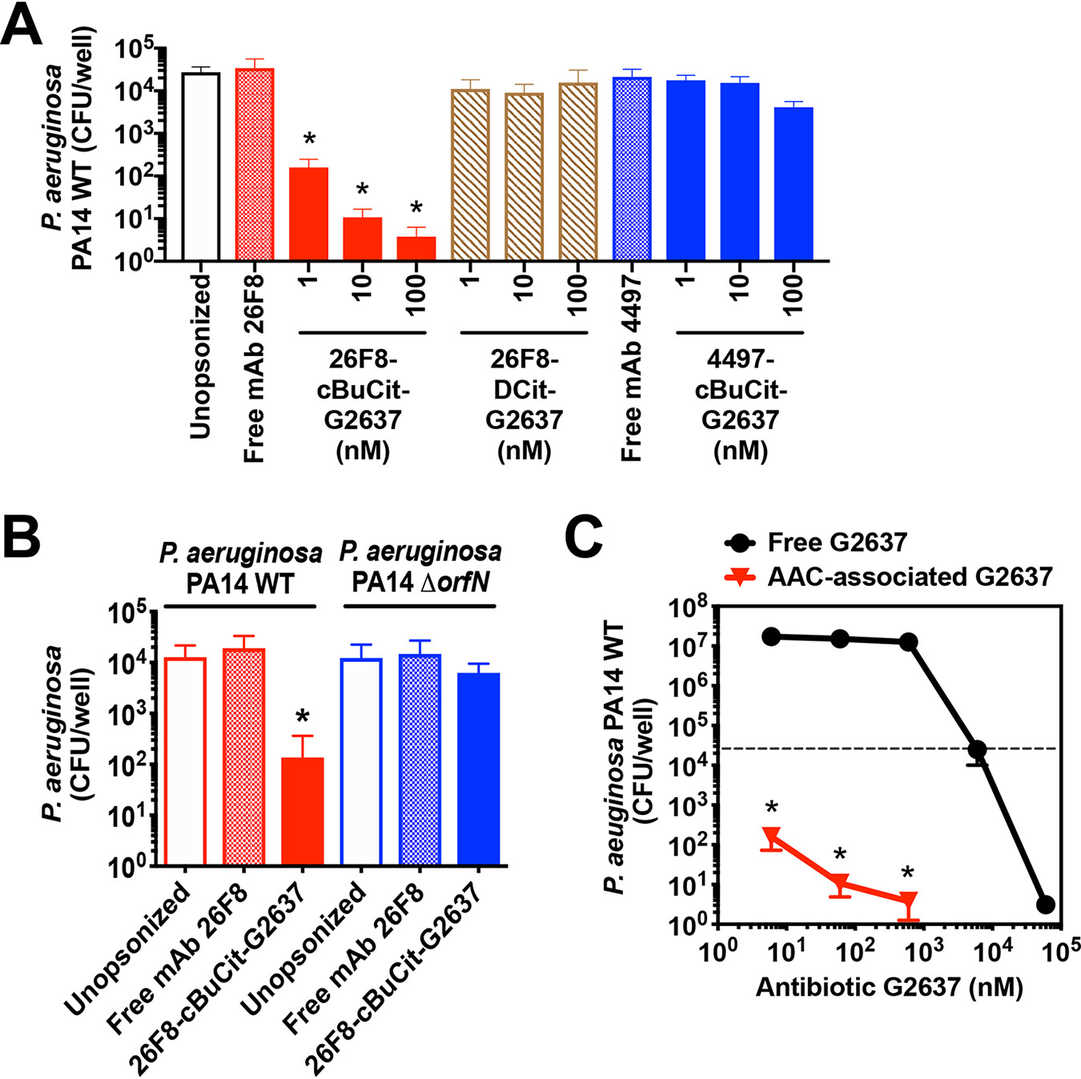
AAC for Potent Killing of P. aeruginosa
Background: P. aeruginosa causes life-threatening, antibiotic-resistant infections and is classified as a "critical threat" by the WHO.
Objective: Develop an AAC to concentrate a potent antibiotic intracellularly within macrophages where the bacteria reside.
Methods: A specific monoclonal antibody (MAb26F8), which binds to the LPS O antigen of the bacterium, was conjugated to the antibiotic G2637 via a cathepsin-cleavable linker, achieving a DAR of approximately 6.
Findings: The resulting AAC successfully delivered a high concentration of G2637 into macrophages, effectively killing intracellular P. aeruginosa with a dose approximately 100 times lower than the free drug.
Conclusion: This study demonstrates that the AAC approach offers new hope for combating tough, drug-resistant infections.
Frequently Asked Questions
How long does it typically take to develop an AAC?
The project timeline depends on several factors, including whether an antibody is already available. A full project, from antibody discovery to a preclinical candidate, typically takes 9 to 15 months. If you already have a candidate antibody, the timeline can be significantly shorter.
What types of antibiotics can you work with?
We have experience handling a wide variety of antibiotics, including but not limited to rifamycins, vancomycin, fluoroquinolones, and aminoglycosides. Our chemistry team can also synthesize or modify specific antibiotic molecules based on your requirements.
What is the difference between site-specific and non-site-specific conjugation?
Non-site-specific conjugation (e.g., via lysine residues) results in a heterogeneous mixture with varying DARs, which can affect efficacy and stability. Site-specific conjugation allows for precise control over the conjugation site and DAR, yielding a homogeneous AAC product with better predictability and batch-to-batch consistency. We generally recommend site-specific conjugation but will provide the best advice based on your specific goals and budget.
How do you ensure the stability of the AAC in circulation?
We ensure stability in two main ways: first, by selecting an appropriate linker that is resistant to cleavage at physiological pH (~7.4) in the blood; and second, by conducting comprehensive in vitro serum/plasma stability assays, incubating the AAC at 37 C for various time points and measuring its integrity using methods like HPLC or ELISA.
What do I need to provide to start a project?
Starting a project is very flexible. You can provide the target bacterium and antigen information for us to start from scratch, or you can supply your own antibody, antibiotic, or linker. Please contact our technical support team, and they will work with you to discuss and develop a detailed project plan.
For Research Use Only. NOT FOR CLINICAL USE.
Online Inquiry
Welcome! For price inquiries, please feel free to contact us through the form on the left side. We will get back to you as soon as possible.
