

Why Choose iPSC-Derived Hepatocytes for Liver Research?
The liver performs a broad range of essential functions, including xenobiotic metabolism, plasma protein synthesis, bile acid regulation, carbohydrate and lipid metabolism, ammonia detoxification, and immune-modulatory signaling. Because these functions are highly complex and tightly regulated, researchers often require human-relevant hepatic cell models that provide more biological context than simplified cell lines. iPSC-derived hepatocytes offer several advantages for this purpose.
- First, they provide a renewable source of human hepatic cells. Once a high-quality iPSC line is established, it can be expanded and differentiated repeatedly, supporting long-term research programs and multi-batch studies.
- Second, iPSC-derived hepatocytes preserve donor-specific genetic information. Cells generated from patients with inherited liver disorders can carry disease-causing variants, modifier alleles, and broader genetic backgrounds that may influence phenotype.
- Third, iPSC-derived hepatocytes can be integrated with genome editing. Creative Biolabs can support projects involving knockout, knock-in, point mutation correction, reporter insertion, or isogenic control generation.
- Fourth, these cells are compatible with a wide range of assay formats. Depending on project needs, iPSC-derived hepatocytes can be cultured in standard 2D monolayers, extracellular matrix-enhanced formats, sandwich cultures, micropatterned co-culture systems, spheroids, organoid-like liver models, and microfluidic platforms.
- Finally, iPSC-derived hepatocyte differentiation can be customized to emphasize specific functional endpoints.
Our Hepatic Differentiation Strategy
Creative Biolabs uses a stage-defined differentiation strategy that reflects key events in human hepatic development. Instead of treating hepatic differentiation as a single-step conversion, we guide cells through a controlled sequence of developmental transitions. This approach improves reproducibility and allows quality checkpoints to be incorporated at each stage.
- iPSC Quality Assessment and Culture Preparation - Before initiating a project, we evaluate cell morphology, growth behavior, pluripotency marker expression, mycoplasma status, viability after thawing, and available genetic or karyotype information. If needed, we can expand, bank, and stabilize iPSC cultures before differentiation.
- Definitive Endoderm Induction - The first major stage is the generation of definitive endoderm, the germ layer that gives rise to liver, pancreas, intestine, and other endodermal tissues. This stage is typically driven by high-activity nodal/activin signaling, often combined with Wnt pathway modulation and serum-free culture conditions. Successful definitive endoderm induction is monitored by markers such as SOX17, FOXA2, CXCR4, and GATA4.
- Hepatic Specification - After definitive endoderm formation, cells are guided toward hepatic endoderm using growth factor combinations that may include FGF and BMP pathway stimulation. Markers assessed during hepatic specification may include HNF4A, HNF1B, AFP, TBX3, PROX1, and ALB.
- Hepatoblast Expansion and Patterning - Hepatoblast-like intermediates are bipotential progenitor-like cells capable of giving rise to hepatocytes and cholangiocyte-like cells under appropriate conditions. In hepatocyte-focused projects, we bias cultures toward hepatocytic maturation while limiting biliary lineage drift. At this stage, we may adjust medium components, matrix support, oxygen tension, and cell density to promote robust hepatic progenitor expansion.
- Hepatocyte-Like Maturation - Maturation media may include hepatocyte growth factor, oncostatin M, dexamethasone, insulin-transferrin-selenium supplementation, cAMP modulators, thyroid hormone-related components, or other optimized factors depending on the project. Creative Biolabs can tailor maturation conditions to emphasize different endpoints.
- Optional Advanced Maturation Systems - For clients requiring higher physiological relevance, we can incorporate advanced culture formats.
Characterization and Functional Validation
A reliable iPSC-derived hepatocyte model requires evidence of both identity and function. Creative Biolabs provides a flexible characterization menu that can be adapted to different project budgets and endpoints.
| Characterization | Descriptions |
|---|---|
| Hepatic Identity Marker Analysis |
We can evaluate hepatic identity using immunocytochemistry, flow cytometry, qPCR, western blotting, ELISA, or transcriptomic profiling. Common markers include:
|
| Secretory Function | Albumin and urea secretion are frequently used as core indicators of hepatocyte-like function. Creative Biolabs can quantify secreted albumin and urea over time, normalize results to cell number or total protein, and compare treated versus untreated conditions. Time-course analysis can be included to evaluate functional maturation dynamics. |
| Metabolic Enzyme Activity | We can assess basal and induced activity of selected CYP enzymes using substrate-based assays, luminescence platforms, LC-MS-compatible workflows, or customized readouts. Induction conditions can include prototypical inducers depending on the enzyme and project design. |
| Glycogen Storage and Nutrient Handling | Mature hepatocyte-like cells should demonstrate aspects of hepatic nutrient metabolism. We can perform PAS staining for glycogen storage, lipid droplet staining, fatty acid uptake assays, glucose metabolism studies, and mitochondrial stress response assays. |
| Transporter Function and Polarity | We can assess transporter expression, substrate uptake, efflux activity, and canalicular network formation using fluorescence imaging or biochemical assays. |
| Disease-Relevant Assays | For disease modeling projects, we can build customized assays around relevant phenotypes. |
Applications of iPSC-Derived Hepatocyte Differentiation Services
-
Liver Disease Modeling
Patient-specific iPSC-derived hepatocytes provide a valuable platform for modeling inherited and acquired liver diseases. By differentiating iPSCs from disease donors, researchers can investigate molecular mechanisms, cellular phenotypes, and therapeutic responses in a human genetic context. -
Drug-Induced Liver Injury Research
iPSC-derived hepatocytes can be used to evaluate compound-associated hepatotoxicity, mitochondrial impairment, cholestatic stress, steatosis, oxidative damage, and apoptosis. While no in vitro model replaces the full complexity of the liver in vivo, carefully designed iPSC-derived hepatocyte systems can provide human-relevant early warning signals and mechanistic insight. -
Drug Metabolism and Pharmacokinetic Studies
Creative Biolabs can tailor iPSC-derived hepatocyte systems for early metabolism studies, enzyme induction evaluation, and transporter-related assays. Depending on required sensitivity and maturity, we can recommend standard 2D cultures, enhanced maturation systems, or co-culture formats. -
Gene Therapy and Genome Editing Evaluation
iPSC-derived hepatocytes can be used to evaluate gene therapy strategies targeting liver cells. Applications may include AAV vector testing, promoter evaluation, gene correction validation, RNA-based therapeutic assessment, and functional rescue studies. For genome editing projects, differentiated hepatocytes can help determine whether genetic correction restores disease-relevant function. -
Liver Organoid and 3D Model Development
For clients seeking more complex liver models, iPSC-derived hepatocytes can be incorporated into 3D systems with additional cell types or matrix support. Such models may better capture cell-cell communication, tissue-like architecture, chronic exposure response, and disease microenvironment features.
Customization Options
Our iPSC-derived hepatocyte differentiation service can be customized across input material, differentiation strategy, culture format, analytical endpoints, and final deliverables.
| Customization Options | Descriptions |
|---|---|
| Input Cell Options |
|
| Differentiation Output Options |
|
| Culture Format Options |
|
| Functional Assay Customization | We can design functional assay panels. |
Published Data
The growth factor and small molecule protocol are the two primary approaches for generating human induced pluripotent stem cell-derived hepatocyte-like cells (iPSC-HLCs). The researchers compared the efficacy of the growth factor and small molecule protocols across fifteen different human iPSC lines. Morphological assessment, relative quantification of gene expression, protein expression and proteomic studies were carried out. HLCs derived from the small molecule protocol showed a dedifferentiated, proliferative phenotype that is more akin to liver tumor-derived cell lines.
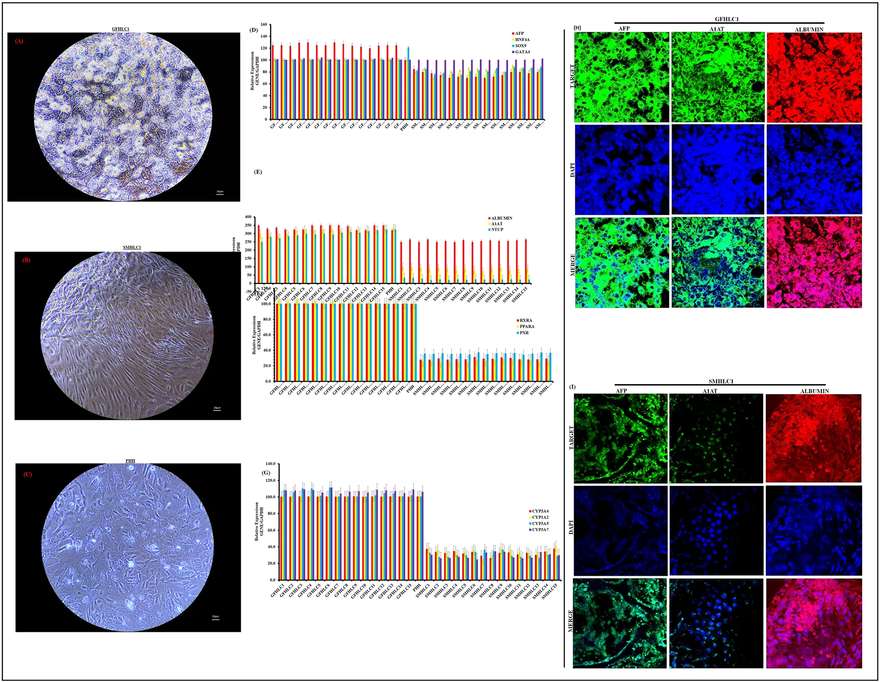 Fig. 1 Characterization of differentiated hepatocyte-like cells.1,3
The generation of iPSC-derived hepatocyte-like cells (HLCs) is a powerful tool for studying liver diseases, their therapy as well as drug development. In this study, the researchers optimized their previously published protocol by fine-tuning the initial cell number, exchanging antibiotics and basal medium composition and introducing the small molecule forskolin during the HLC maturation step. They thereby contribute to the liver research field by providing a simple, cost- and time-effective 2D differentiation protocol. They generate functional HLCs with significantly increased HLC hallmark gene (ALB, HNF4α, and CYP3A4) and protein (ALB) expression, as well as significantly elevated inducible CYP3A4 activity.
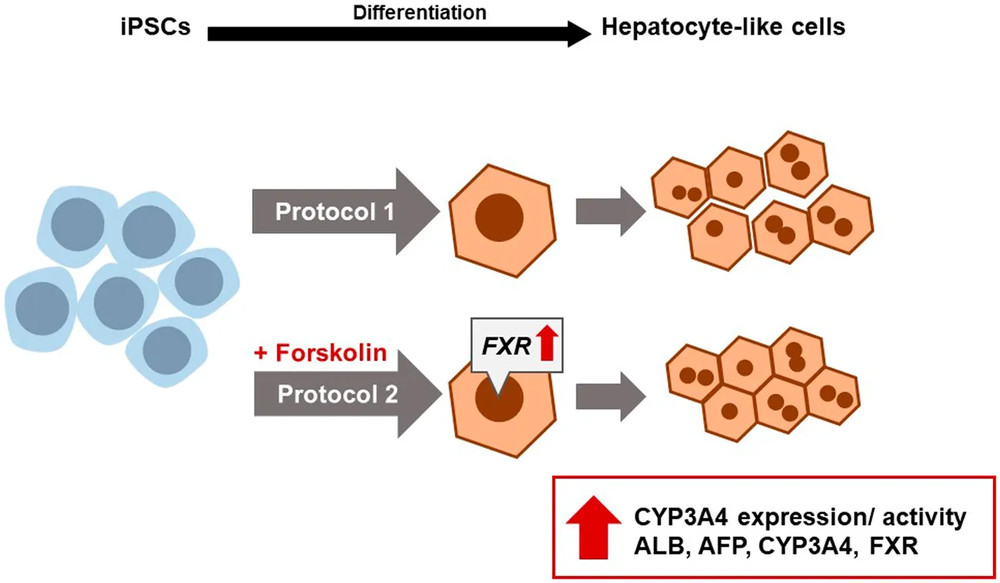 Fig. 2 Generation of iPSC-derived hepatocyte-like cells (HLCs).2,3
What Our Clients Say
"The iPSC line we provided was challenging to culture and showed variable growth after thawing. Creative Biolabs performed a careful recovery and expansion phase before starting hepatic differentiation. They kept us informed at each milestone and provided honest feedback about potential risks. The project ultimately produced hepatocyte-like cells with convincing marker expression and functional readouts, which allowed us to continue our disease modeling work without having to restart from a new cell source."
— Stem Cell Core Manager, University Research Center
"We appreciated that Creative Biolabs did not simply deliver differentiated cells. Their scientists took time to understand our biological question and recommended a customized maturation and characterization plan. For our application, they suggested adding CYP activity testing and transporter-related marker analysis, which turned out to be very helpful."
— Project Lead, Regenerative Medicine Research Program
"Our project required comparison of disease iPSC-derived hepatocytes with gene-corrected isogenic controls. Creative Biolabs clearly understood that matched handling and synchronized differentiation were critical for interpreting the results. They maintained both cell lines under comparable conditions and provided side-by-side analysis of hepatic identity markers, functional readouts, and disease-associated biomarkers."
— Director of Translational Biology, Biotechnology Company
"We approached Creative Biolabs because we needed an iPSC-derived hepatocyte system that could be integrated into our compound screening workflow. The team optimized the differentiation format for multiwell plates and helped us define practical assay readouts for hepatotoxicity evaluation. The cultures showed consistent morphology and were compatible with our viability, ATP, and imaging-based assays."
— Senior Scientist, Preclinical Safety Group
FAQs
Q: How mature are iPSC-derived hepatocytes compared with primary human hepatocytes?
A: iPSC-derived hepatocyte-like cells can display many hepatocyte-associated markers and functions, including albumin secretion, urea production, glycogen storage, lipid metabolism, and CYP activity. However, depending on the protocol and culture format, they may retain some fetal-like or immature features compared with adult primary hepatocytes. Creative Biolabs can improve functional maturity through optimized media, extended culture, extracellular matrix systems, 3D culture, co-culture, or application-specific maturation strategies.
Q: Can the differentiated hepatocytes be cryopreserved?
A: Cryopreservation feasibility depends on differentiation stage, cell maturity, project format, and intended downstream use. Creative Biolabs can develop cryopreservation and recovery protocols for selected projects. When cryopreserved cells are requested, we recommend including post-thaw viability and functional recovery testing.
Q: Can Creative Biolabs support hepatotoxicity assays using iPSC-derived hepatocytes?
A: Yes. We can develop hepatotoxicity assay systems using iPSC-derived hepatocytes in 2D or advanced culture formats. Readouts may include cell viability, ATP content, LDH release, apoptosis, mitochondrial dysfunction, oxidative stress, lipid accumulation, cholestatic injury markers, and compound-induced changes in hepatic function.
Q: Do you provide gene-edited iPSC-derived hepatocytes?
A: Creative Biolabs can support projects involving gene-edited iPSC lines, including knockout, knock-in, point mutation correction, and reporter insertion strategies. After editing and clone validation, selected iPSC clones can be differentiated into hepatocyte-like cells for functional comparison.
Q: What is the typical project timeline?
A: The timeline depends on the starting material, iPSC quality, differentiation format, scale, and validation requirements. A straightforward differentiation project from a healthy, well-characterized iPSC line may proceed more quickly than a multi-line disease modeling project requiring optimization and advanced functional assays. Creative Biolabs provides a project-specific timeline after reviewing your cell line and study objectives.
Q: Can the service be customized for publication-oriented studies?
A: Yes. We can design differentiation and characterization packages that generate publication-supportive data, including representative images, marker expression analysis, functional assay summaries, statistical comparisons, and detailed methods descriptions. Custom figure preparation and raw data organization can also be discussed.
Take the Next Step with Creative Biolabs







1. Contact Us
via the Inquiry Form or Email
2. Define Your Needs
Cell Type, Function, Quantity, Modifications
3. Kickstart the Project
Our Expert Team Guiding Every Step
iPSC-derived hepatocyte technology provides a renewable, human-relevant, and customizable platform for modern liver research. Whether you are building a disease model, evaluating hepatotoxicity, studying drug metabolism, validating a gene therapy strategy, or developing advanced hepatic culture systems, Creative Biolabs can help transform your iPSC lines into application-ready hepatocyte-like cells.
Creative Biolabs is committed to delivering scientifically rigorous, flexible, and application-focused iPSC-derived hepatocyte differentiation services. Contact us today to discuss how our hepatic differentiation platform can support your next research program.
References
- Asumda, Faizal Z., et al. "Comparative analysis of small molecule and growth factor-derived human induced pluripotent stem cell-derived hepatocyte-like cells." Frontiers in cell and developmental biology 13 (2025): 1594340. https://doi.org/10.3389/fcell.2025.1594340
- Loerch, Christiane, et al. "Forskolin induces FXR expression and enhances maturation of iPSC-derived hepatocyte-like cells." Frontiers in Cell and Developmental Biology 12 (2024): 1383928. https://doi.org/10.3389/fcell.2024.1383928
- Distributed under Open Access license CC BY 4.0, without modification.