- Home
- Resources
- Featured Solutions
- One-Stop ADC Development Solution
- ADC In Vitro Analysis Solution
- ADC In Vivo Analysis Solution
Why In Vivo Analysis is Essential for ADC's Success
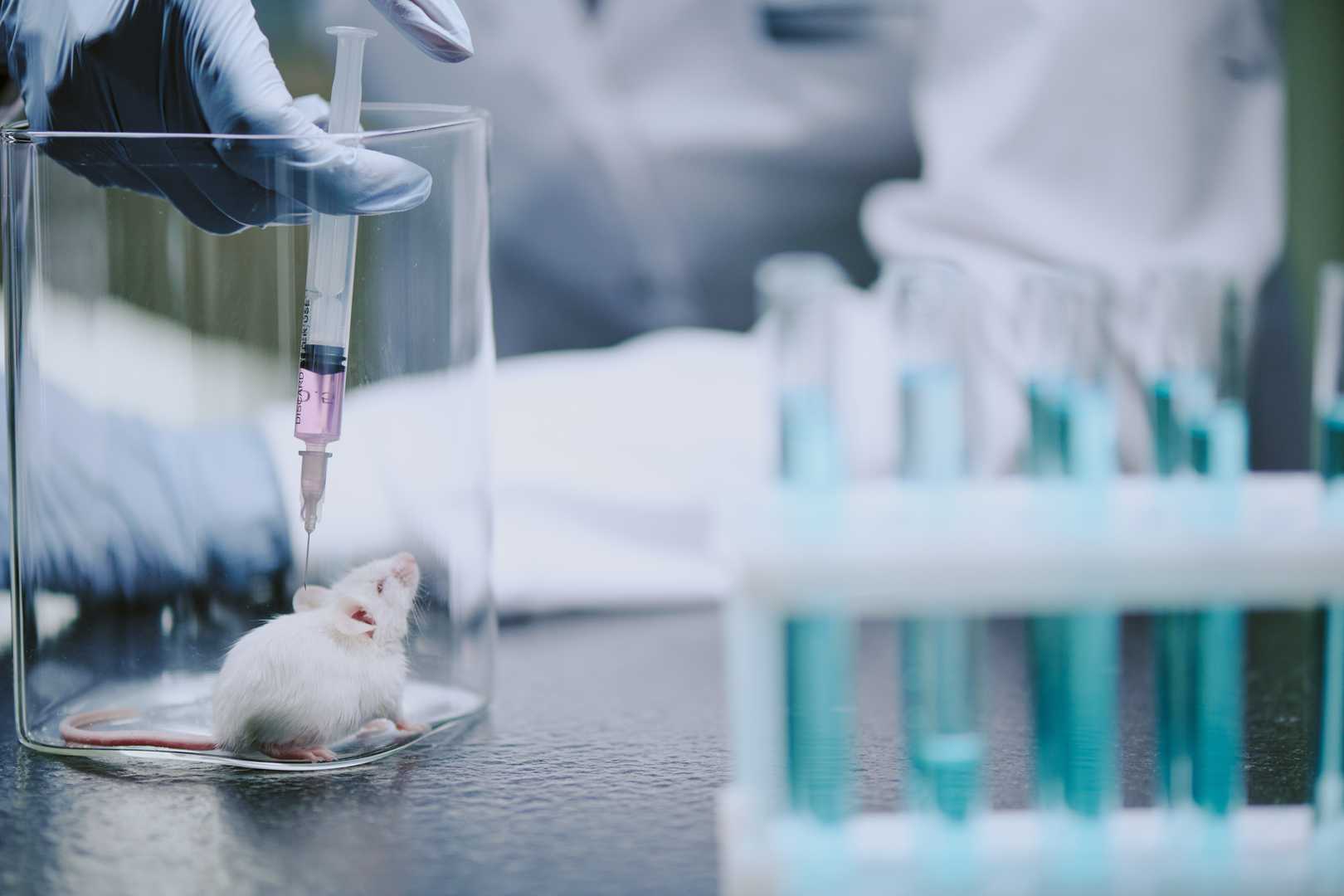
An Antibody-Drug Conjugate (ADC) is a complex, precision-targeted therapeutic whose success hinges on its in vivo behavior. in vivo analysis serves as the critical bridge between early-stage discovery and clinical trials, simulating the complete lifecycle of a drug within a complex, living biological system.Key Challenges We Address:
Complex Pharmacokinetics (PK/PD)
Comprising an antibody, a linker, and a cytotoxic payload, an ADC's metabolic and distribution profile is far more intricate than that of small molecules or monoclonal antibodies.
Risk of Off-Target Toxicity
Premature release of the cytotoxic payload in non-tumor tissues can lead to severe adverse effects.
Immunogenicity
The body may recognize the ADC as foreign, generating anti-drug antibodies (ADAs) that can compromise efficacy and cause adverse reactions.
Appropriate Model Selection
Choosing an animal model that accurately reflects human disease pathology is paramount for generating reliable and translatable data.
Comprehensive In Vivo Solutions for ADC Evaluation
Creative Biolabs is dedicated to helping clients systematically answer the most critical questions in ADC development:
- Is your ADC effective? We evaluate its tumor growth inhibition capacity in highly relevant animal models.
- Is your ADC safe? We conduct comprehensive assessments of its potential toxicity to determine the maximum tolerated dose.
- How does your ADC behave in vivo? We perform in-depth analysis of its pharmacokinetic profile to inform clinical dosing regimens.
- Will your ADC trigger an immune response? We measure its immunogenic risk to predict its performance in humans.
Our Core Service Offerings
ADC Pharmacokinetics (PK) Characterization
Using state-of-the-art LC-MS and ELISA platforms, we precisely measure key PK parameters, including concentrations of total antibody, conjugated ADC, and free payload, as well as half-life, clearance, and bioavailability. This helps you understand the exposure-response relationship and optimize dosing regimens.
ADC Safety & Toxicology Assessment
We conduct comprehensive safety and toxicology studies in relevant animal models under GLP-compliant conditions. Services include maximum tolerated dose (MTD) studies, dose-range finding toxicology, and full GLP-compliant toxicology packages to provide critical data for your IND submission.

ADC In Vivo Efficacy Evaluation
We offer a vast portfolio of over 200 validated cell-line derived xenograft (CDX) models and various patient-derived xenograft (PDX) models, covering both hematological and solid tumors. These highly relevant disease models allow for a direct assessment of your ADC's ability to inhibit tumor growth, often benchmarked against standard-of-care therapies.
ADC Immunogenicity Analysis
Immunogenicity is a critical risk factor in ADC development. We provide a full suite of services to assess it, including screening, confirmation, and titration of anti-drug antibodies (ADAs), as well as neutralising antibody (NAb) detection, to help you fully evaluate and manage the immune risk of your ADC.
Advanced Technologies for Precise In Vivo Insights
Sophisticated Animal Model Platform
Beyond standard CDX and PDX models, we can establish humanized immune system mouse models. These are ideal for accurately simulating the interaction between an ADC and the human immune system, especially for evaluating immunogenicity and immune-related toxicity.
High-Sensitivity Bioanalysis Technologies
We integrate Liquid Chromatography-Mass Spectrometry (LC-MS/MS) with Ligand Binding Assays (LBA), such as ELISA and MSD. This dual capability allows for the specific and highly sensitive quantification of different ADC components (total antibody, conjugated ADC, free payload) simultaneously.
Multimodal In Vivo Imaging
Using non-invasive imaging modalities like Bioluminescence (BLI) and Fluorescence (FLI), we can track tumor growth, regression, and drug distribution in real-time, providing more intuitive and dynamic data for efficacy and PK studies.
Our Streamlined Workflow: From Study Design to Final Report
Design
Model
Execution
Analysis
Interpretation
Reporting
Consultation & Study Design
Engage in a one-on-one discussion with our Ph.D.-level experts to review your project goals. We then co-design a scientific, robust, and highly customized in vivo study plan.
Model Selection & Establishment
We recommend the most suitable animal model based on your ADC's target and indication, followed by efficient model establishment in our AAALAC-accredited facilities.
Dosing & Sample Collection
Our experienced technicians perform dosing with precision according to the approved protocol and collect blood, tissue, and other biosamples at predefined time points.
Bioanalytical Testing
Samples are processed and analyzed rapidly and accurately using our high-throughput technology platforms.
Data Analysis & Interpretation
We perform professional statistical analysis on the raw data, and our scientific team provides in-depth interpretation of the biological significance behind the numbers.
Final Report & Delivery
You receive a comprehensive, IND-ready study report containing all methods, data, and conclusions. We also schedule a wrap-up meeting to address all your questions.
Why Partner with Creative Biolabs for ADC In Vivo Studies?
Unrivaled Expertise
Our core team consists of scientists with over 10 years of focused experience in the ADC field, possessing a deep understanding of their complex biology.
One-Stop Solution
We provide an integrated suite of preclinical in vivo services—from PK/PD and efficacy to safety—saving you the time and effort of coordinating with multiple vendors.
Fully Customized Services
We reject one-size-fits-all approaches. Every project is tailored to your specific candidate, target, and research objectives.
State-of-the-Art Platforms
We continuously invest in cutting-edge technologies and equipment to ensure we deliver the most accurate and reliable data.
Rigorous Quality Assurance
We operate under strict SOPs and a robust quality control system. Studies can be conducted under GLP conditions to ensure data integrity and traceability.
Antibody Solutions Trusted by Leading Researchers









What Our Clients Say
Case Studies
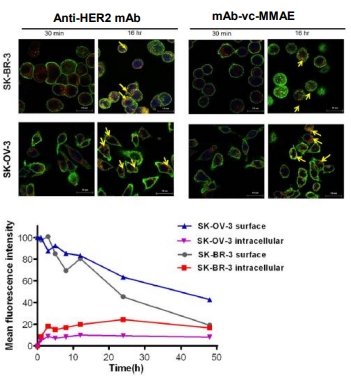
Antibody Internalization Assay
With the success of these case studies, various approaches have been proven helpful in detecting internalization efficiency and are elucidated in this brochure.
- Case 1: Internalization of anti-HER2 mAb-vc-Toxin
- Case 2: Trafficking of anti-HER2 mAb and anti-HER2 mAb-vc-MMAE
- Case 3: Internalization kinetics of anti-Trop mAb-vc-auristatin
Anti-HER2 ADC Preparation & Potency Evaluation
This case study delves into key aspects such as optimized strategies for HER2 antibody selection, linker-payload conjugation techniques, in vitro and in vivo potency assessment data, and solutions to challenges encountered during development.
- Introduction
- Materials and Methods
- Results
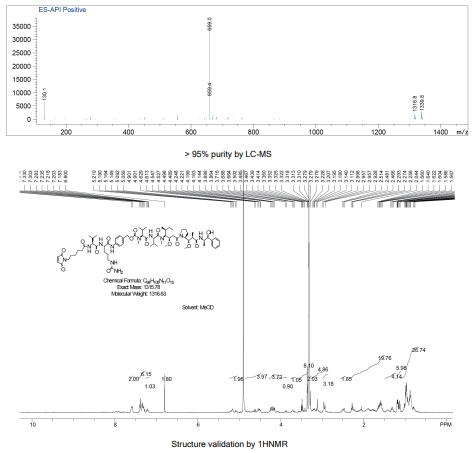
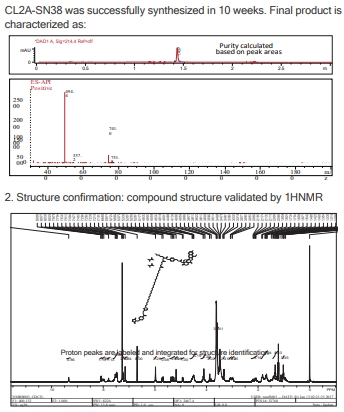
Custom Synthesis of ADC Linker-payload SET
Presented here is a case study for the synthesis of two customized payload-linker complexes via the "DrugLnk" organic synthesis services, ranging from traditional payloads to novel warheads.
- Introduction
- SN38: a novel payload for ADC development
- Case 1: Mc-vc-PAB-SN38
- Case 2: CL2A-SN38
FAQ about ADC In Vivo Services
What types of animal models do you use for ADC in vivo studies?
We offer an extensive selection of models, including various cell-line derived xenografts (CDX), patient-derived xenografts (PDX), syngeneic models, and humanized immune system models for immunology research. We will recommend the most appropriate model based on your specific target and research goals.
Is my project information and data kept confidential?
Absolutely. We sign a strict Confidential Disclosure Agreement (CDA/NDA) with every client. All project data is stored on secure servers with access limited to core project members, ensuring the highest level of protection for your intellectual property.
How long does a typical in vivo efficacy study take?
The timeline depends on the model establishment time, dosing schedule, and study complexity. A standard CDX model efficacy study typically takes 6-8 weeks. We will provide you with a detailed timeline at the start of the project.
Can you customize a study protocol based on my specific needs?
Of course. Customization is one of our core strengths. Our scientists will work closely with you to design a protocol that perfectly aligns with your research objectives, whether it involves special dosing routes, non-standard sampling points, or unique analytical endpoints.
Featured Products

Featured Resources

For Research Use Only. NOT FOR CLINICAL USE.
Online Inquiry
Welcome! For price inquiries, please feel free to contact us through the form on the left side. We will get back to you as soon as possible.
