Creative Biolabs is offering the most comprehensive services for antibody development projects. With strict regulation and effective execution, we are dedicated to providing the most valuable solutions to complete your projects.
HighlightsCreative Biolabs is offering the most comprehensive services for antibody development projects. With strict regulation and effective execution, we are dedicated to providing the most valuable solutions to complete your projects.
HighlightsCreative Biolabs has established a broad range of platforms for developing novel antibodies or equivalents. These cutting-edge technologies enable our scientists to meet your demands from different aspects and tailor the most appropriate solution that contributes to the success of your projects.
HighlightsWith deep understanding in antibody-related realms and extensive project experience, Creative Biolabs offers a variety of references to help you learn more about our capacities and achievements, including infographic, flyer, case study, peer-reviewed publications, and all kinds of knowledge that can assist your projects. You are also welcome to contact us directly for more specific solutions.
HighlightsGet a real taste of Creative Biolabs, one of the most professional custom service providers in the world. We are committed to providing highly customized comprehensive solutions with the best quality to advance your projects.
HighlightsCreative Biolabs has extensive experience in producing monoclonal antibodies in hamsters. We offer top-tier hamster hybridoma antibody discovery services for generating high-quality monoclonal antibodies tailored to your specific research and development needs. Our core strengths lie in our ability to produce antibodies with high specificity, affinity, and unique characteristics, accelerating your projects, and maximizing your success.
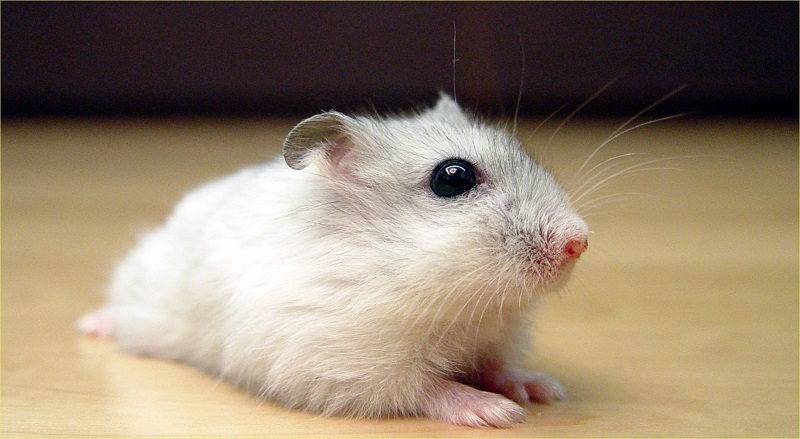 Distributed under CC BY-SA 3.0, from Wiki, without modification.
Hybridoma technology, a cornerstone of monoclonal antibody production, involves the fusion of antibody-producing B cells with immortal myeloma cells. While mouse and rat models are common, hamsters present a distinct advantage. The evolutionary proximity of rats and mice can sometimes limit the diversity of antibody responses. Being closely related, both species belong to the Muridae Murinae family and, as a result, share many conserved antigenic structures. This similarity can restrict the immune system's ability to recognize and mount responses against certain targets. To circumvent this limitation, immunizing evolutionarily more distant hamsters offers a strategic alternative. Hamster hybridoma cells, which secrete hamster monoclonal antibodies (mAbs), are produced by fusing mouse CTLs and their splenocytes with mouse myeloma cells. Furthermore, the hamster hybridoma serves as a valuable tool not only for antibody production but also for other research applications, including the study of hamster alloantigens, cloning the hamster Ig gene, and determining hamster Ig subclasses. This unique capability makes hamster hybridomas a powerful tool in antibody discovery.
Our Hamster Hybridoma Generation Service offers a comprehensive strategy for producing monoclonal antibodies. This process begins with immunizing hamsters and culminates in generating stable hybridomas that secrete high-affinity antibodies. A notable aspect of this service involves immunizing hamsters with hybrid cells, specifically fusions between mouse myeloma cells and Syrian or Armenian hamster spleen cells. These hybrid cells are designed to produce the desired specific antibodies. The resulting monoclonal antibodies (mAbs) are then screened using methods like indirect binding assays and CTL inhibition assays to ensure they meet the required specifications.
This stage involves tailoring the antigen to elicit the desired immune response, optimizing its immunogenicity, specificity, and presentation to the hamster's immune system. Various antigen formats, including recombinant proteins, peptides, and even cell lines, can be employed to ensure the most effective stimulation of antibody-producing B cells.
This stage employs advanced protocols and state-of-the-art facilities to immunize hamsters, effectively stimulating a robust and diverse antibody response. A range of immunization strategies and adjuvants may be utilized to enhance the immune response and maximize the yield of antigen-specific B cells.
Following immunization, we perform hybridoma generation and screening. Hybridoma generation involves the fusion of antibody-secreting B cells from the immunized hamsters with myeloma cells. This fusion creates hybridoma cells, which possess the antibody-producing capability of the B cells and the immortality of the myeloma cells. We utilize sophisticated cell fusion techniques, such as electrofusion, to create stable hybridomas. After successful fusion, a series of screening assays, including indirect binding assays and inhibition of CTL killing effect, are conducted. These assays identify hybridomas producing antibodies with the desired specificity and affinity. Notably, our previous projects have demonstrated that hamster hybridoma cell lines often exhibit stability after the first cloning, with subclones showing 100% activity. This stability suggests that multiple cloning cycles may not be necessary.
We offer a comprehensive suite of options for antibody production and purification. Techniques such as affinity chromatography and other methods are utilized to obtain highly purified antibodies. We also conduct thorough characterization to guarantee the final product's quality, specificity, and suitability for your intended applications. This characterization may involve assays to determine antibody affinity, specificity, cross-reactivity, and other relevant parameters. Furthermore, we offer additional services, such as amino acid sequencing, production of serological reagents, the definition of hamster Ig subclasses, and cloning of the hamster Ig gene, to provide a complete solution for our clients' needs. Antibodies derived from hamster hybridomas have the potential to recognize antigenic determinants that are conserved between mouse and rat but immunogenic in mouse-hamster combinations.
Hamster hybridoma-derived antibodies offer unique advantages that make them highly versatile across various research and development applications. Their reduced cross-reactivity with mouse and rat tissues makes them particularly useful in cross-species studies. They also excel in targeting conserved antigens that may not be immunogenic in other species. Furthermore, these antibodies are valuable in developing species-specific reagents, particularly for hamster research models. The unique specificities and low cross-reactivity also position them as promising candidates in therapeutic antibody development. Beyond these, they serve as essential tools in basic research, including chromatin immunoprecipitation, ELISA, fluorophore-linked immunosorbent assay, immunocytochemistry, etc., aiding in the investigation of diverse biological processes and disease mechanisms.
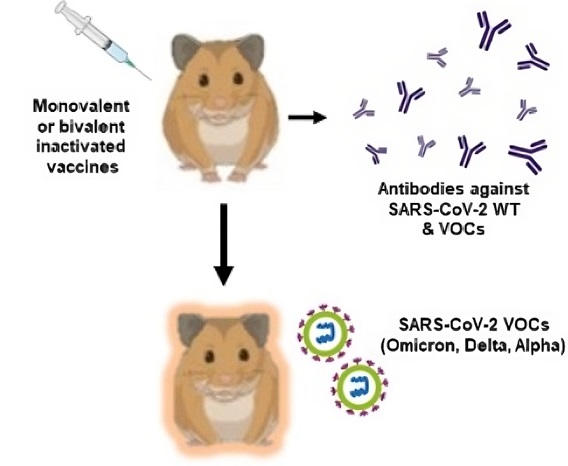 Fig.1 Hamster antibodies fight viral infection.1
A: Hamster hybridomas offer a distinct advantage due to the greater evolutionary distance between hamsters and other common lab animals. This evolutionary separation allows for the generation of antibodies that recognize a broader range of epitopes, including those conserved between mice and rats. This can be particularly beneficial when targeting highly conserved proteins or when cross-reactivity with rodent proteins is a concern.
A: A diverse array of antigen formats can be employed for hamster immunization to maximize the likelihood of a successful antibody response. These formats encompass soluble proteins, which are often preferred due to their ease of handling and controllable dosage. Additionally, we can utilize peptides, DNA, mRNA, whole cells, and other complex antigens, depending on the specific requirements of your project and the nature of the target antigen.
A: To ensure a robust and diverse immune response, we typically immunize a sufficient number of hamsters for each antigen. We can employ up to 10 hamsters for each antigen. The precise number may vary depending on the antigen's complexity, immunogenicity, and specific project requirements.
A: Yes, we offer comprehensive antibody sequencing services for hamster hybridomas. Obtaining the antibody sequence is crucial for various downstream applications, including recombinant antibody production, antibody engineering, and intellectual property protection. We utilize advanced sequencing technologies to accurately determine the variable regions of the generated antibodies.
A: We stick to stringent quality control measures at all stages of the antibody development process. These measures encompass rigorous testing of all reagents, meticulous monitoring of cell cultures, and thorough validation of antibody performance. Our commitment to quality ensures that you receive reliable and reproducible results.
A: The deliverables for a standard hamster hybridoma project typically include hybridoma cell lines producing the desired antibodies, purified antibody samples, and a comprehensive project report. The report details the experimental procedures, screening results, and antibody characterization data. We can also offer additional deliverables, like antibody sequences or customized assay development, based on your specific needs.
If you are interested in our hamster hybridoma production service or have a project requirement, you are always welcome to contact our experts to further discuss this interesting topic.
All listed services and products are For Research Use Only. Do Not use in any diagnostic or therapeutic applications.