LipidSync™ Exosome Products
Products Overview Features FAQs
Overview
In the research and application of exosomes, obtaining natural exosomes often faces challenges of high cost and low efficiency due to the need for extraction from large volumes of body fluids or cell culture media. To address these issues, Creative Biolabs has introduced a breakthrough innovation—artificial exosomes—providing researchers with an efficient and reliable tool to achieve more innovative results in drug delivery and biomedical fields.
Our LipidSync™ Exosomes are an advanced artificial exosome product, composed of carefully selected and proportioned different lipids, forming lipid bilayer vesicles similar to natural exosomes. These artificial exosomes are structurally similar to natural exosomes, offering an efficient and cost-effective option for drug delivery research. In addition, LipidSync™ Exosomes can serve as reliable reference standards for natural exosome identification, providing researchers with a consistent benchmark for comparison.
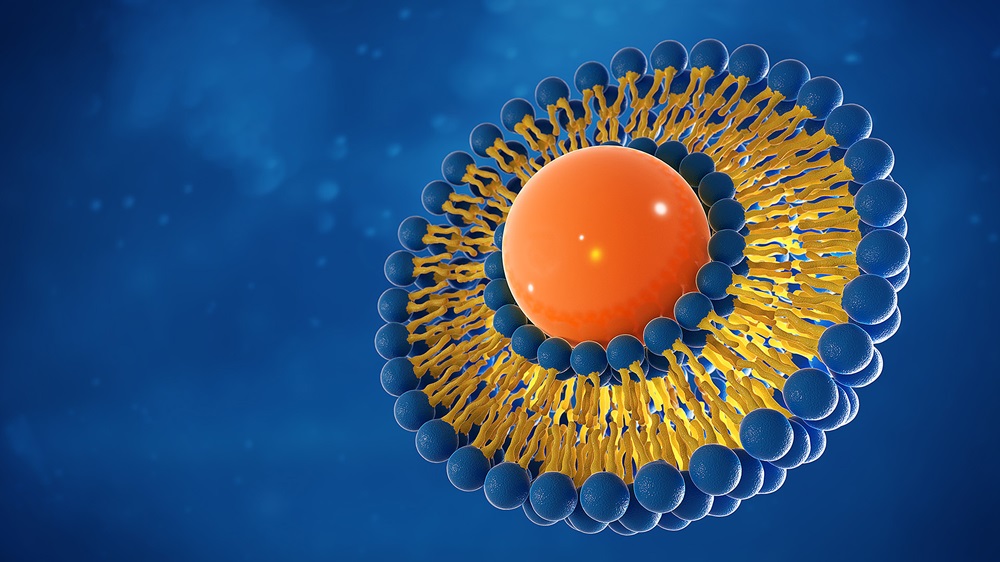
Our FluoroSync™ Exosomes bring an innovative visualization tool to drug delivery research. These artificial exosomes are labeled with specific fluorescent tags, providing clear visualization tracking during experiments. This feature is crucial for understanding the distribution, metabolism, and effects of drugs in the body, especially suitable for exploring the dynamic distribution and release mechanisms of new drugs. FluoroSync™ Exosomes also serve as an ideal standard for natural exosome identification, enhancing the precision of analytical comparisons and aiding in rigorous validation processes.
Features
-
An ideal choice closely resembling natural exosomes
-
An efficient and cost-effective tool for drug delivery
-
A reliable standard for natural exosome identification
-
Fluorescently labelable for visualization
FAQs
Q: Can these artificial exosomes replace natural exosomes?
A: While LipidSync™ Exosomes and FluoroSync™ Exosomes closely resemble natural exosomes in structure and function, providing an efficient simulated environment for experiments, they are not complete substitutes for natural exosomes. Their advantages lie in efficiency, cost-effectiveness, and delivery functionality.
Q: What are the recommended detection methods when using FluoroSync™ Exosomes for visualization experiments?
A: FluoroSync™ Exosomes can be co-incubated with recipient cells, followed by fluorescence or confocal microscopy imaging to detect and track the distribution of FluoroSync™ Exosomes within the cells.
Q: Can LipidSync™ Exosomes be custom-produced according to customer requirements?
A: Yes, we can custom-produce LipidSync™ Exosomes based on specified lipid ratios and modification requirements. Contact us to explore custom production options tailored to your specific needs.