
The field of modern pharmacology is experiencing a fundamental transition from synthetic drug carriers to biomimetic delivery systems. Although conventional small molecule pharmaceuticals and biological agents possess therapeutic merit, their clinical utility is frequently constrained by poor biodistribution, rapid systemic clearance, and unintended off target toxicities. To address these biological barriers, researchers are focused on exosomes. These membrane structures, characterized by diameters ranging from 30 to 150 nm, function as key mediators of intercellular communication by facilitating the horizontal transfer of nucleic acids, proteins, and lipids between donor and recipient cells.
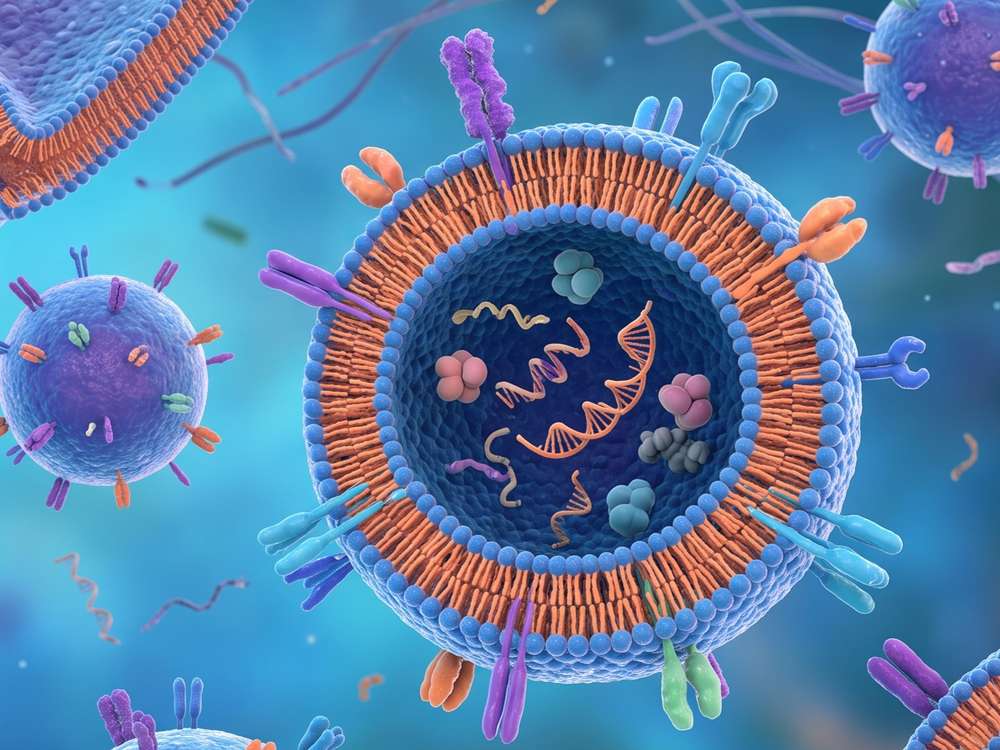
Investigating the therapeutic potential of these nanovesicles has become a critical objective in regenerative medicine and molecular oncology. As natural components of physiological fluids, these particles exhibit an innate capacity to navigate complex biological environments without triggering adverse immune responses. By utilizing vesicle mediated delivery, scientists can protect sensitive molecular payloads from enzymatic degradation within the bloodstream, ensuring stable transport to targeted tissues. The shift toward cell free therapies, utilizing stem cell derivatives rather than intact cellular grafts, provides comparable regenerative efficacy while mitigating the risks of tumorigenicity or immunological rejection, establishing a new paradigm for targeted clinical interventions.
Consult With Our Scientists to Define Your Research Parameters
The development of efficient drug delivery systems requires vehicles that combine structural stability with precise tissue targeting. When compared to conventional synthetic platforms such as synthetic liposomes, polymeric nanoparticles, and biodegradable microspheres, delivery based on exosome configurations display distinct biological benefits that optimize therapeutic outcomes.
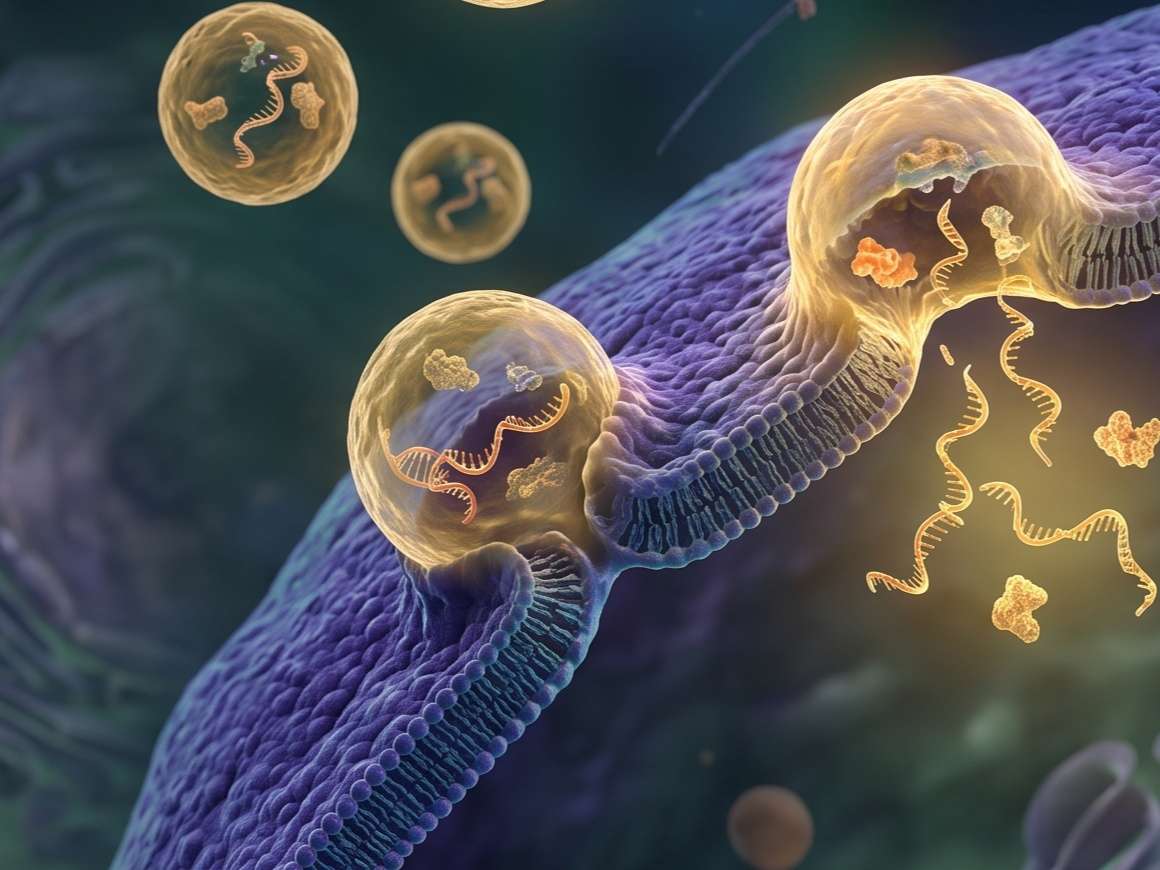
These vesicles are categorized into two primary structural formats:
Directly harvested from donor sources, such as mesenchymal stem cells. These configurations naturally contain a rich repertoire of endogenous molecules, including angiogenic factors, survival proteins, and immunomodulatory RNAs. These native components promote cell proliferation, suppress apoptosis, and stimulate tissue regeneration without artificial modification.
Modified platforms where specific therapeutic payloads are introduced either onto the membrane surface or into the intravesicular lumen. These systems are customized to carry exogenous small molecule inhibitors, targeted proteins, or regulatory nucleic acids, combining natural biocompatibility with precise pharmacological design.
The mechanistic benefits supporting the use of these vesicles over synthetic counterparts are outlined below:
Derived from biological membranes, these particles exhibit minimal immunogenicity and evade clearance by the mononuclear phagocyte system, prolonging their systemic circulation half life.
The lipid bilayer architecture allows these vesicles to traverse restrictive anatomical boundaries, including the blood brain barrier, via noninvasive pathways.
Surface proteins inherited from donor cells guide the vesicles to specific tissue niches, a property that can be augmented through genetic modification to enhance target specificity.
Encapsulation within these lipid structures facilitates higher cellular internalization rates, promoting sustained cargo release and preventing rapid metabolic degradation.
Engage Our Specialists to Refine Your Vesicle Isolation Protocol
The versatility of delivery based on vesicle has led to its deployment across a broad spectrum of pathological models. Academic and clinical investigators are evaluating the efficacy of both natural and engineered configurations against several complex diseases. The primary therapeutic sectors undergoing active investigation include:
Engineered vesicles are utilized in oncology to deliver chemotherapeutic agents, microRNAs, or small interfering RNAs directly to neoplastic cells, enhancing tumor accumulation while reducing systemic toxicities.
Vesicular formulations are being evaluated for their capacity to intercept viral entry pathways, minimize hyper inflammation, and deliver targeted antivirals or regulatory RNAs to mitigate acute respiratory distress symptoms.
Beyond viral infections, these vesicles serve as therapeutic agents in chronic obstructive pulmonary disease and idiopathic pulmonary fibrosis, carrying antiphlogistic molecules to resolve tissue remodeling and preserve alveolar function.
Due to their regenerative profiles, stem cell derived vesicles are applied in wound healing, severe burns, and dermatological disorders to accelerate extracellular matrix remodeling and cell proliferation.
The innate ability to cross the blood brain barrier makes these vesicles ideal for delivering neuroprotective factors and gene therapies to combat neurodegenerative pathologies like Alzheimer disease and Parkinson disease.
Natural or engineered vesicles possess robust immunomodulatory properties capable of dampening hyperactive immune cascades in systemic conditions such as rheumatoid arthritis and inflammatory bowel disease.
Vesicles can be engineered to carry entry inhibitors or specialized small molecule drugs that disrupt the replication cycles of persistent viral pathogens within host cells.
Post injury administration of targeted vesicles assists in reducing localized neuroinflammation, suppressing neural apoptosis, and supporting axonal regeneration within damaged cerebral tissues.
Localized delivery of customized vesicles is designed to alleviate oxidative stress and cellular degeneration in delicate ocular tissues, providing new pathways to treat macular degeneration and glaucoma.
Targeted vesicle formulations are being developed to home to damaged nephrons, delivering anti apoptotic and regenerative payloads to arrest the progression of acute kidney injury and chronic renal failure.
By displaying pathogen derived antigens or carrying viral mRNAs, these non-replicative vesicle platforms stimulate robust, target specific T cell and B cell mediated immunity without the safety concerns of live pathogens.
Partner With Our Scientists to Optimize Your Functional Discovery Plan
Creative Biolabs maintains an advanced bioengineering infrastructure designed to support researchers through every phase of vesicle development, transitioning raw biological samples into characterized, therapeutic grade configurations.
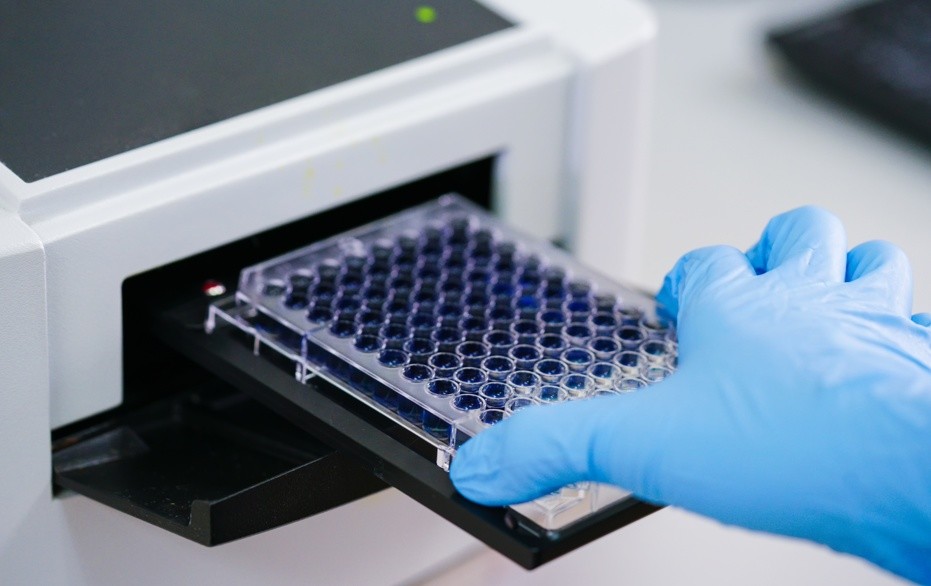
Utilizing automated tangential flow filtration or size exclusion chromatography to isolate intact vesicle populations from cell culture supernatants or physiological fluids, achieving high purity while eliminating protein contaminants.
Documenting particle metrics through Nanoparticle Tracking Analysis for size and concentration, Transmission Electron Microscopy for structural validation, and Western blotting for classical markers including CD63, CD81, and TSG101.
Implementing both passive loading methods, such as electroporation or sonication that temporarily disrupt membrane integrity, and active loading strategies that modify host donor cells to achieve spontaneous cargo sorting.
Conducting rigorous functional bioassays to monitor cellular uptake kinetics, target homing efficiency, and therapeutic potency in relevant disease models.
Coordinate With Our Team to Tailor Your Exosome Characterization Strategy
To ensure experimental consistency and accelerate developmental Timelines, Creative Biolabs provides a specialized collection of research grade tools developed under strict quality management standards.




Speak With Our Technical Experts Regarding Your Custom Assay Requirements
A: Every loading cycle is monitored by comparing pre modification and post modification profiles. We utilize Nanoparticle Tracking Analysis and Transmission Electron Microscopy to verify that processes like electroporation or chemical conjugation do not alter the physical size distribution or cause vesicle aggregation.
A: Storing purified samples at -80°C under these conditions preserves both the structural integrity of the lipid bilayer and the biological potency of the internal protein and RNA cargo.
A: We can design custom surface engineering strategies. By selecting appropriate targeting peptides or single chain variable fragments, our team can modify vesicle membranes to enhance affinity for specific cell surface receptors, supporting your targeted therapy objectives.
Collaborate With Our Research Team to Secure Reliable Experimental Data
v