Exosomal Proteomic Detection Services
Overview Services Features FAQs
Overview
Exosome proteomics is a powerful approach for investigating exosomal proteins and their functions. Creative Biolabs provides customized and high-quality exosome proteomics services that ensure our clients obtain accurate and reliable results, allowing for an in-depth detection of the exosomal proteins.
Exosomal Proteins Overview
Exosomes have several distinct properties that make them valuable to investigate, including their ability to transfer proteins, lipids and genetic material between cells. Thus, the analysis of proteins found in exosomes provides data references for understanding both physiological and pathological processes, including cancer and infectious diseases. Exosome proteomics also provides an invaluable tool for the development of biomarkers and therapeutic targets.
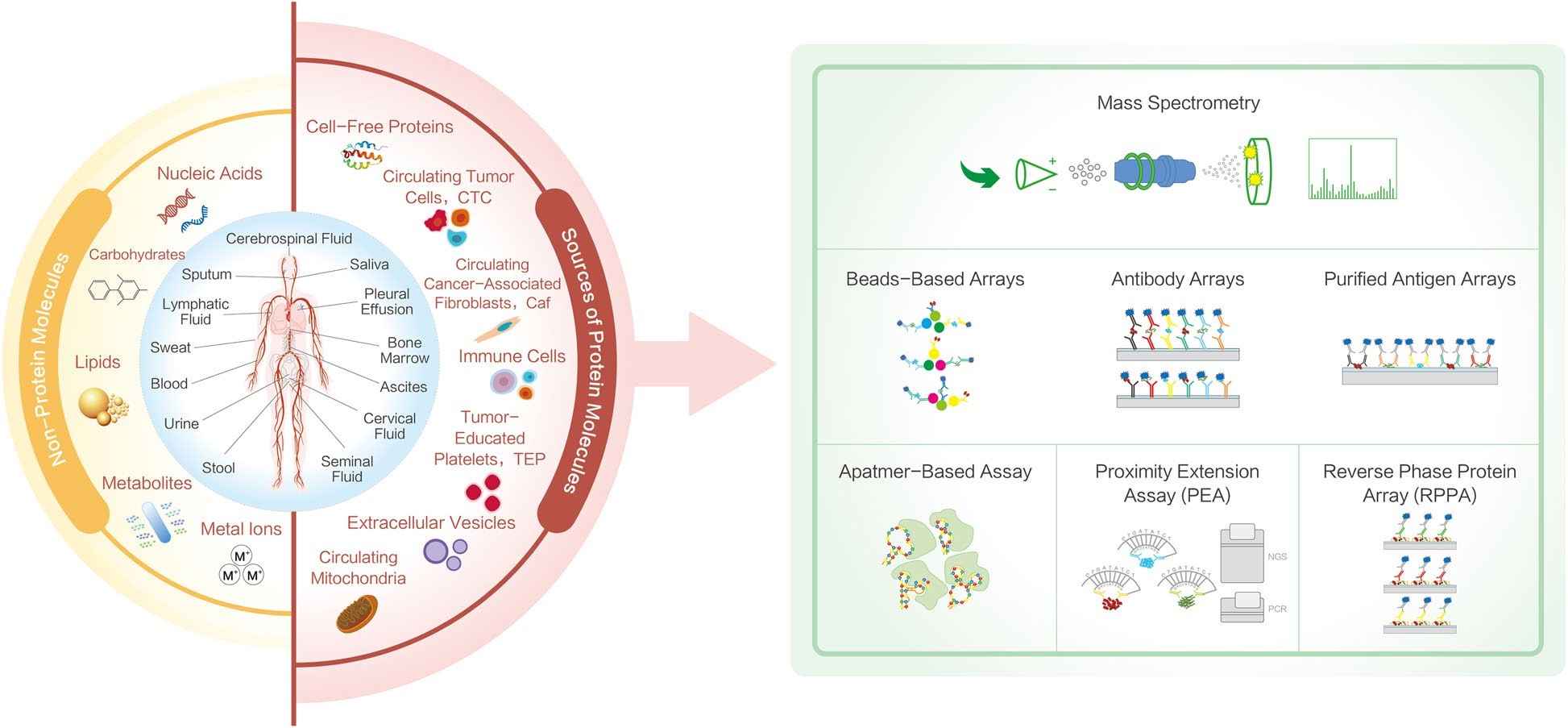 Fig.1 Overview of proteomics technologies in cancer liquid biopsies.1,2
Services
Exosome Proteomics Detection Services at Creative Biolabs
At Creative Biolabs, we provide professional exosome proteomics services. Our service is tailored to isolate exosomal proteins from samples and then identify the protein composition using mass spectrometry and immunoblotting techniques. The detailed processes are as follows.
-
Protein sample preparation: Suitable exosomal protein samples are obtained from multiple sources of exosomes (serum, urine, cell culture supernatant, etc.) using advanced and effective protocols.
-
Sample pretreatment: Exosomal protein samples may also contain unstable micromolecules or interfering factors such as proteins, nucleic acids, hydrolyzed substances, inorganic salts, etc. These molecules can interfere with subsequent experiments, and thus samples need to be pretreated or purified to remove these interferences.
-
Protein enzymolysis and concentration: The enzymolysis of protein samples is performed after determining the protein sample concentration. The enzymatic peptide mixture is concentrated and desalinated, and then can be prepared for mass spectrometry analysis.
-
Exosomal proteomics: Exosome proteomics analysis is performed by applying the highest resolution and sensitivity protein analysis approaches available, combined with LC-MS/MS nanoliter chromatography. Besides, other assessments such as western blotting or immunostaining are performed to validate the bioinformatics results.
-
Statistical analysis and interpretation: Exosome proteomics supports the in-depth understanding of exosome protein compositions and their function in impacting intercellular transmission. We use a comprehensive data processing and analysis strategy to interpret the results and provide meaningful insights into the data.
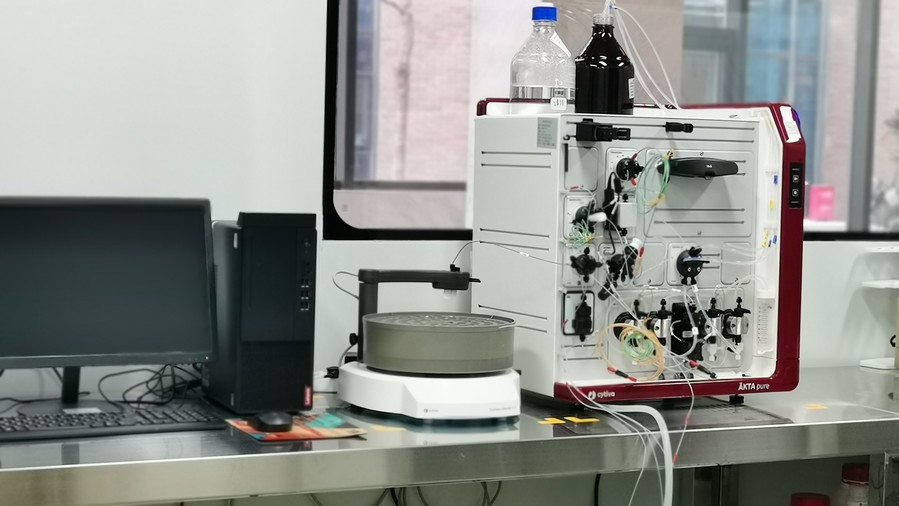 Fig.2. Protein chromatography purification system.
Exosome proteomics allows for gaining remarkable insight into the nature of the proteins found in exosomes. We offer comprehensive exosome proteomics services, including but not limited to:
Features
-
Diverse Technology Platform
-
High-Throughput Analysis
-
Professional Team Support
-
Advanced Data Analysis
Exosome proteomics allows for determining the integrity of exosomal proteins and the interactions between them, as well as the role that exosomal proteins may play in many different environments. Creative Biolabs is the best choice to provide exosome proteomics services for profiling exosomal proteins. Please feel free to contact us.
FAQs
Q: How much exosome sample should I provide?
A: For each exosome sample, please provide at least 200μL (if quantified by particle number, the exosome concentration should be ≥10^10 particles/mL; if quantified by BCA, the exosome concentration should be ≥0.25μg/μL). To ensure the reliability and reproducibility of the results, it is recommended that customers perform replicates. Statistical significance (p-value) and tests can only be calculated when there are sufficient biological replicates (at least three biological replicates). Without enough replicates, reliable statistical analysis cannot be performed, and the significance of the results cannot be assessed.
Q: Which type of proteomics should I choose?
A: Generally, we recommend Label-free Exosomal Proteomics for customers, as it is suitable for projects with a small number of samples (fewer than 16) and is more cost-effective.
References
-
Ding, Z.; et al. Proteomics technologies for cancer liquid biopsies. Molecular Cancer. 2022, 21(1):53.
-
Distributed under Open Access license CC BY 4.0, without modification.
For Research Use Only. Cannot be used by patients.
Related Services: