Supports
Supports Contact Us
Supports: Your Go-To Hub for Exosome Expertise at Creative Biolabs
Hey there! We're Creative Biolabs, and if you've landed here, chances are you're diving deep into the fascinating world of exosomes. Whether you're a seasoned researcher, a biotech startup, or a curious newcomer, we get it—the exosome field is fast-paced, complex, and packed with potential. That's why we're not just your one-stop shop for cutting-edge exosome services; we're also your knowledge partner. Let's talk about how we back you up with science, tools, and insights that go beyond the lab bench.
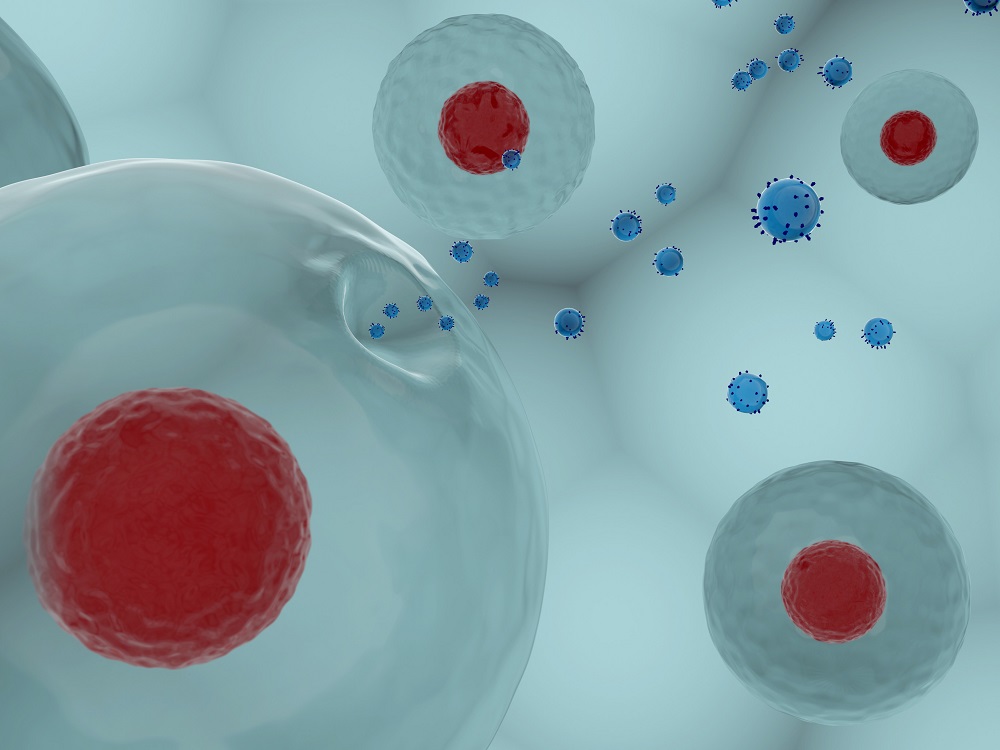
Our FAQs section is designed to tackle those "Wait, how does this even work?" moments. We've curated answers to everything from basic exosome isolation techniques to exosome storage. No jargon, no fluff—just clear, valuable info. For example:
-
What are the primary techniques used in exosome profiling?
-
What cell types are commonly used for exosome production?
We've seen these questions pop up repeatedly in client emails, so we've packaged the solutions into bite-sized, searchable content. Furthermore, to enhance client experience, we have integrated a dedicated " FAQs" section at the bottom of every service page in Services. This strategically designed resource delivers instant, precision support during pre-project planning by addressing critical technical details, workflow protocols, and solution optimization challenges—empowering researchers to build robust foundations for their studies from day one.
Creative Biolabs is excited to introduce our groundbreaking podcast platform, a dynamic hub designed to empower researchers and biotech enthusiasts with cutting-edge insights into the world of exosomes.
-
Research Progress Hubs: Stay Ahead of the Curve
The development speed in the field of exosomes is very fast. To keep you informed of the latest news, we have established a dedicated platform for sharing research progress:
Exosomes have emerged as one of the premier therapeutic vehicles in precision medicine due to their innate ability to inherit bioactive payloads—including functional proteins, regulatory RNAs, and metabolic signaling molecules—from their parent cells. Researchers worldwide are rigorously evaluating their clinical potential across diverse therapeutic arenas, from tumor targeting and tissue regeneration to immune modulation. Notably, scientists are employing dual engineering strategies to transcend natural exosome limitations: 1) Genetically modifying surface topology to enhance tissue-specific homing capabilities, and 2) Utilizing advanced loading techniques to precisely encapsulate therapeutic cargos within exosomal lumens. These bioengineered "smart" exosomes demonstrate programmable drugs, representing a paradigm shift in next-generation targeted delivery platforms.
Yes, plants have exosomes too. Given the inherent edibility of botanical sources, there is a surging global research interest in plant-derived exosomes extracted from citrus, ginger, blueberries, and other edible species. These naturally biocompatible nanovesicles demonstrate exceptional translational potential – not only as revolutionary nutraceutical carriers but also as orally deliverable therapeutic platforms. Their innate biocompatibility aligns perfectly with consumer preferences for non-synthetic health products, positioning plant exosome-based formulations to overcome traditional market acceptance barriers in functional foods, cosmeceuticals, and OTC drug delivery systems while meeting stringent safety expectations.
Exosomes released by bacteria and fungi hold transformative potential for both vaccine development and microbiome-based therapeutic strategies. We have been paying close attention to two promising research avenues: first, how pathogen-derived exosomes can trigger specific immune responses and function as next-generation vaccine adjuvants; and second, the therapeutic efficacy and nutraceutical applications of exosomes derived from probiotics, which may offer novel, natural approaches to disease modulation and health maintenance.
Within three-dimensional (3D) microenvironments such as spheroids and organoids, cells re-establish physiologically relevant signaling networks through spatially organized interactions with the extracellular matrix and dynamic mechanotransduction processes. These systems closely replicate native tissue architecture and function, providing a more accurate model of in vivo biology than traditional two-dimensional (2D) cultures. To maximize the translational relevance of your studies, harness exosomes derived from 3D culture systems—engineered to reflect authentic intercellular communication, molecular cargo, and biological function. Empower your research with exosomes that truly mirror in vivo behavior and therapeutic potential.
How should exosomes function in the later stages of animal studies, and what is the most appropriate route of administration? To address these critical questions, we provide clients with a detailed overview of commonly used exosome delivery methods reported in current research. By offering guidance on the advantages and limitations of each approach, we support our clients in selecting the most suitable delivery route based on their research objectives and disease models, ultimately facilitating the development of more effective and scientifically sound study designs.
Exosomes are emerging as powerful, natural delivery vehicles thanks to their biocompatibility, stability, and ability to carry diverse therapeutic cargos. Whether derived from cells, food, or engineered mimetics, exosomes offer customizable options for drug delivery with low immunogenicity. With broad expertise and flexible platforms, we help bring exosome-based therapies closer to application.
Exosomes show unique pharmacokinetics thanks to their natural composition, allowing for stable circulation, low immunogenicity, and diverse uptake routes like endocytosis and membrane fusion. Interestingly, exosomes tend to accumulate in inflamed or damaged tissues, making them promising vehicles for targeted therapy.
Exosome distribution depends on factors like size, charge, and membrane composition. After injection, they mainly accumulate in the liver, spleen, and lungs, though dose and competition from endogenous exosomes can shift this pattern. In tumors, exosomes benefit from the enhanced permeability and retention (EPR) effect, with surface integrins and glycans guiding their targeting.
Exosomes enter cells mainly through membrane fusion, receptor interactions, or endocytosis, delivering their cargo to influence cellular function. Enhancing this uptake is key to improving therapeutic impact. Strategies like surface engineering with functional peptides for endosomal escape can significantly improve intracellular delivery.
Exosomes show real promise for overcoming biological barriers like the BBB and GI tract and can be engineered with brain-targeting peptides or delivered intranasally for added precision. Similarly, food-derived exosomes, like those from grapes or milk, can survive the harsh GI environment and deliver drugs effectively. These strategies significantly boost drug bioavailability and open new doors for treating brain and gut disorders.
With extensive experience in quantifying specific RNAs in exosomes, we have compiled practical guidelines on selecting appropriate internal and external controls. These insights are designed to help clients avoid common pitfalls and accelerate your research.
An increasing number of researchers are exploring the communication mechanisms between exosomes derived from different tissues. In response, we have compiled a summary of these studies to support and guide our clients' research efforts.
Why Partner with Us?
At Creative Biolabs, we're obsessed with making exosome science accessible. Our knowledge resources aren't an afterthought—they're baked into every service we offer. When you collaborate with us, you get:
-
Tailored support
-
Risk mitigation
We're here to equip you with both the technical firepower and the knowledge foundation to turn your boldest ideas into reality. So, what's next? Dive into our FAQs, stream a podcast episode, or contact us to discuss your project.
For Research Use Only. Cannot be used by patients.