Exosome Marker related Antibody Products

Products Overview Features FAQs

Overview

The classical exosome markers include CD9, CD63, CD81, Alix, and TSG101. These proteins are widely used in the isolation, purification, and identification of exosomes and have been recognized as standard markers in exosome research. In addition to these classical markers, other proteins such as CD326 (EpCAM), Caveolin-1, CD41, CD44, Flotillin 1, Rab5, TM9SF4, TM9SF3, HSC70, and HSP70 are also widely utilized in various studies, particularly in the analysis of exosomes from specific cell types or functional exosomes. These proteins are closely related to the formation, transport, and interaction of exosomes with target cells, making them highly significant in exosome-related research.

(http://47.109.42.40:8006/images/20200331181408_7432.jpg)

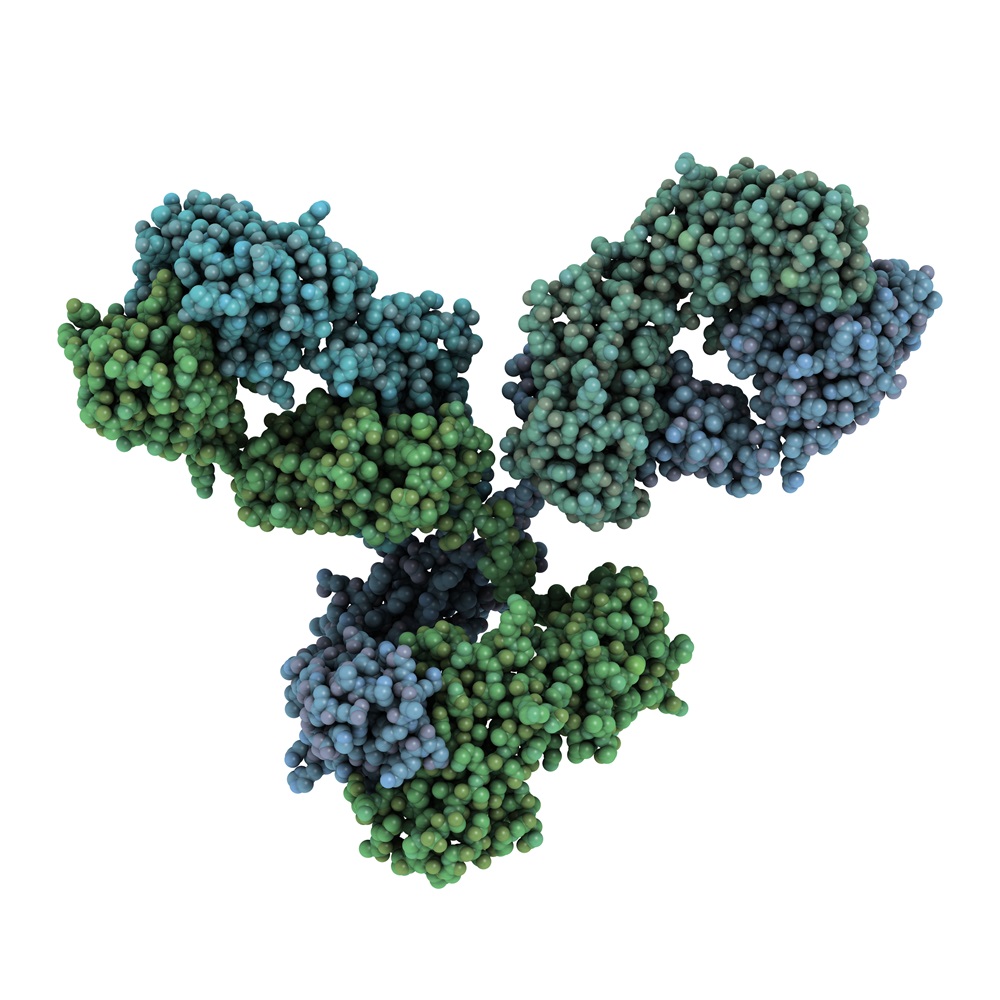
Creative Biolabs offers high-quality antibodies covering these marker proteins, supporting customers in the comprehensive characterization and study of exosomes in a variety of experiments. Whether through Western Blotting, ELISA, nano-flow cytometry, or immunofluorescence techniques, customers can use these antibodies for qualitative and quantitative analysis, as well as functional studies of exosomes.

Features

  • Comprehensive coverage of exosome marker proteins
  • Broad applicability across various experimental techniques
  • High specificity and sensitivity
  • Customized antibody labeling services available

FAQs

Q: Are there suitable antibodies available for exosome nano-flow cytometry analysis?

A: Yes, our product list includes FITC-labeled antibodies against exosome surface proteins, which are suitable for flow cytometry analysis of exosomes. Please ensure that the antibody's species reactivity matches your sample.

Q: How can I ensure that only exosomes, and not other cellular debris, are detected in the experiment?

A: To ensure specificity, first focus on the purity of the exosome sample using extraction methods, NTA, and TEM. Additionally, using antibodies against exosome-specific markers (e.g., CD9, CD63, CD81, TSG101) along with the exosome-negative marker Calnexin can help further confirm the presence and purity of exosomes.

Q: How can I avoid background interference or blurred bands in Western blotting?

A: Background interference may result from high antibody concentration, incomplete blocking, or insufficient washing. Optimizing the antibody concentration and incubation time, along with thorough blocking and adequate washing steps, can effectively reduce background. Blurred bands may be caused by sample degradation or suboptimal electrophoresis conditions; using fresh samples and optimizing SDS-PAGE conditions are recommended.

Q: Why is the target protein not detected when using exosome marker antibodies?

A: Failure to detect the target protein could be due to low expression levels of the target protein in the sample or issues with the experimental steps. Increasing the concentration of the exosome sample may help raise the target protein level. Additionally, optimizing the antibody incubation time and concentration may improve detection efficiency.

Products

  Cat Product Name Host Animal Cross Reactivity Application Conjugate Size Datasheet Inquiry
EXA-0822-X268 Rabbit Anti-Human, Mouse TSG101 Polyclonal Antibody Rabbit Human, Mouse WB, IHC-P, IP, ELISA
EXA-0822-X269 Rabbit Anti-Human, Mouse, Rat, Monkey, Bovine, Horse, Sheep, Rabbit, Dog TSG101 Polyclonal Antibody Rabbit Human, Mouse, Rat, Monkey, Bovine, Horse, Sheep, Rabbit, Dog WB, IHC, IF/ICC
EXA-0822-X270 Mouse Anti-Human TSG101 Monoclonal Antibody Mouse Human ELISA, WB, IF, FC
For Research Use Only. Cannot be used by patients.
Get resources and offers direct to your inbox: Submit
Inquiry Basket