Open Webinar: The Double-Edged Role of Extracellular Vesicles in Alzheimer's Disease
The Double-Edged Role of Extracellular Vesicles in Alzheimer’s Disease
10:00 AM EDT, July 23rd, 2025
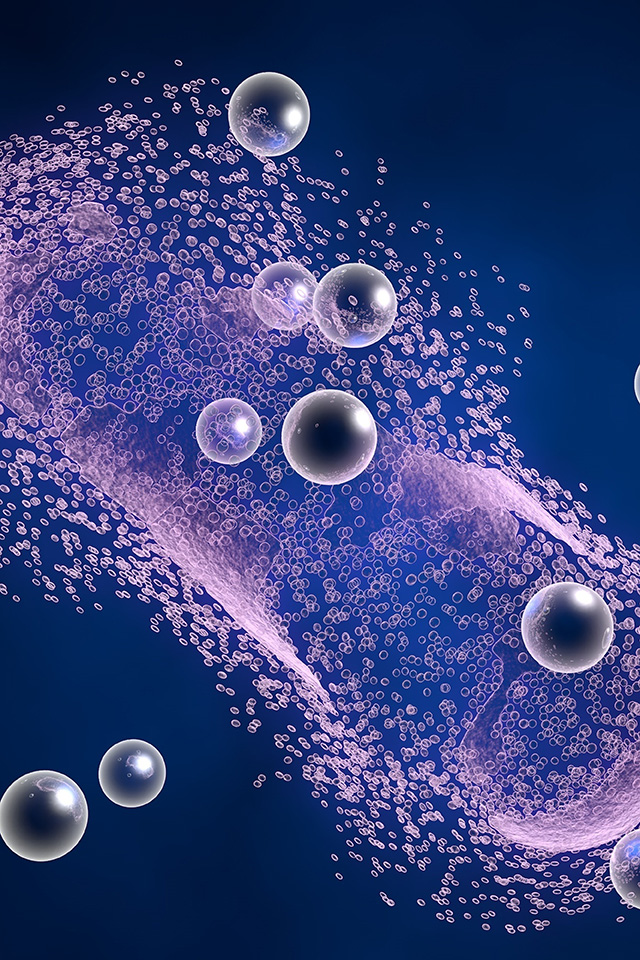
Extracellular vesicles (EVs) are lipid bilayer-enclosed particles released by virtually all cell types. EVs carry cytosolic biomolecules such as nucleic acids and proteins; over the years, they have been revealed to be critical mediators in both physiological and pathological processes. In the context of Alzheimer's disease (AD), EVs influence key aspects of disease progression, including neuroinflammation, neurodegeneration, and the propagation of toxic protein species across brain regions. They play a dual role in inflammation (either promoting or mitigating it) and can contribute to neuronal health by clearing toxic proteins and cellular debris, particularly when proteostasis is impaired. Conversely, EVs may also facilitate the intercellular spread of neurotoxic aggregates, exacerbating disease pathology. This positions EVs as both a potential driver of neurodegeneration and a target for therapeutic intervention. Strategies that selectively inhibit the pathogenic functions of EVs while preserving their protective roles hold promise for AD treatment. Furthermore, EVs of neural origin isolated from blood provide a unique, minimally invasive window into brain pathology and represent a promising source of biomarkers for early diagnosis and disease monitoring.
Creative Biolabs is honored to invite Dr. Francesc Guix to speak on the double-edged role of extracellular vesicles in Alzheimer’s disease.
Dr. Guix will discuss the following key points:
Introduction of Alzheimer’s Disease (AD) and the significance of Extracellular Vesicles (EVs) in the study of AD.
EV Characteristics: How nano-sized, cell-released vesicles transport nucleic acids, proteins, etc. and facilitate cell-to-cell communication.
The Role of EVs in Brain Physiology: EVs support communication between neurons and glia, contributing to brain homeostasis.
The Dual Role of EVs in AD: EVs help clear toxic proteins but may also spread misfolded proteins (e.g., tau, Aβ) and enhance neuroinflammation.
Therapeutic Potential: Primarily discussing the application of targeted EVs for AD treatment, enhanced beneficial effects, and application as diagnostic biomarkers.
Join us for this insightful webinar and unlock greater potential for your Alzheimer’s Disease research. Dr. Francesc Guix will provide invaluable insights into the dual roles of extracellular vesicles and their therapeutic promise. Secure your place in this exclusive event by registering today!
Webinar Recording
Speaker
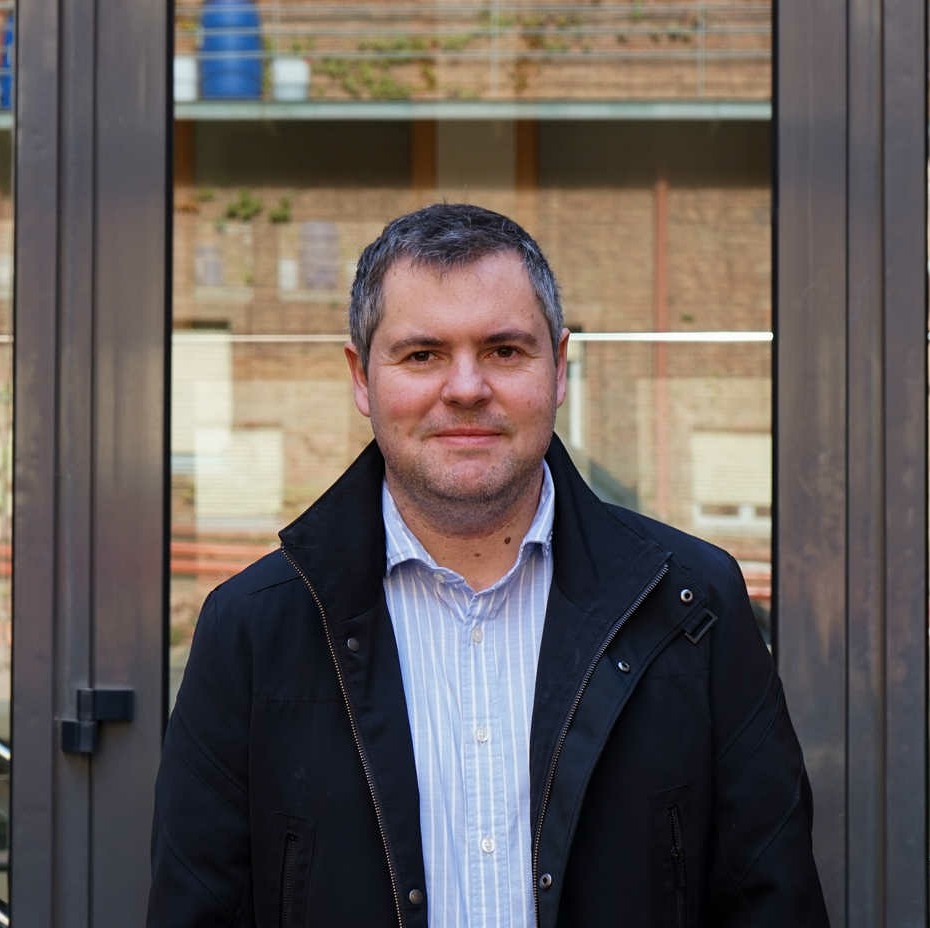
Francesc Guix , Ph.D.
Dr. Francesc Guix is an Assistant Professor of Neuroscience at IQS–Universitat Ramon Llull, Barcelona. After earning a degree in Human Biology from Universitat Pompeu Fabra, Dr. Guix completed his PhD with Prof. Francisco José Muñoz, revealing how peroxynitrite promotes neurofibrillary tangle formation. His work was published in Brain and was preceded by a review now cited more than 900 times. Dr. Guix received postdoctoral training with Profs. Kai Simons, Bart De Strooper, Dominic Walsh and Dennis Selkoe, where their combined expertise in membrane microdomains, γ-secretase biology and proteostasis yielded high-impact papers (e.g., EMBO Molecular Medicine 2012) and a patent on tetraspanin-regulated protease activity. As a Marie Curie Fellow at the Centro de Biología Molecular “Severo Ochoa,” Dr. Guix led a team to uncover how aging neurons lose proteostatic control and alter extracellular-vesicle release, findings that underpin their current research program.
Author of more than 30 publications and Associate Editor for Frontiers in Aging Neuroscience,
Dr. Guix has received multiple competitive grants, including Spain’s “Generación del Conocimiento” and the AGAUR LLAVOR award. Additionally, he regularly reviews projects for the Spanish State Research Agency.


 10:00 AM EDT, July 23rd, 2025
 Webinar Recording
 Speaker