Stem Cell-derived Exosome Advantage and Application - Regulating Inflammatory Cell
OverviewServicesFeaturesFAQs
Exosomes are quickly becoming the most cutting-edge method for controlling hyperactive inflammatory responses. Creative Biolabs has accumulated insights into SC-Exo (stem cell exosomes) regulating inflammatory cells and provides one-stop exosome research services to help clients advance SC-Exo-related projects.
Mechanisms
Fig. 1 Schematic summary of immunoregulatory cells and cytokines.1
Our Services
Creative Biolabs provides a one-stop research service based on the exploration of the mechanism of SC-Exo.
SC-Exo and Inflammatory Diseases
SC-Exo plays a role in balancing inflammation involving various inflammatory diseases.
Fig. 2 Therapeutic effects of extracellular vesicles (EV) on inflammatory diseases.1
Creative Biolabs is a reliable provider of studying SC-Exo. Please contact us for a customized service to gain an in-depth understanding of SC-Exo regulating inflammatory cells.
FAQs
Q: How do stem cell-derived exosomes regulate inflammatory cells?
A: Stem cell-derived exosomes contain bioactive molecules such as cytokines, growth factors, and microRNAs that can modulate immune responses. By preventing the generation of pro-inflammatory cytokines and encouraging macrophage polarization toward an anti-inflammatory phenotype, these exosomes can lower inflammation.
Q: What are the advantages of using stem cell-derived exosomes over traditional anti-inflammatory treatments?
A: Stem cell-derived exosomes offer several advantages, including targeted delivery of therapeutic molecules, lower risk of immune rejection, and the ability to cross biological barriers. They offer an effective and safe alternative to conventional anti-inflammatory medications for immune system modulation.
Q: In what conditions can stem cell-derived exosomes be applied for inflammation regulation?
A: Stem cell-derived exosomes have shown potential in treating various inflammatory conditions, including autoimmune diseases, arthritis, inflammatory bowel disease, and neuroinflammatory disorders. They are a strong contender in various fields due to their capacity to control immune responses.
Q: Can stem cell-derived exosomes be combined in other approaches?
A: Yes, stem cell-derived exosomes can be combined with other ways to enhance their effectiveness. For example, they can be used alongside anti-inflammatory drugs, physical therapy, or regenerative medicine techniques to provide a more comprehensive approach.
Reference
Suh, Ju Hun, et al. "Therapeutic application of exosomes in inflammatory diseases." International journal of molecular sciences 22.3 (2021): 1144. Under open access license CC BY 4.0, without modification.


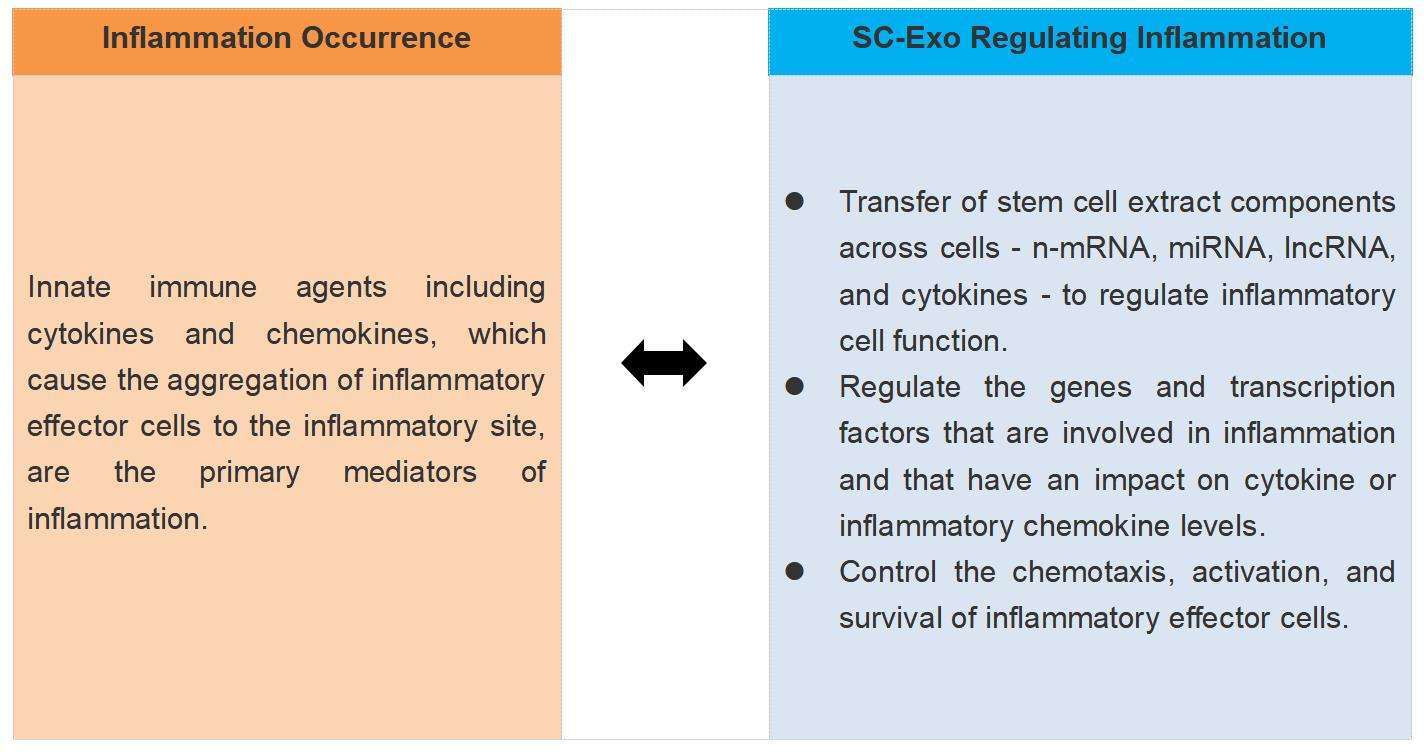
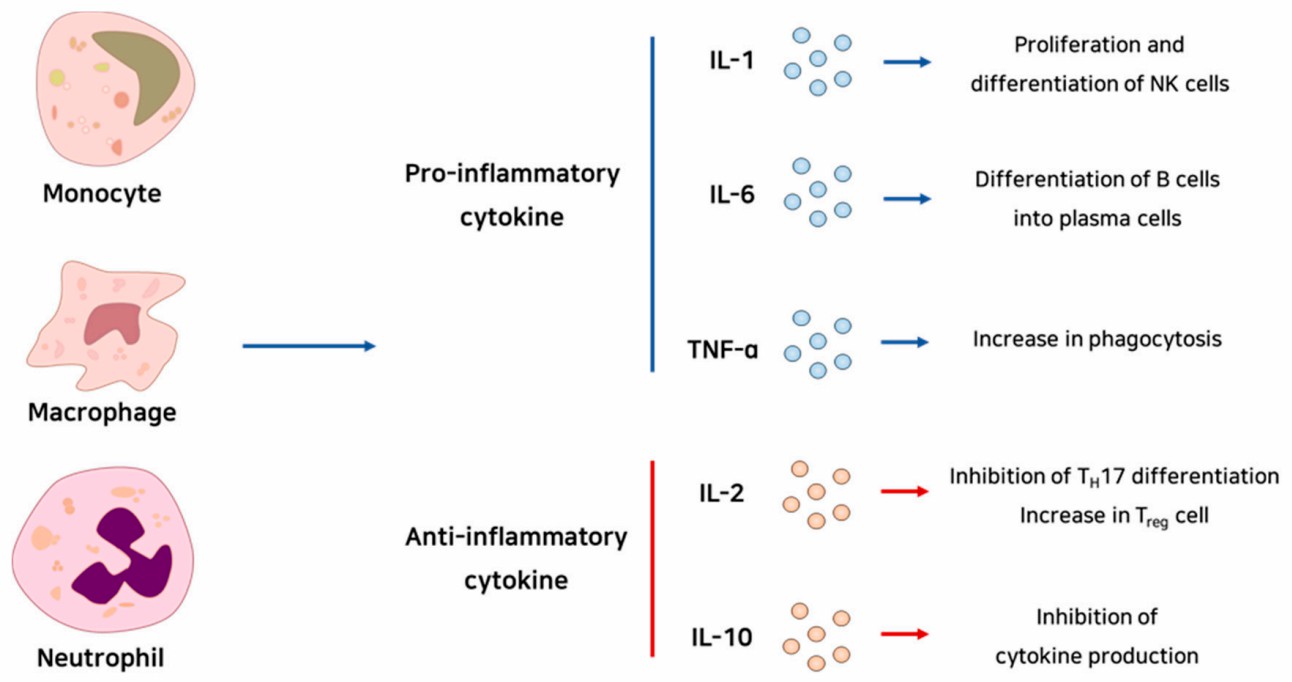 Fig. 1 Schematic summary of immunoregulatory cells and cytokines.1
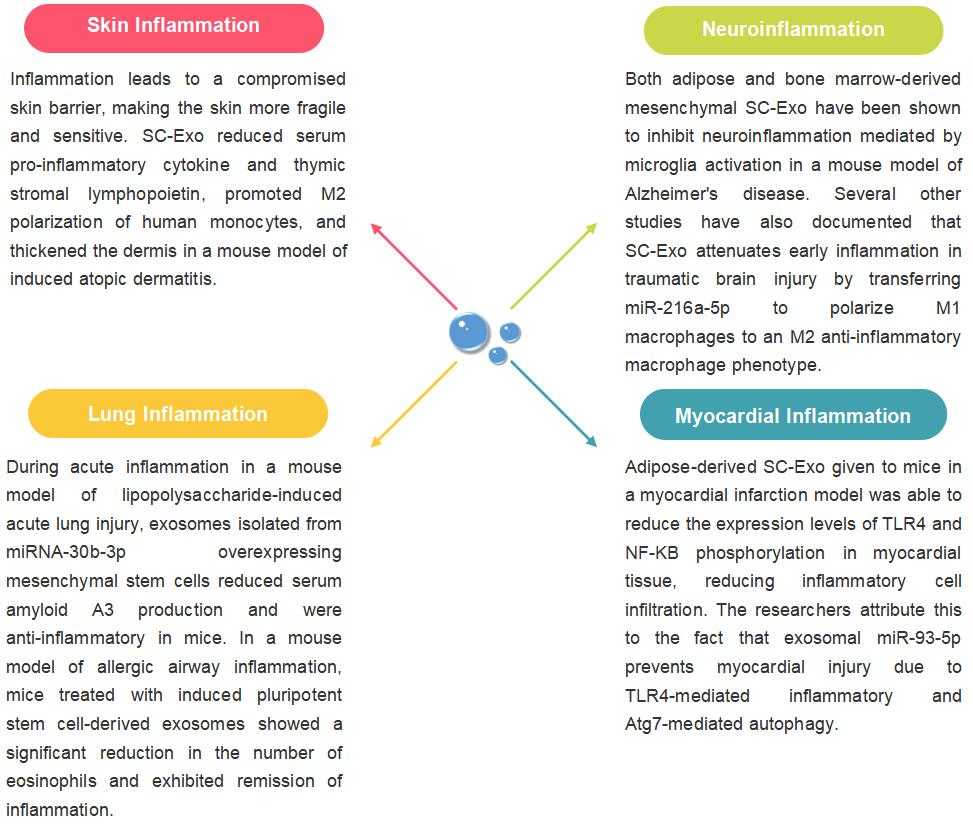
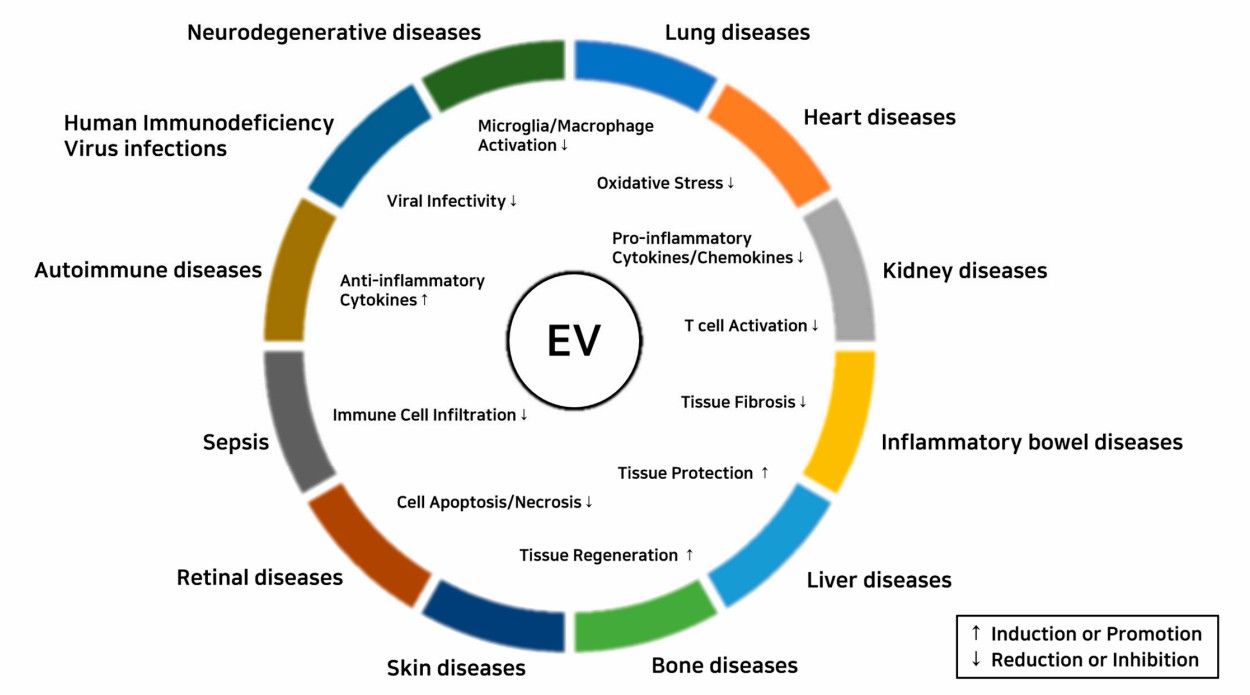 Fig. 2 Therapeutic effects of extracellular vesicles (EV) on inflammatory diseases.1