Single-Cell and Tissue Exosome Combined Proteomic Research Service
Overview Services Features FAQs
Overview
Single-Cell Proteomics
Single-cell proteomics involves the qualitative and quantitative analysis of protein expression profiles at the single-cell level, enabling researchers to study the protein landscape of individual cell subpopulations. Several advanced techniques are now available for single-cell proteome analysis, including antibody-based single-cell mass cytometry, cytokine panel detection for single-cell functional protein analysis, and TMT-labeled spectrum technology for single-cell protein quantification. These methods allow for the clustering of cell subpopulations based on their unique protein expression profiles at various scales.
Single-Cell and Tissue Exosome Combined Proteomics Research Prospects
Among the cargo carried by exosomes, proteins play a critical role as signaling molecules, directly participating in the regulation of various biological pathways and influencing the function of recipient cells. Recent studies have identified potential donor cells for tissue-derived exosomes using single-cell and exosome transcriptomics, proposing a potential mechanism for tissue exosome transport. Similarly, the advent of single-cell proteomics provides a more precise approach to tracing the origins and communication pathways of tissue exosomes at the protein level.
Combined proteomics research, which integrates single-cell and tissue exosome analyses, is poised to significantly advance our understanding of the protein-mediated mechanisms behind exosome-driven biological phenomena. This comprehensive approach will help researchers achieve high-quality, in-depth insights and produce high-impact research outcomes.
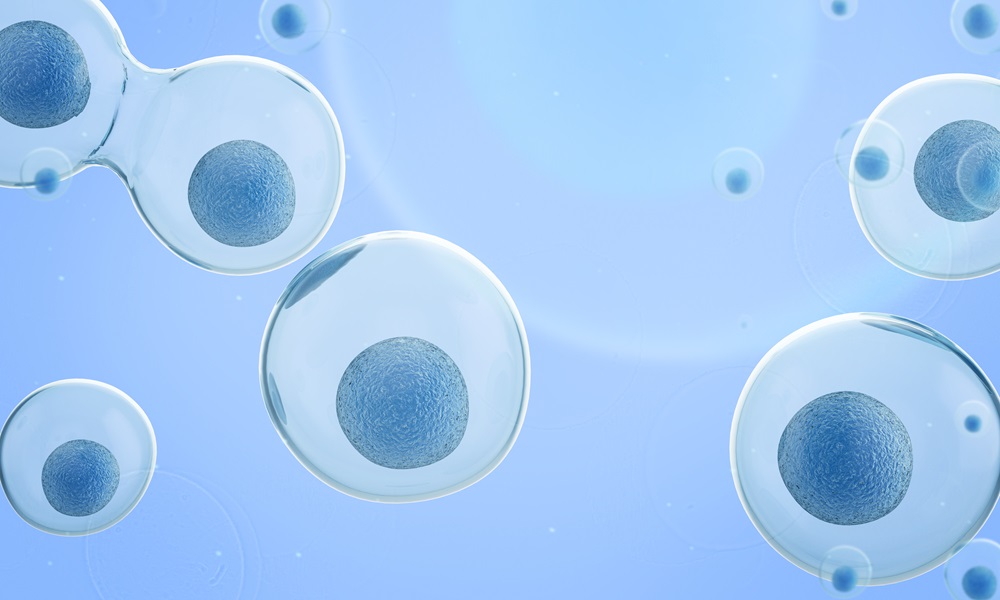
At Creative Biolabs, we offer efficient tissue permeabilization techniques for isolating both cell and exosome collections. By leveraging the most appropriate single-cell and exosome proteomics technologies, we assist clients in identifying the parent cell types responsible for producing key proteins found in exosomes.
Services
In line with the original intention of providing customers with high-quality and efficient exosome technical services, Creative Biolabs has been paying attention to the latest developments in the exosome research field and continues to carry out technology development, process optimization, equipment introduction, and recruitment of outstanding talents, aiming to provide customers with high-end one-stop technical service for exosome research. Our professional technical team can provide you with efficient tissue exosome extraction service, tissue exosome identification service, single-cell and tissue exosome combined proteomics service, and subsequent in vivo and in vitro functional mechanism verification service.
Features
-
Efficient extraction and characterization of tissue exosomes
-
Innovative research on the correlation between single cells and exosomes
-
High-end, comprehensive one-stop technical support covering the entire exosome research process
-
Industry-leading exosome solutions
Please contact us with your specific requirements, we look forward to working with you to explore the tissue-specific exosome communication network at the protein level.
FAQs
Q: What bioinformatics support do you provide for proteomics data?
A: We offer comprehensive bioinformatics support for analyzing and interpreting proteomics data. Our team can assist with data visualization, pathway enrichment analysis, and protein interaction network mapping, helping you derive meaningful insights from your exosome and single-cell proteomics results.
Q: Which techniques do you apply to detect proteins in exosome?
A: We utilize cutting-edge mass spectrometry techniques to accurately identify proteins within exosomes. These methods enable the discovery of key exosome-related proteins, which are crucial for understanding their roles in disease and cellular communication.
Q: How much sample volume do I need to provide for this single-cell and tissue exosome combined proteomics analysis?
A: Typically, we require at least 2 grams of tissue-derived single-cell suspension (with a minimum of 500,000 cells) and the dissociation buffer produced during the single-cell extraction process. For specific sample preparation instructions, please reach out to us.
For Research Use Only. Cannot be used by patients.
Related Services: