Creative Biolabs is offering the most comprehensive services for antibody development projects. With strict regulation and effective execution, we are dedicated to providing the most valuable solutions to complete your projects.
HighlightsCreative Biolabs is offering the most comprehensive services for antibody development projects. With strict regulation and effective execution, we are dedicated to providing the most valuable solutions to complete your projects.
HighlightsCreative Biolabs has established a broad range of platforms for developing novel antibodies or equivalents. These cutting-edge technologies enable our scientists to meet your demands from different aspects and tailor the most appropriate solution that contributes to the success of your projects.
HighlightsWith deep understanding in antibody-related realms and extensive project experience, Creative Biolabs offers a variety of references to help you learn more about our capacities and achievements, including infographic, flyer, case study, peer-reviewed publications, and all kinds of knowledge that can assist your projects. You are also welcome to contact us directly for more specific solutions.
HighlightsGet a real taste of Creative Biolabs, one of the most professional custom service providers in the world. We are committed to providing highly customized comprehensive solutions with the best quality to advance your projects.
HighlightsCreative Biolabs offers a specialized Hybridoma Re-Fusion Service designed to rescue your valuable yet underperforming hybridoma cell lines. With our extensive experience and cutting-edge facilities, we can restore antibody production and ensure the continuity of your critical projects, effectively safeguarding your scientific investment and progress.
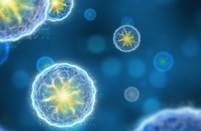
Cell fusion, the process of merging two distinct cell types into a single hybrid cell, can be achieved through natural or artificial means, resulting in progeny that exhibit characteristics from both parental cells. This technology is fundamental to modern biotechnology, particularly in the generation of monoclonal antibodies (mAbs). The creation of mAbs necessitates the fusion of antibody-producing cells with continuously dividing cancer cells, generating hybridoma cells.
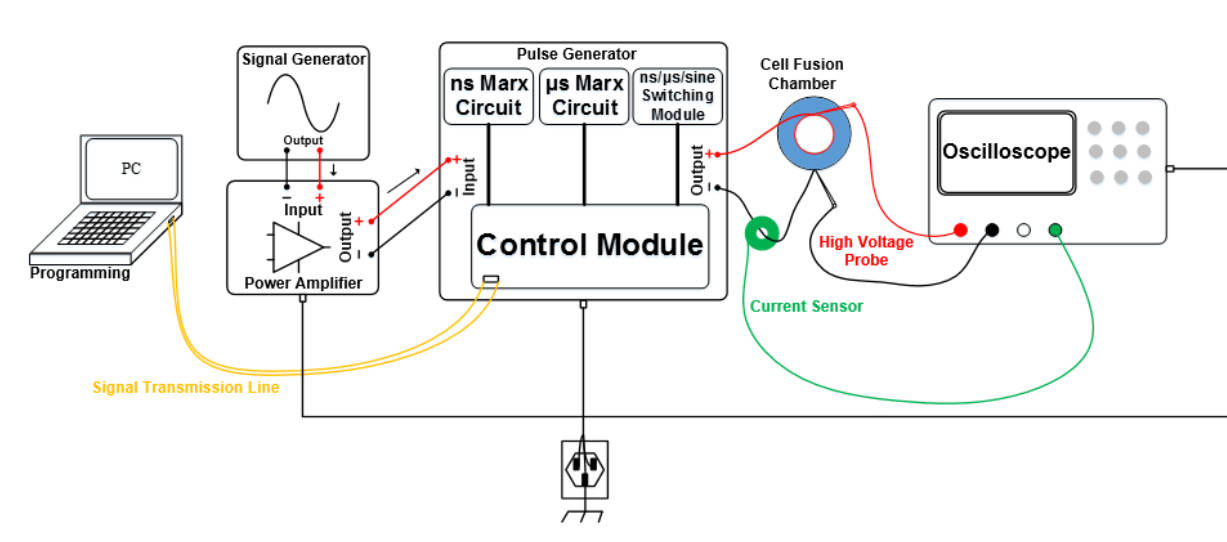 Fig.1 Schematic of cell fusion platform.1
Hybridoma technology remains a widely employed conventional method for mAb isolation. Its significant advantage lies in the continuous production of mAbs once stable hybridoma cell clones are established. This method involves fusing immortalized cells with antigen-specific B cells, thereby facilitating B cell culture and enabling persistent antibody secretion. However, prior cytogenetic studies have revealed a propensity for chromosome loss from one parental cell during continuous proliferation. This chromosomal instability can lead to compromised cell growth, reduced expression levels of the target protein, and a decline in product quality. Furthermore, suboptimal preparation methods, inaccurate operational procedures, or inappropriate storage conditions can adversely affect hybridoma viability and mAb production efficiency. Consequently, timely hybridoma re-fusion emerges as a promising method to address these issues.
Hybridoma re-fusion involves fusing existing hybridoma cells with myeloma cell lines to generate a new monoclonal cell line. The most suitable cell line among these newly formed hybridomas is then selected for subsequent mAb production. This technique has been recognized as an effective strategy to counteract chromosome loss by augmenting the corresponding parental chromosome complement, thereby aiding in the rescue of compromised hybridoma cells and the restoration of their activity.
At Creative Biolabs, we know myeloma fusion partner selection is key for successful hybridoma rescue. We re-fuse your hybridoma with at least two distinct, high-performance myeloma cell lines from our extensively characterized panel. This approach helps us establish new monoclonal cell lines, rigorously selected for restored antibody production, optimal growth, and long-term stability, ensuring you receive a revitalized, reliable resource for your research.

We initiate the process by carefully selecting appropriate myeloma fusion partners from our proprietary, well-characterized bank. This selection is based on factors such as the species of your original hybridoma and its known characteristics, aiming for optimal fusion efficiency and post-fusion stability.
Your existing hybridoma cells, which may be exhibiting instability or poor production, are expertly fused with the chosen myeloma partners. We employ advanced fusion protocols, including optimized polyethylene glycol (PEG)-mediated fusion techniques, to maximize the formation of viable hybrid-hybridoma cells.
Following the fusion event, the cell mixture is cultivated in a highly selective medium (typically HAT medium). This critical step ensures that only successfully fused hybridoma-myeloma cells survive and proliferate, eliminating unfused parental myeloma cells and the original, unstable hybridoma cells.
As new hybridoma colonies emerge and expand, their supernatants are meticulously screened to identify clones actively secreting your target antibody. This involves employing sensitive and specific assays, often tailored to your antibody, such as ELISA or Western Blotting, to confirm desired antibody production.
Identified positive cell lines that demonstrate robust antibody production are then subjected to several rounds of limiting dilution subcloning. This essential step guarantees the monoclonality of the rescued line and allows for the selection of the most stable and high-yielding clones. Finalized top clones are expanded and cryopreserved to establish reliable cell banks for your future use.
Recognizing that each hybridoma and research project is special, we provide individualized service options. These are meticulously designed based on the specific condition of your cell line and your intended experimental outcomes, ensuring a bespoke approach.
Our scientific team employs rigorous experimental design principles. All procedures are conducted under strictly tested and optimized conditions within our state-of-the-art facilities, maximizing the potential for a successful rescue.
We strive to deliver high-cost performance, providing a scientifically robust service that helps you save on your project budget by recovering valuable assets rather than re-developing them from scratch.
Understanding the time-sensitive nature of research, we are dedicated to providing a short turnaround time for our re-fusion services, getting your rescued hybridomas back to you as efficiently as possible without compromising quality.
Equipped with years of experience in hybridoma technology, along with novel tech platforms and an expert team, Creative Biolabs is capable of assisting you in your projects with reliable hybridoma rescue services including but not limited to hybridoma re-fusion. Please feel free to contact us for inquiries into your customized services.
All listed services and products are For Research Use Only. Do Not use in any diagnostic or therapeutic applications.