Close

Phage Display Library Screening Services

Services Advantages Strategies Binder Types Workflow Platform Cases Applications FAQs Resources

Highly Customized Phage Display Library Screening

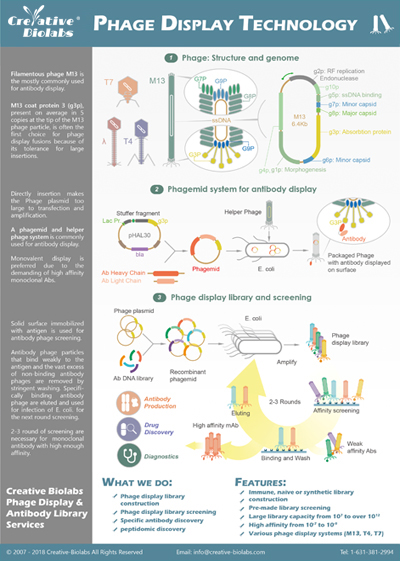
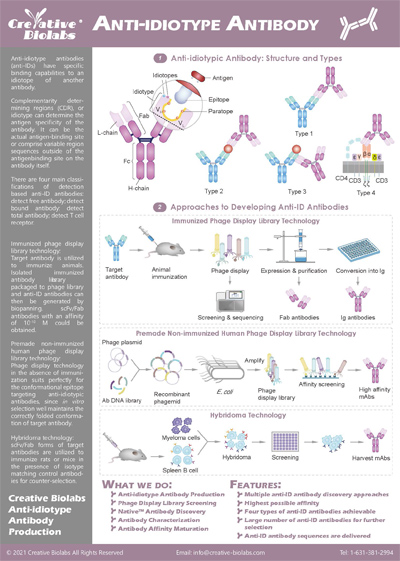
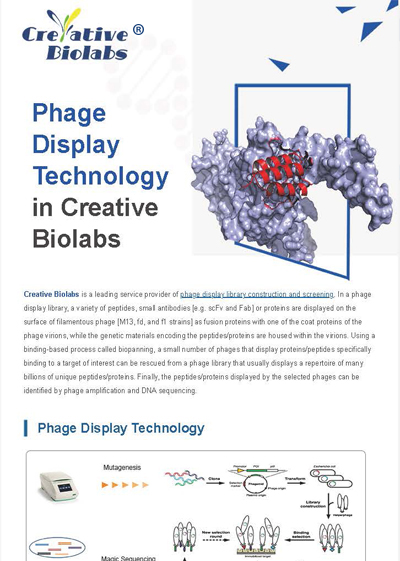
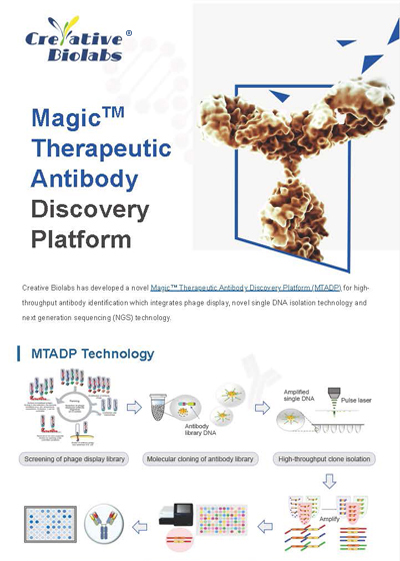
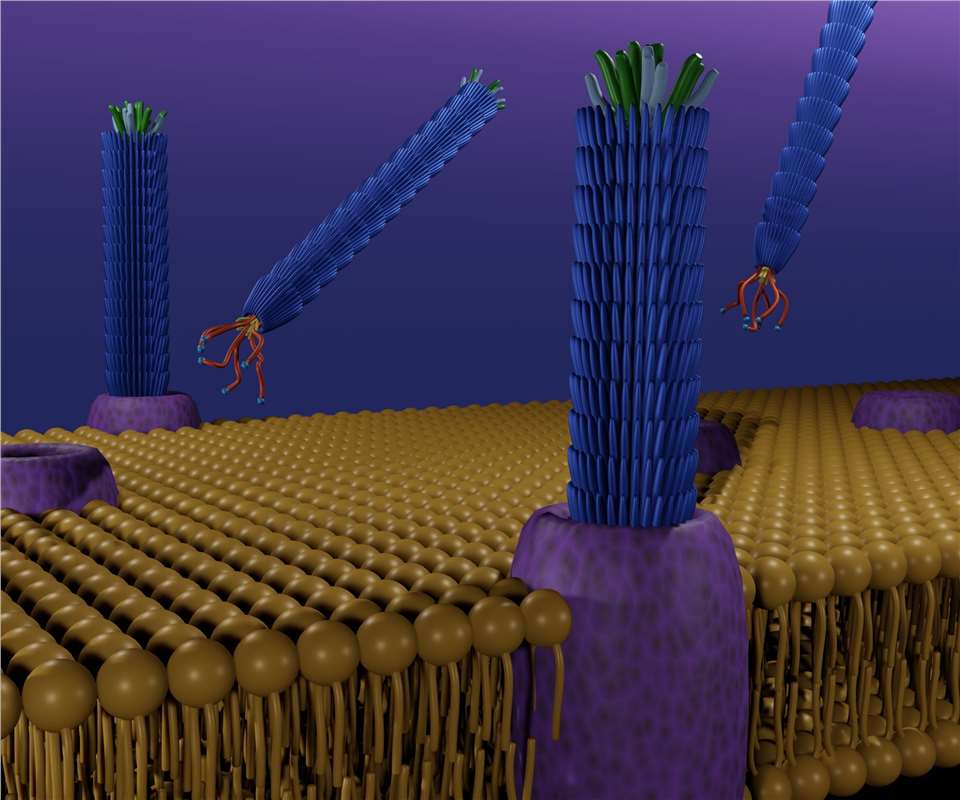
Through precise genotype–phenotype coupling, Creative Biolabs can quickly recover rare, high-affinity binders tailored to specific targets from vast libraries of more than 1010 variants. Our platform directly screens against nonimmunogenic, toxic, and structurally labile targets, delivering developmentready binders with speed and reliability. By uniting advanced molecular biology, highthroughput selection, and orthogonal analytics, we decode complex biomolecular interactions with nucleotidelevel precision and translate them into actionable binders.

Drug discovery and biologics engineering (antibody/ligand discovery, affinity maturation, specificity tuning)
Diagnostics (high‑specificity capture and detection reagents)
Therapeutics research (epitope mapping, binder engineering for challenging targets)

Creative Biolabs Service Advantages

  • High success rate identifying sub‑nanomolar binders
  • Hundreds of partnered programs
  • True genotype–phenotype linkage
  • Higher hit rates on challenging targets
  • Faster path from target to validated binders
  • Clear, decision‑ready data packages and sequences

Start a Project | Get a Quote

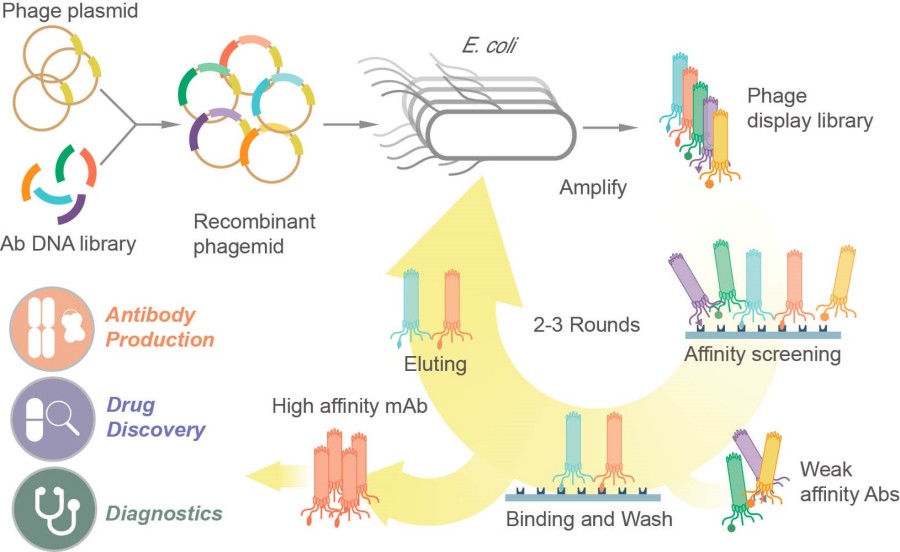
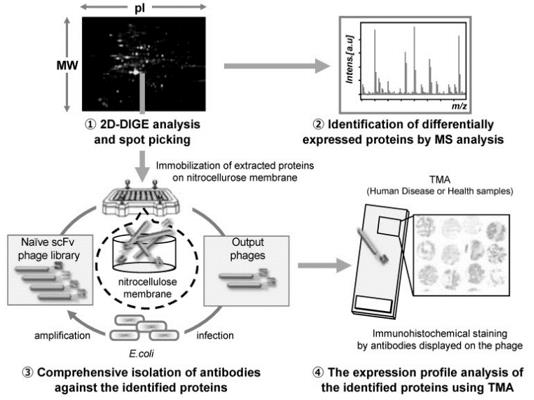
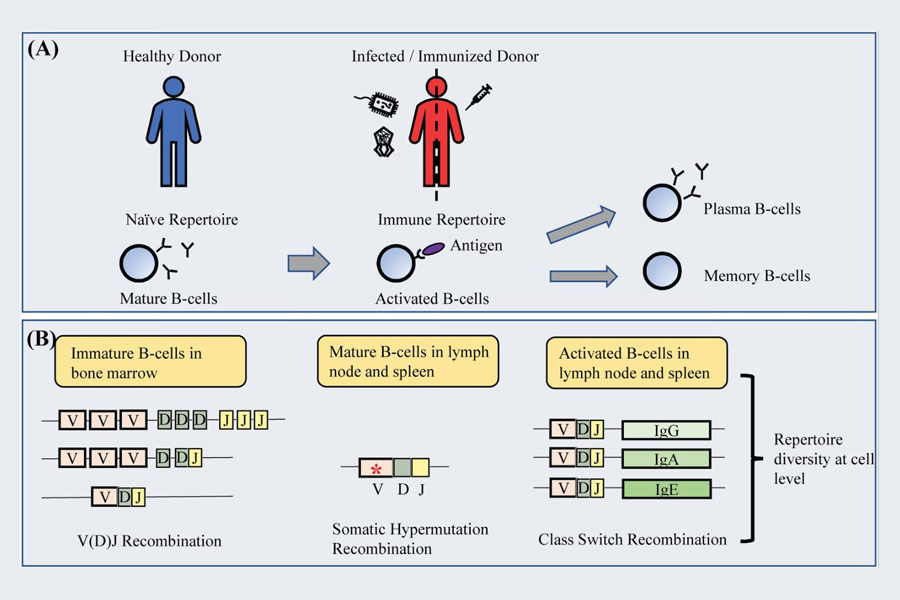
Fig.1 Phage display library construction process. (Creative Biolabs Original). Fig.1 Phage display library construction and screening.

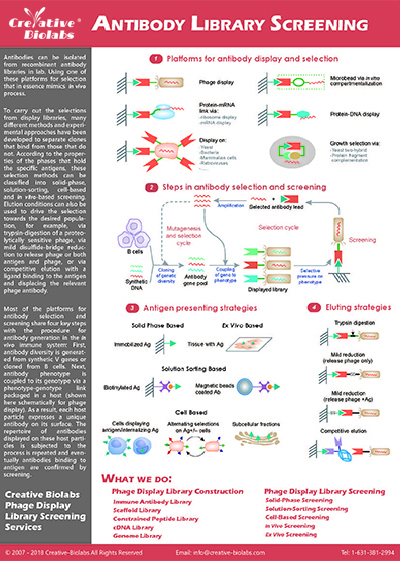
Phage Display Library Screening Strategies: Comprehensive Solutions for Your Research and Therapeutic Development

By combining core binding and functional assays with advanced multi-target, cross-species, and variant-based screenings, our platform delivers scalable and precise capabilities for a broad range of research and development needs.
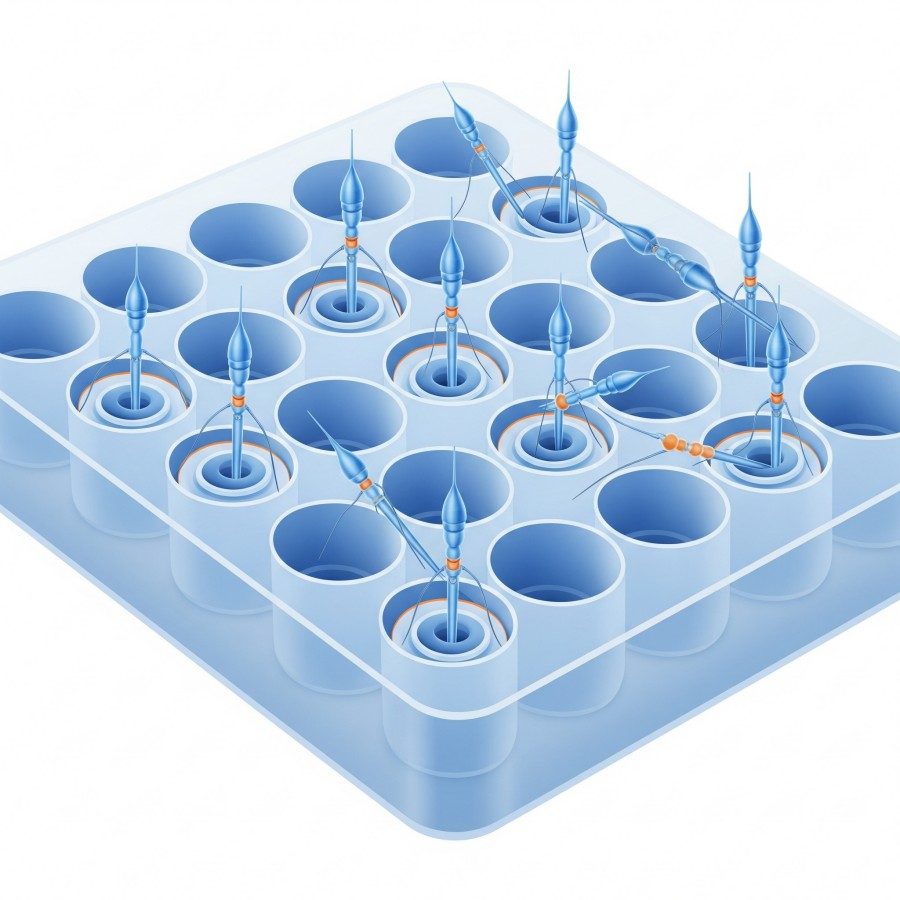
Solid-Phase Screening

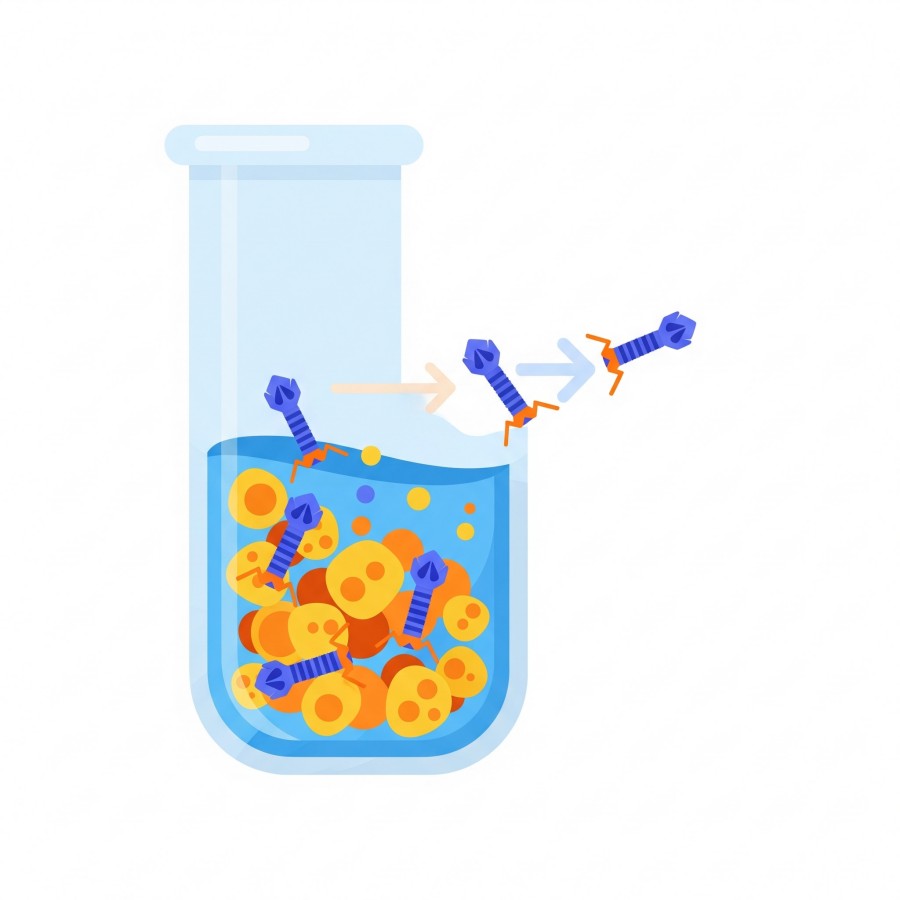
Fig.2 Solid-phase screening. (Creative Biolabs AI)

Utilizing immobilized targets for high-throughput screening to achieve reliable binding measurements.
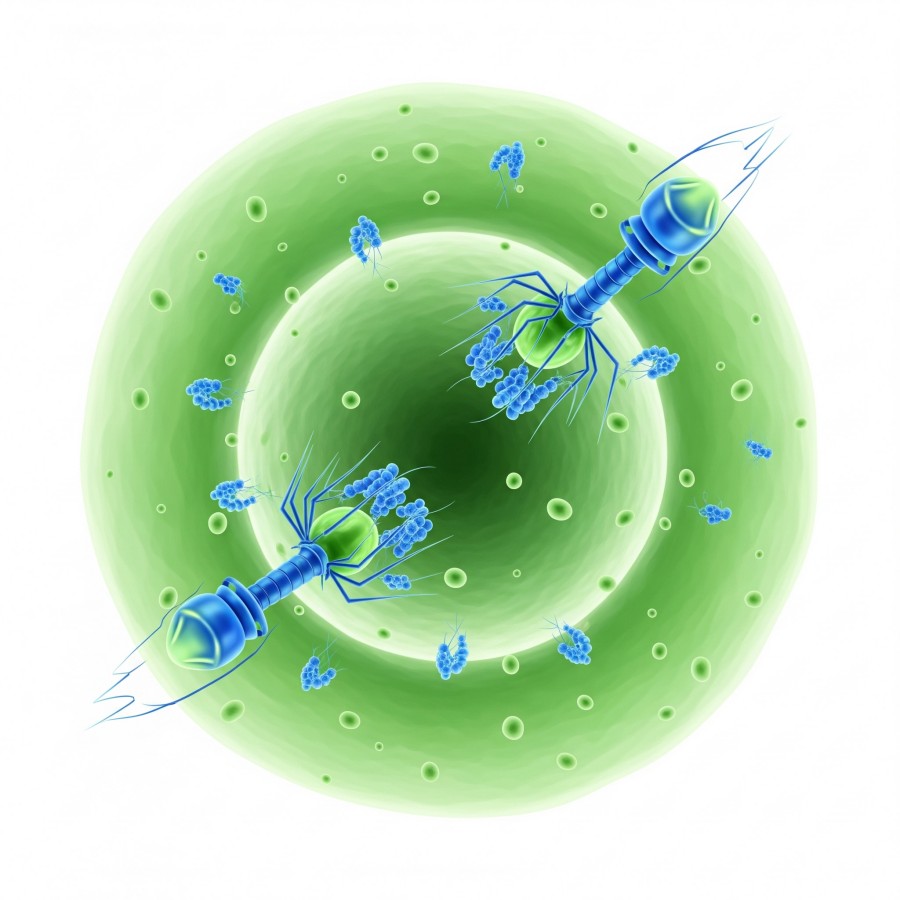
Solution-Sorting Screening

Fig.3 Solution-sorting screening. (Creative Biolabs AI)

Isolate binders for soluble targets in complex environments

Cell-Based Screening

Fig.4 Cell-based screening. (Creative Biolabs AI)

Binder discovery against native receptors, membrane proteins, or whole-cell phenotypes.
In Vivo Phage Library Screening

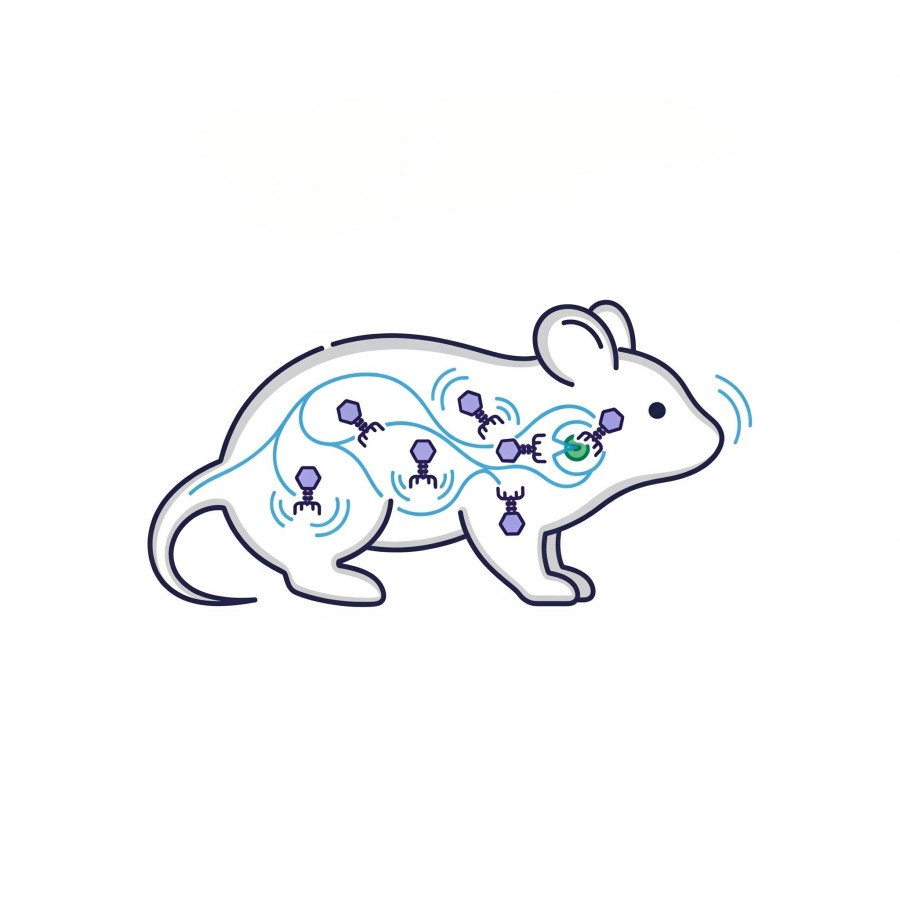
Fig.5 In vivo phage library screening. (Creative Biolabs AI)

Uncover physiologically relevant binders in live models

Ex Vivo Phage Library Screening

Fig.6 Ex vivo phage library screening. (Creative Biolabs AI)

Target discovery in tissue or organ samples

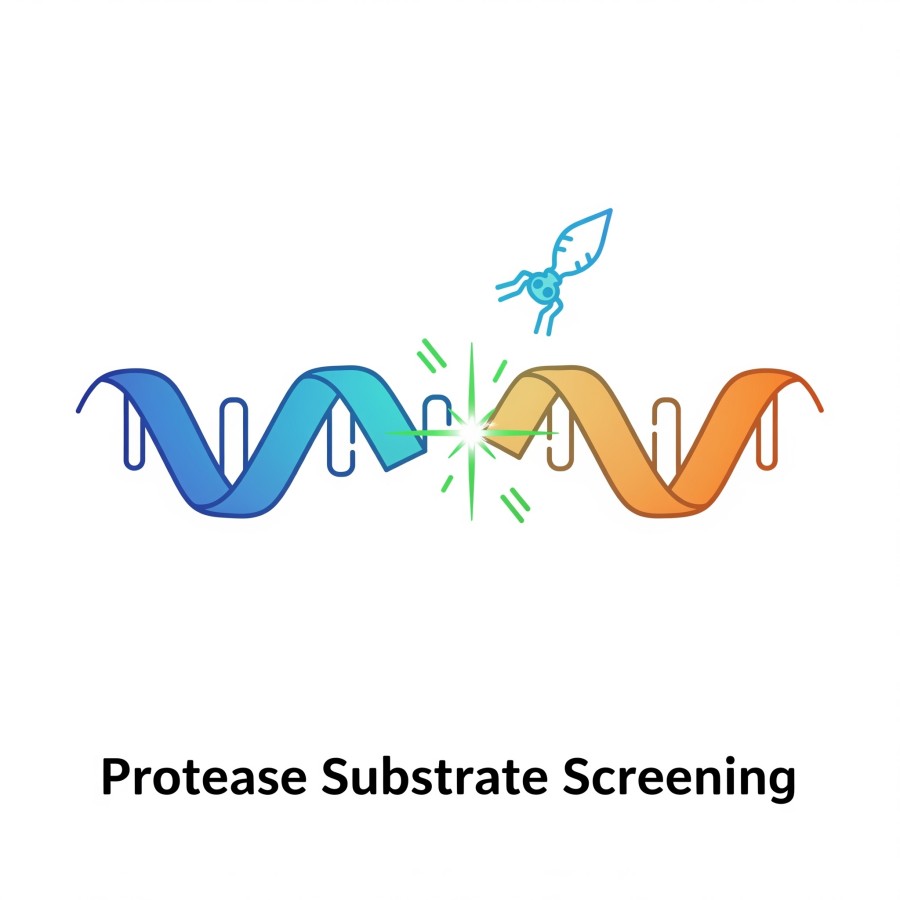
Protease Substrate Screening

Fig.7 Protease substrate screening. (Creative Biolabs AI)

Identify inhibitors or activators of key protease enzymes

Types of Binder We Offer

Functional Screening (Agonist/Antagonist)

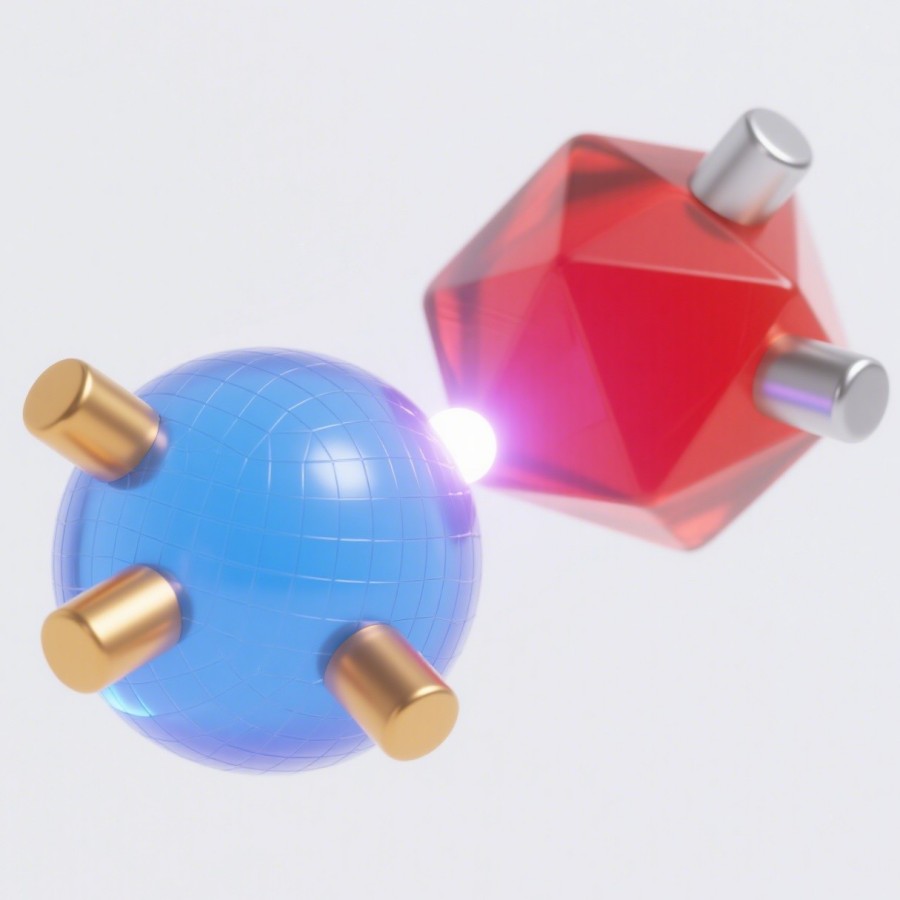
Fig.8 The binding of two molecules. (Creative Biolabs AI).

  • Screen for agonistic or antagonistic binders that modulate specific receptor or enzyme activity.
  • For immunotherapy and autoimmune treatments.
Inhibitor Screening for Protein-Protein Interactions

Fig.8 The binding of two molecules. (Creative Biolabs AI).

  • Identify peptides or antibodies that inhibit specific protein-protein interactions.
  • Designed to target and interfere with disease pathways in cancer, neurodegenerative, and autoimmune disorders.
Competitive Binding Screening

Fig.8 The binding of two molecules. (Creative Biolabs AI).

  • Select binders that block ligand–receptor interactions (e.g., checkpoint inhibitors).
Functional Binding Site Mapping Screening

Fig.8 The binding of two molecules. (Creative Biolabs AI).

  • Identify binders that specifically bind to critical functional sites of proteins, enzymes, or receptors.
  • For targeted drug discovery and the development of enzyme inhibitors or enzyme activators.
Epitope-Specific Screening

Fig.8 The binding of two molecules. (Creative Biolabs AI).

  • Identify binders targeting linear or conformational epitopes for precise therapeutic targeting.
Conformationally Sensitive Screening

Fig.8 The binding of two molecules. (Creative Biolabs AI).

  • Select binders that recognize proteins or antigens only in specific conformations.
  • For discovering therapeutic agents targeting conformational diseases or misfolded proteins (e.g., Alzheimer's).
Multi-Target Screening

Fig.8 The binding of two molecules. (Creative Biolabs AI).

  • Simultaneously screen for binders to multiple targets, such as multi-protein complexes or combination therapies
  • For oncology and polypharmacology.
Multivalent/Complex Antigen Screening

Fig.8 The binding of two molecules. (Creative Biolabs AI).

  • Identify binders for multi-domain proteins, protein complexes, or oligomeric structures
  • For advanced cancer or infectious disease targets.
Internalization Screening

Fig.8 The binding of two molecules. (Creative Biolabs AI).

  • Select ligands that promote cellular uptake.
  • For targeted drug delivery and antibody-drug conjugates (ADCs).
Antigenic Variation Screening

Fig.8 The binding of two molecules. (Creative Biolabs AI).

  • Isolate binders that recognize variant or mutated forms of antigens.
  • For developing therapeutics that remain effective across diverse strains or mutations (e.g., in viral epidemics).
Multispecies Cross-Reactivity Screening

Fig.8 The binding of two molecules. (Creative Biolabs AI).

  • Identify binders that demonstrate cross-reactivity across multiple species.
  • For preclinical studies and therapeutic development in both humans and animal models.
Cell-Subtype/Tissue-Selective Screening

Fig.8 The binding of two molecules. (Creative Biolabs AI).

  • Differential panning to isolate binders specific to disease-relevant subtypes or tissues (e.g., cancer vs. normal cells).
Post-Translational Modification-Specific Screening

Fig.8 The binding of two molecules. (Creative Biolabs AI).

  • Target post-translational modifications such as phosphorylation, glycosylation, or acetylation for more precise biomarker and drug discovery.
Bacterial/Fungal Pathogen Screening

Fig.8 The binding of two molecules. (Creative Biolabs AI).

  • Screen for peptides and antibodies capable of binding and neutralizing bacterial and fungal pathogens.
  • For therapeutic development in infectious disease.
Cellular Stress-Responsive Screening

Fig.8 The binding of two molecules. (Creative Biolabs AI).

  • Identify binders that interact with stress-induced proteins or pathways, important for targeting diseases related to cellular stress.
  • For cancer, neurodegenerative diseases, and metabolic disorders.
Stability/Stress-Resistant Binder Screening

Fig.8 The binding of two molecules. (Creative Biolabs AI).

  • Enrich binders that can withstand harsh conditions (e.g., proteolysis, extreme pH, or high temperatures) for biotechnological applications.
Multi-Round Affinity Maturation Screening

Fig.8 The binding of two molecules. (Creative Biolabs AI).

  • Iterative enrichment to enhance binder affinity, specificity, and stability.
Combinatorial Library Screening

Fig.8 The binding of two molecules. (Creative Biolabs AI).

  • Create combinatorial libraries for screening complex binders with higher diversity.
  • Discovery of novel therapeutic modalities or multi-target strategies.

Comprehensive Workflow - Designed for Efficiency and Success

Fig.9 Project consultation. (Creative Biolabs AI).

Project Consultation

Target overview, project goals, desired antibody characteristics

Assay context, intended application (therapeutic, diagnostic, research)

Success criteria and timelines, risk/contingency planning
Fig.10 Library selection. (Creative Biolabs AI).

Library Selection

Library type: premade / immune / synthetic

Customized screening strategy aligned to target and use case

Input materials and antigen format confirmation
Fig.11 High-throughput screening. (Creative Biolabs AI).

High-Throughput Screening

Tailored biopanning modalities and stringency control
Fig.12 Binder characterization and validation. (Creative Biolabs AI).

Binder Characterization and Validation

Clone identification and diversity assessment (sequencing)

Affinity measurements and functional assays (specificity/activity)

Fig.13 Deliverables. (Creative Biolabs AI).

Deliverables

Comprehensive project report and decision‑ready data

Validated binder sequences

Purified antibodies for downstream development

Discuss Your Target | Request a Proposal

What Sets Our Service Apart?

Rigorous Antigen Quality Control

We begin by verifying the quality and purity of your provided antigen to ensure a successful screening campaign.

Proprietary Libraries

Our diverse and high-quality libraries have a proven history of successfully identifying binders for even the most challenging targets.

Customizable, Stringent, Problem‑oriented Solutions

Tailored services to fit your research objectives, from early-stage discovery to late-stage preclinical testing.

High Sensitivity & Specificity

Ensure the identification of high-affinity, target-specific binders with minimal cross-reactivity.

Rapid Results
Rapid Results

From initial screening to lead discovery, streamline the process of binder identification, ensuring faster time-to-market for therapeutics.

Expert Team
Expert Team

Our team of experienced scientists provides deep knowledge and guidance at every stage, from initial consultation to final data delivery.

Learn How We Can Help

Exploring Case Studies: Real-World Screening Success

At Creative Biolabs, we have successfully applied our advanced Phage Display Library Screening platforms to solve some of the most difficult challenges in antibody, protein, and peptide discovery. Our track record demonstrates not only the technical depth of our team but also our ability to deliver high-value candidates for therapeutic development.

Internalizing Antibody Discovery
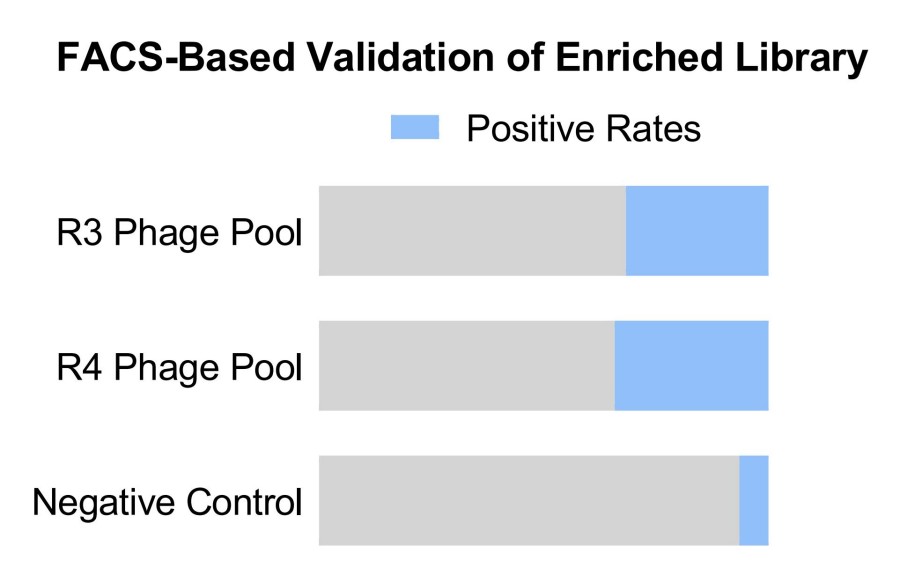
Fig.14 Internalizing antibody discovery. (Creative Biolabs Original).
Multi-Pass Transmembrane Targets
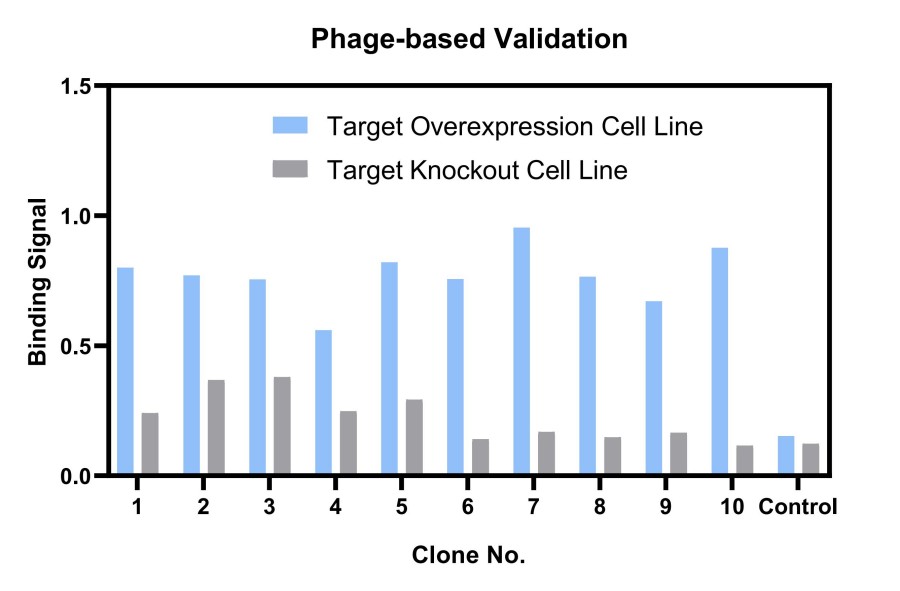
Fig.15 Multi-pass transmembrane targets. (Creative Biolabs Original).
Epitope-Specific Antibody Discovery
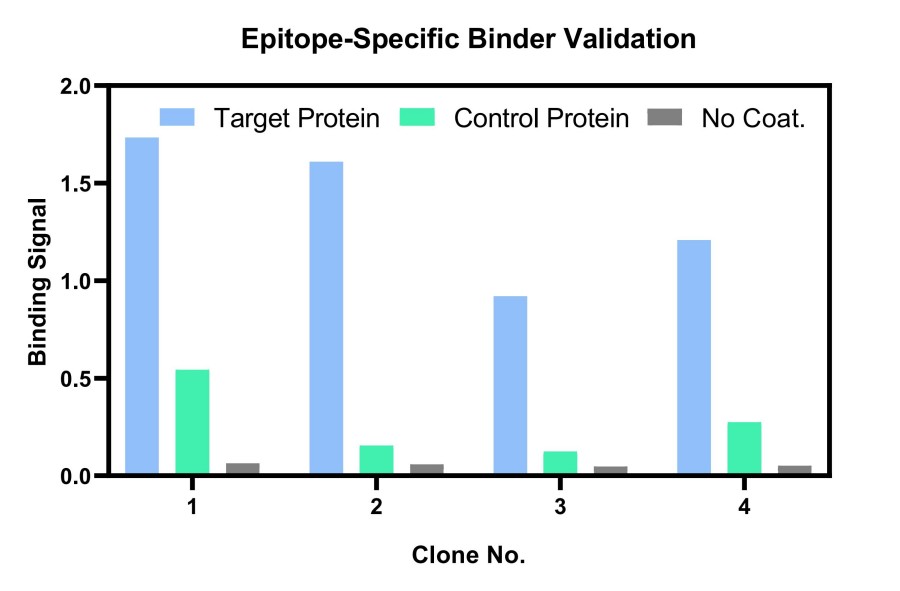
Fig.16 Epitope-specific antibody discovery. (Creative Biolabs Original).
  • Efficiently identified and optimized antibodies with strong internalization capacity.
  • Provided high-quality candidates suitable for antibody-drug conjugate (ADC) programs.
  • Overcame the difficulties of unstable or hard-to-purify protein materials.
  • Utilized cell-based phage display screening and functional assays to generate antibodies against transporter or GPCRs and other multi-pass membrane proteins.
  • Achieved precise epitope recognition, even when target and control differed by only a single amino acid.
  • Provided highly selective antibodies for mechanistic studies and therapeutic development.

Discuss Your Screening Needs

Comprehensive and Professional Applications and Capabilities (Research Services)

Immune Oncology and Modulation

Immune checkpoints (PD-1/PD-L1, CTLA-4), novel immunomodulators, tumor-associated/-specific antigens

Precision Oncology

Antibody–drug conjugate (ADC) candidate antibodies, cell-surface receptor/ligand discovery, personalized targets

Infectious Disease

Antiviral/antibacterial antibodies and peptides; neutralization of toxins or entry factors (e.g., SARS-CoV-2, HIV, HBV/HCV)

Vaccine Development

Protective epitope/peptide isolation for infectious and autoimmune indications

Autoimmune and Inflammatory Disorders

Peptides/antibodies to modulate immune responses (e.g., RA, SLE)

Neurodegenerative Diseases

Binders targeting proteins implicated in Alzheimer's, Parkinson's, and related disorders

Biomarker Discovery and Diagnostics

Disease-specific biomarkers for early detection and companion diagnostics

Targeted Drug Delivery and Trafficking

Tissue/cell-specific ligands; modulators of cellular uptake and intracellular transport

Therapeutic Antibodies and Fragments

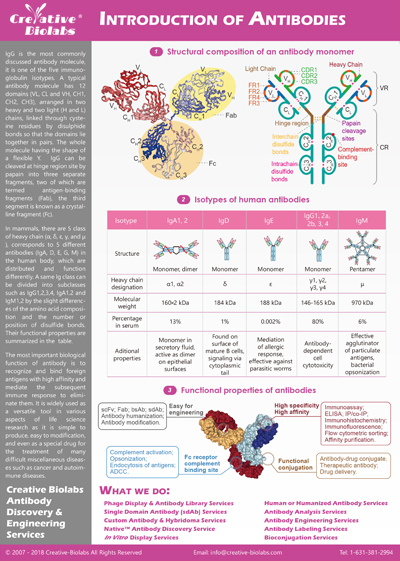
Rapid discovery of high-affinity mAbs, scFv, Fab, and other formats

Enzyme and Protease Modulation

Inhibitors and regulatory peptides for MMPs, caspases, and enzymes in metabolic/genetic diseases

Receptors and Signaling Pathways

GPCRs; cytokines and growth factors; pathway modulators for NF-κB, MAPK, PI3K

Metabolic Diseases

Targets and ligands addressing insulin resistance, lipid metabolism, and related pathways

Nucleic Acids and Gene Regulation

Ligands for DNA/RNA-binding proteins enabling targeted gene regulation and antisense strategies

Creative Biolabs accelerates the journey from target validation to clinical candidate. With a 92% success rate in identifying sub-nanomolar binders and a track record of more than 15 partnered drug programs, we empower researchers to tackle undruggable targets with confidence.

Contact us to explore how tailored screening strategies can transform your discovery pipeline.

FAQs

  1. Q: What is Phage Display and how does it benefit my research project?

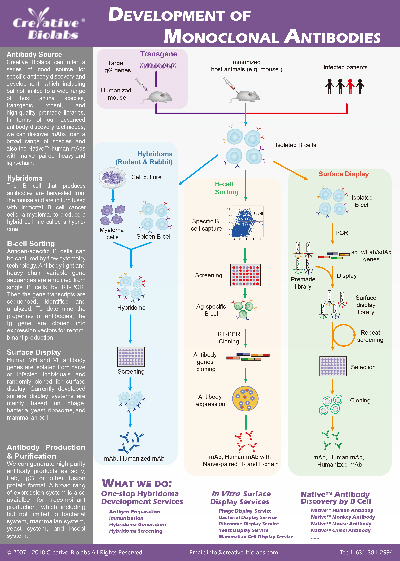
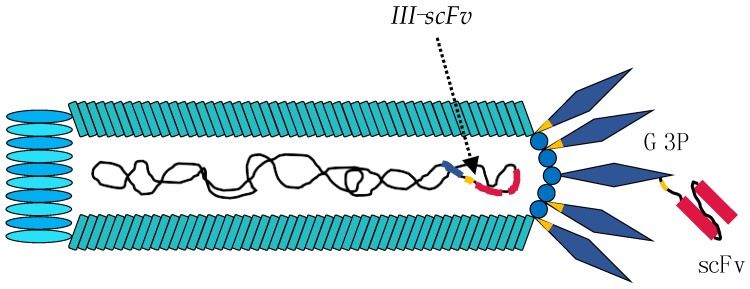
    A: Phage display is a powerful in vitro selection technology used to identify high-affinity binding molecules, such as antibodies, peptides, or proteins. By genetically fusing a target-binding molecule to the surface of a bacteriophage, a vast library of potential candidates can be screened against a specific target.

    This technique is highly beneficial because it allows for the rapid identification of novel binders, provides a high degree of control over the selection process, and can generate fully human antibodies, which can significantly reduce the risk of immunogenicity in therapeutic applications. It is an efficient and scalable alternative to traditional immunization-based methods.

  2. Q: What types of libraries do you offer for screening?

    A: We leverage a diverse and high-quality portfolio of phage display libraries to meet your specific project needs. Our offerings include:

    • Naïve Libraries: Generated from unimmunized donors, these are highly diverse and can be used to discover binders against a wide range of antigens, including non-immunogenic or toxic targets.
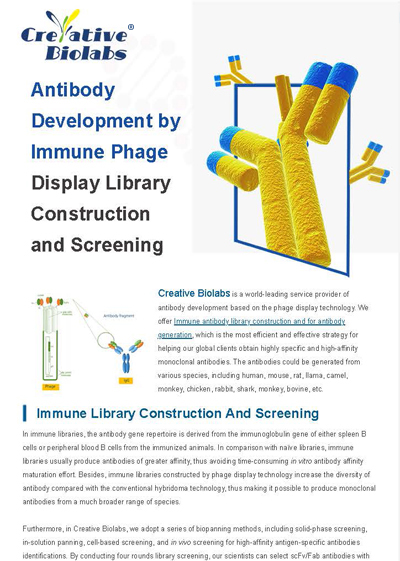
    • Immune Libraries: Constructed from the B-cell repertoires of immunized animals, these libraries are excellent for rapidly identifying high-affinity binders against a specific antigen.
    • Synthetic and Semi-synthetic Libraries: These libraries are designed with controlled diversity to focus on specific binding properties, offering a streamlined path to developable candidates with desirable characteristics.
  3. Q: What types of targets can be screened?

    A: We support soluble proteins, membrane receptors, peptides, carbohydrates, and small molecules, with options for cell lysates or intact cell screening.

  4. Q: Can you handle non-protein targets like DNA or lipids?

    A: Yes, we use biotin-streptavidin conjugation or synthetic liposome embedding to screen against nucleic acids, glycolipids, or other non-protein molecules.

  5. Q: What formats are delivered for positive clones?

    A: Clients receive sequence files, expression vectors, and purified scFv/Fab with >90% purity (SDS-PAGE report).

Request Your Custom Strategy

Resources

Use the resources in our library to help you understand your options and make critical decisions for your study.

Videos Podcasts Infographic Flyer Case study Articles

All listed services and products are For Research Use Only. Do Not use in any diagnostic or therapeutic applications.

Online Inquiry
CONTACT US
USA:
Europe:
Germany:
Call us at:
USA:
UK:
Germany:
Fax:
Email:
Our customer service representatives are available 24 hours a day, 7 days a week. Contact Us
© 2026 Creative Biolabs. | Contact Us