Classic HEK Cell Line derived Exosome Isolation & Development Service: An Ideal Choice for Engineering
Overview Advantages Service Application Products FAQs
Leveraging Biomanufacturing Heritage for Exosome Production
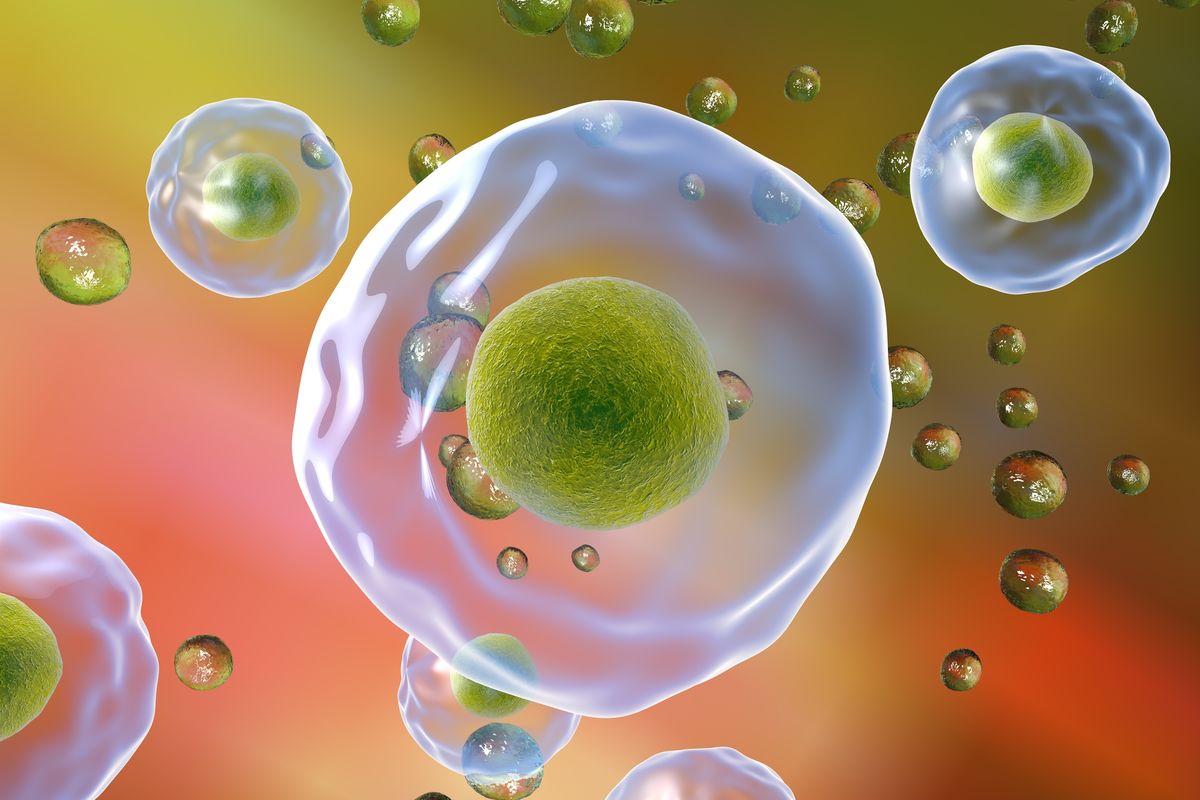
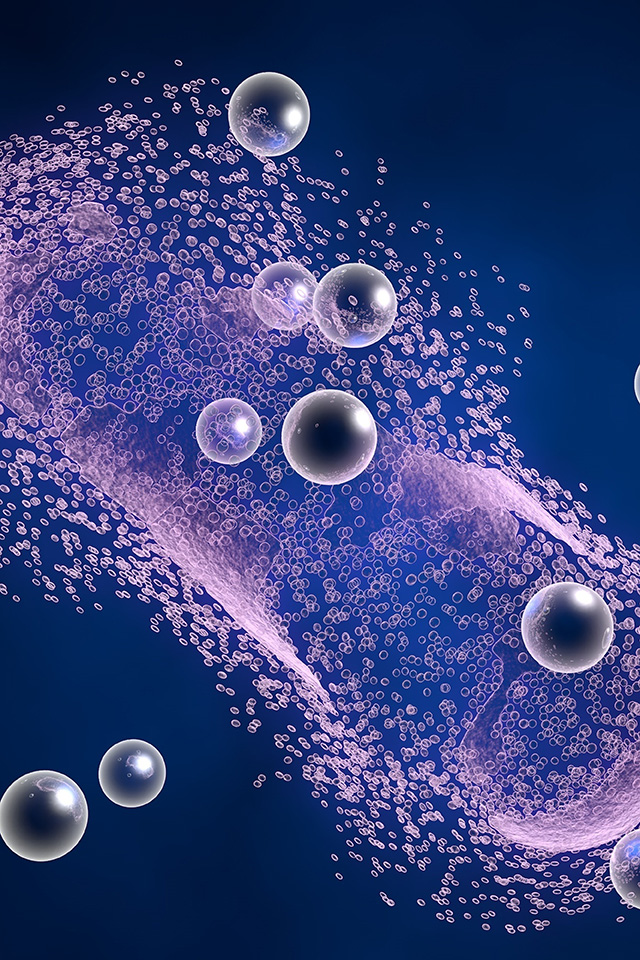
The field of regenerative medicine and advanced drug delivery is increasingly centered on exosomes, as powerful natural nanoparticles. Their intrinsic ability to mediate intercellular communication, transport complex biomolecules, and exhibit low immunogenicity positions them as promising platforms for next-generation therapeutics in oncology, cardiology, and neurology.
However, the translation of exosome-based therapies is limited by challenges in sourcing and manufacturing. While mesenchymal stem cells (MSCs) provide bioactive exosomes, their variability, limited scalability, and costly upstream processing impede industrial application.
To overcome these barriers, Creative Biolabs has established a scalable exosome production platform based on the Human Embryonic Kidney 293 (HEK293) cell line—an industry-standard host for recombinant protein manufacturing. The classic HEK cell line, specifically its suspension-adapted derivatives (e.g., 293-F and 293-T), presents an unparalleled foundation for the large-scale isolation and sophisticated engineering of therapeutic exosomes.
Discover How Our HEK-Based System Can Transform Your Research.
The rationale for HEK293-based exosome production includes:
Process robustness
Culture parameters such as pH, dissolved oxygen, temperature, and nutrient supply in serum-free media are well characterized, ensuring a smooth transition from laboratory to scale bioreactors.
High-density suspension culture
Unlike adherent primary cells, HEK293 variants can be grown in suspension, supporting cost-effective, large-volume manufacturing.
Genetic flexibility
The HEK system allows efficient transient and stable transfection, facilitating incorporation of exogenous cargo, surface display of targeting ligands, and modulation of exosomal content to enhance therapeutic potency.
By leveraging decades of bioprocessing optimization, Creative Biolabs delivers highly consistent, customizable, and scalable exosome preparations, accelerating both research and translational applications in the emerging exosome therapeutics landscape.
Unlock the Potential of HEK-Derived Exosomes. Get in Touch Today.
The Engineering Edge of HEK Cell-Derived Exosomes
The inherent characteristics of HEK-derived exosomes, combined with the technological advantages of the production platform, provide critical benefits for therapeutic development:
Superior Process Stability and Scalability
The established bioreactor kinematics for HEK cells translate directly into highly predictable exosome yields. Achieving maximum volumetric productivity by controlling shear stress and optimizing nutrient utilization in high-density perfusion and fed-batch systems, which results in:
-
Reduced Batch Variability: Minimizing the impact of inherent biological and culture-related factors on exosome quantity and quality.
-
Economic Efficiency: Lowering the cost of goods sold compared to low-yield primary cell systems, accelerating commercial feasibility.
High Genetic Tractability for Exosome Payload Engineering
The relative simplicity of transfecting HEK cells is leveraged for sophisticated exosome engineering:
-
Targeting Ligand Display: The co-expression of exosome-anchoring proteins fused to specific targeting moieties (e.g., scFv fragments, peptides) enables precision delivery to cell types relevant to cancer or neurological disorders.
-
Tailored Cargo Loading: HEK cells are genetically instructed to overexpress or selectively package specific therapeutic molecules, such as oligonucleotides, siRNAs, or novel protein therapeutics, directly into the exosome lumen.
Consistent Physicochemical Profile
HEK exosomes typically fall within the established optimal size range (30-150 nm), facilitating deep tissue penetration and cellular internalization. Furthermore, the use of chemically defined media results in a purer exosome isolate, reducing contamination from serum-derived protein aggregates and simplifying downstream regulatory documentation. The relative consistency of their lipid and protein membrane profile further aids in standardization across manufacturing lots.
Let's Build Your Next Generation Exosome Platform—Request a Consultation.
Creative Biolabs' Classic HEK Exosome Isolation & Development Pipeline
Creative Biolabs offers an end-to-end, modular service specifically designed to leverage the advantages of the HEK platform, supporting our clients from initial concept design through to large-scale research material generation.
Exosome Production
Advanced Isolation and Purification Technologies
Comprehensive Exosome Characterization and Quality Control (QC)
Precision Exosome Engineering
We utilize state-of-the-art bioreactor systems optimized for HEK variants (293-F, 293-T). Our process includes continuous monitoring and adaptive control of all parameters, ensuring maximum cell viability and sustained, high-yield exosome secretion under chemically defined, exosome-free conditions.
Moving beyond differential ultracentrifugation, our platform incorporates highly scalable purification methods essential for therapeutic grade material:
-
Tangential Flow Filtration (TFF): Used for initial concentration and buffer exchange.
-
Size Exclusion Chromatography (SEC): Ion-Exchange and Size Exclusion Chromatography are employed for high-resolution separation, ensuring the final product is minimally contaminated by non-exosomal proteins and cellular debris.
Every exosome batch undergoes rigorous QC analysis compliant with Minimal Information for Studies of Extracellular Vesicles guidelines:
We provide full-spectrum engineering services, including:
-
Genetic Engineering: Stable HEK cell line modification for customized cargo loading or surface display.
-
Drug Encapsulation: Utilizing proprietary methods (e.g., electroporation) to achieve high encapsulation efficiency of small molecule drugs or nucleic acid payloads.
Connect with Our Scientists and Design Your Custom Exosome Solution.
The Translational Impact of Engineered HEK Exosomes
The inherent safety profile and the capacity for precise engineering make HEK-derived exosomes highly relevant across several critical therapeutic areas:
Targeted Drug Delivery Vehicles
HEK exosomes function as ideal bio-nanoparticles for protecting delicate payloads from enzymatic degradation and delivering them specifically to pathological sites.
-
Oncology: Engineering exosomes to display tumor-specific receptors (e.g., HER2, PSMA) allows for targeted delivery of chemotherapeutic agents or oncolytic viral components, maximizing therapeutic index while minimizing systemic toxicity.
-
Neurodegenerative Diseases: The intrinsic ability of exosomes to traverse the Blood-Brain Barrier (BBB) makes HEK-derived, engineered exosomes a crucial vector for delivering nucleic acids (siRNA/miRNA) or protein therapeutics to treat conditions like Alzheimer's or Parkinson's disease.
Novel Therapeutic Modalities
Beyond traditional small molecules, HEK exosomes are being rapidly adopted to deliver novel biologic therapies:
-
Nucleic Acid Therapeutics: High-efficiency packaging of gene editing or therapeutic mRNA, leveraging the exosome's natural protection mechanism.
-
Immunomodulation: Modifying HEK exosomes to carry specific immune checkpoint inhibitors or agonists for fine-tuning the tumor microenvironment or mitigating autoimmune responses.
Ready to Engineer the Future of Therapeutics? Start Your Project with Us.
Accelerating Your Scientific Discovery
To support academic and industrial partners, Creative Biolabs provides standardized, readily available HEK-derived exosome products for foundational research. In addition, we offer exosome isolation kits that enable customers to perform the extraction independently.
FAQs
Q: How does the purity of HEK exosomes compare to those derived from primary cell lines?
A: Because we utilize chemically defined, serum-free media and scalable chromatographic purification (TFF/SEC), the purity profile of HEK exosomes is generally superior. The risk of isolating contaminating serum-derived exosomes or highly variable cellular debris, common in stem cell cultures requiring complex media, is significantly mitigated, leading to a cleaner and more consistent final product.
Q: What is the estimated yield and volume-to-yield ratio achievable with the HEK platform?
A: While specific yields depend on the final culture volume and cell-line variant, we routinely achieve g/L cell densities in bioreactors, translating to exosome yields far surpassing traditional MSC or monocyte-derived systems. We can readily scale production to provide highly purified exosomes required for large animal studies.
Q: Is genetic engineering necessary, or can HEK exosomes be used as "off-the-shelf" carriers?
A: Both approaches are viable. Native HEK exosomes offer a reliable, low-immunogenic carrier scaffold suitable for passive drug loading (e.g., via simple co-incubation or electroporation). However, their highest therapeutic value is unlocked via genetic engineering, which allows for the expression of specific surface markers or enhanced cargo loading, transforming them into truly targeted and proprietary delivery systems.
Discuss Your HEK293 Exosome Strategy with Our Technical Experts.
For Research Use Only. Cannot be used by patients.
Related Services: