Tumor Cell derived Exosome Isolation & Development Service
Overview Advantages Service Application Products FAQs
The Critical Role of Tumor Cell-Derived Exosomes in Cancer Biology
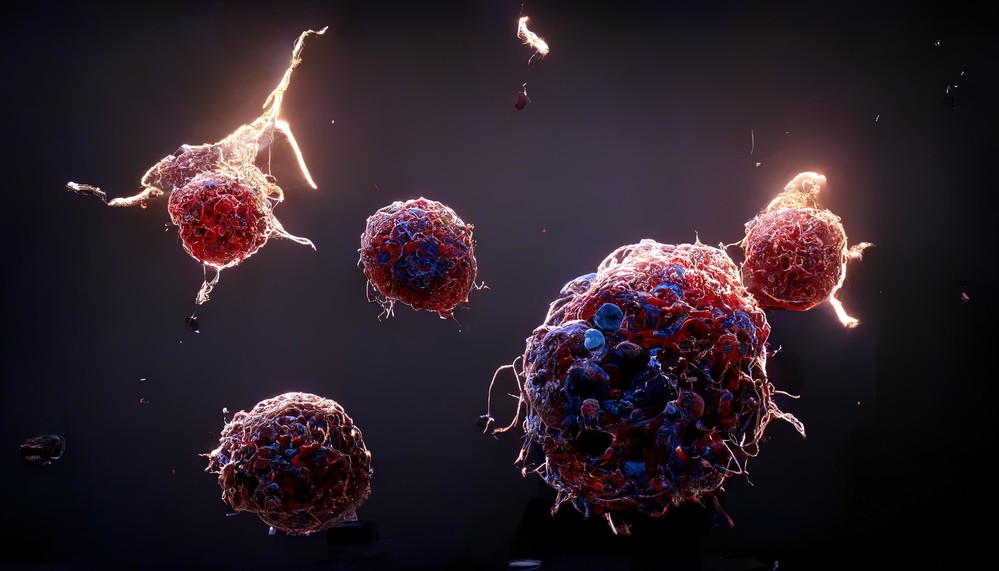
The field of oncology has fundamentally shifted toward understanding the complex, dynamic crosstalk within the tumor microenvironment (TME). Central to this communication are exosomes, typically 30–150 nm in diameter, secreted by virtually all cell types. Among these, tumor cell-derived exosomes (TEXs) represent a particularly compelling research target.
TEXs, shed profusely by various malignant cell lines and primary tumor cells, are not merely cellular debris; they are sophisticated cargo carriers. Their lipid bilayer protects a payload of parent-cell specific proteins, lipids, and nucleic acids (mRNA, miRNA, lncRNA). Through their systemic circulation and uptake by distant recipient cells, TEXs act as key mediators of cancer progression. They actively participate in:
Metastatic Niche Preparation
By transferring pro-angiogenic and immunosuppressive factors.
Immune Evasion
By delivering inhibitory signals to natural killer (NK) cells and T-lymphocytes.
Therapeutic Resistance
By transporting drug-efflux pumps or molecules that silence pro-apoptotic pathways.
The ability to isolate and characterize TEXs derived from established tumor cell lines (e.g., A549, MCF7, HeLa, HCT116 and 4T1, etc.) offers researchers a controlled, scalable, and highly reproducible model to study these mechanisms. Creative Biolabs provides the expertise to move beyond basic isolation, offering an optimized platform for TEX-based translational research.
Unlock the Power of Tumor-Derived Exosomes. Request a Consultation.
Why Focus on Tumor Cell-Derived Exosomes for Research?
While in vivo circulating exosomes offer immediate diagnostic potential, the use of well-characterized tumor cell lines for TEX isolation presents distinct, critical advantages for fundamental and preclinical research:
Homogeneity and Reproducibility
Cultured cell lines provide a genetically stable and controllable source of exosomes, minimizing batch-to-batch variation inherent in patient-derived samples. This level of standardization is paramount for mechanistic studies and drug screening assays, ensuring data integrity suitable for high-impact publications.
Scalability and Yield
Exosomes are secreted continuously in culture. Creative Biolabs' large-scale culture platforms can dramatically increase the yield of high-purity TEXs, facilitating experiments that require significant quantities, such as animal model studies or large-scale cell experiments.
Controlled Perturbation Studies
Utilizing cell lines allows for precise genetic manipulation (e.g., gene knockout, overexpression) or pharmacological treatment prior to exosome isolation. This enables researchers to definitively link specific cellular events (e.g., EMT induction, hypoxic stress, drug exposure) to the resulting exosomal cargo composition and function.
Defined Exosome Population
By rigorously optimizing cell culture conditions and employing advanced isolation techniques, Creative Biolabs ensures a highly enriched TEX fraction, free from confounding factors present in complex biofluids (e.g., plasma proteins, platelet contaminants).
Accelerate Your Oncology Research. Get Your Custom Quote Today.
Creative Biolabs' Comprehensive TEX Isolation & Development Services
Creative Biolabs leverages many years of experience in exosome biology to offer a full-spectrum service suite designed to support every phase of a client's TEX research project, from initial isolation to functional validation.
Customized TEX Isolation
High-Resolution Characterization
Cargo Analysis and Profiling
Functional Assays and Engineering
Our optimized isolation incorporates state-of-the-art techniques.
Rigorous quality control is fundamental. Our service includes comprehensive characterization of the isolated TEXs:
Cargo Analysis and Profiling
Providing deep insights into the molecular payload of the TEXs:
Offering advanced platforms to validate biological activity:
-
Targeted Exosome Loading: Developing methods to load TEXs with therapeutic agents (e.g., siRNAs, small molecule drugs) for targeted delivery studies.
-
Uptake and Functional Studies: Assessing the ability of isolated TEXs to modulate the phenotype of recipient cells (e.g., fibroblasts, endothelial cells, immune cells).
Transform Your Ideas into Exosome-Based Solutions. Contact Our Experts.
Applications: The Translational Frontier of TEX Research
The study of TEXs has moved rapidly from descriptive biology to critical translational applications, all supported by the high-quality reagents and data generated by Creative Biolabs' services:
Biomarker Discovery and Liquid Biopsy
The cargo of TEXs reflects the real-time status of the parent tumor. TEX-associated proteins or miRNAs circulating in patient biofluids are promising non-invasive biomarkers for early cancer detection, monitoring therapeutic response, and predicting recurrence.
Mechanism of Drug Resistance
TEXs are known to transfer multi-drug resistance molecules, actively shielding the tumor from chemotherapy. Studying TEXs from drug-resistant cell lines provides mechanistic insights to overcome clinical resistance.
Immunotherapy Targets
TEXs carry immunosuppressive factors like PD-L1, contributing to immune escape. Characterizing the immunosuppressive TEX cargo is vital for developing next-generation immunotherapies.
Novel Drug Delivery Vehicles
Exosomes naturally home to specific tissues and can cross the blood-brain barrier. They are being engineered as biocompatible nanocarriers to deliver therapeutics with high specificity and low immunogenicity.
Start Your Tumor Exosome Project with Confidence. Speak with Us.
Empowering Client Research with High-Quality Products
To further accelerate client research, Creative Biolabs provides a curated selection of standardized, high-purity products:
A growing catalogue of characterized exosomes derived from dozens of clinically relevant human cell lines (e.g., prostate, lung, breast, colon, melanoma). These standards are provided with comprehensive QC data for immediate use in assays
Specifically formulated isolation reagents and kits that provide a rapid, efficient, and reproducible method for researchers to isolate TEXs in their own laboratories, offering high purity and compatibility with downstream molecular analyses.
A range of validated antibodies targeting exosomal surface markers (e.g., CD63, CD81, CD9) and tumor-specific markers for characterization (Western Blot, Flow Cytometry).
FAQs
Q: Why is it crucial to use a "conditioned" or serum-free medium for cell culture prior to TEX isolation?
A: Standard Fetal Bovine Serum (FBS) is heavily contaminated with bovine-derived exosomes. Using FBS directly will lead to contamination and unreliable results. Creative Biolabs uses Exosome-Depleted FBS or serum-free media optimized for exosome production to ensure the isolated vesicles are purely tumor cell-derived, which is critical for scientific rigor.
Q: What is the minimum amount of cells required for a successful TEX isolation run?
A: The required number varies significantly based on the cell line's secretory capacity. However, for a standard purification yielding sufficient material for downstream sequencing and functional analysis, we typically recommend starting with a minimum of 1×10^6 cells, which we can scale up using our large-capacity culture platforms.
Q: Is the integrity of the exosomal nucleic acid cargo maintained during your isolation process?
A: Absolutely. Our protocols are specifically designed to be gentle. This ensures the integrity of the delicate exosomal RNA cargo, making the resulting samples suitable for sensitive downstream applications like next-generation sequencing.
From Isolation to Engineering—We Support Your Entire Workflow. Contact Us.
For Research Use Only. Cannot be used by patients.
Related Services: