The polysaccharide synthesis locus (psl) is located mainly in the peripheral regions of the biofilm matrix and is a mannose-rich polysaccharide adhesin involved in biotic and abiotic surface attachment and biofilm formation and is important for biofilm maturation and cell attachment. It is hypothesized to be important in adherence to epithelial cells early in infection, likely by facilitating interactions between bacteria. Psl can also serve as a positive feedback signaling molecule, promoting the production of intracellular secondary messenger c-di-GMP. In the initial stage of biofilm formation, especially during antibiotic attacks, Psl is the first line of defense, protecting the immune system. As biofilms mature, Psl provides structural integrity by cross-linking CdrA and eDNA. In addition, Psl is an antigen that is accessible to antibodies and can induce targeted monoclonal antibodies to mediate the modulation, phagocytosis, and killing of Pseudomonas aeruginosa. Pseudomonas aeruginosa can evade immune responses through various factors, including Psl. Therefore, enhancing host immunity with passive immune monoclonal antibodies is a promising therapeutic strategy.
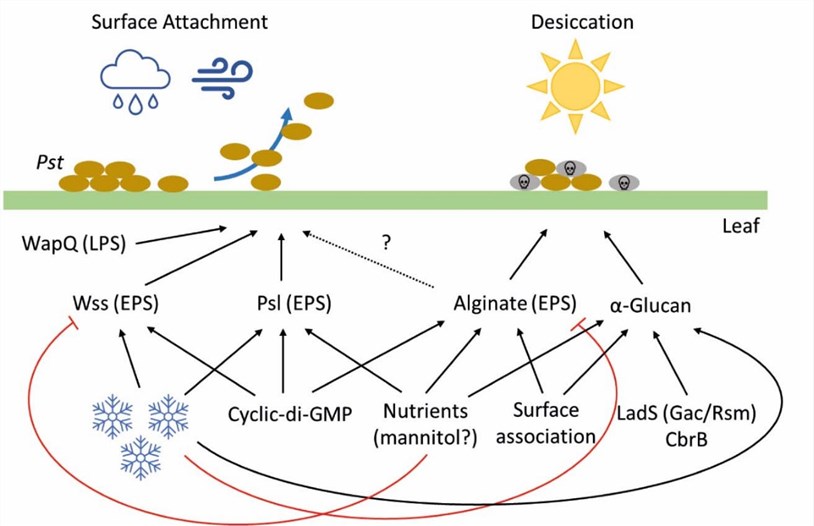 Fig.1 A model explaining the regulation of polysaccharide production and their role in plant infection.1
Reference
Welcome! For price inquiries, we will get back to you as soon as possible.
INQUIRY




SERVICES
PRODUCTS
PLATFORMS