Centella-derived Exosome Research and Application
Botanical Insights Our Services Workflow Our Platform Advantages Deliverables Reviews FAQs
Botanical Insights: The Science Behind Centella Vesicles
The emergence of plant-derived nanovesicles as a focal point of molecular research has opened new possibilities in phytochemistry and dermatological science. Among the most intriguing sources is Centella asiatica, a traditional medicinal plant known for its triterpenoid-rich profile and long-standing application in wound healing and skin rejuvenation. Recent studies suggest that Centella-derived vesicles (CDVs), encapsulating diverse bioactives within protective lipid bilayers, may serve as potent vehicles for skin-relevant molecules.
At Creative Biolabs, we specialize in the research, isolation, and characterization of plant nanovesicles. Our Centella platform supports early-stage discovery and functional exploration tailored to researchers seeking deeper biological insights beyond conventional extract analysis.
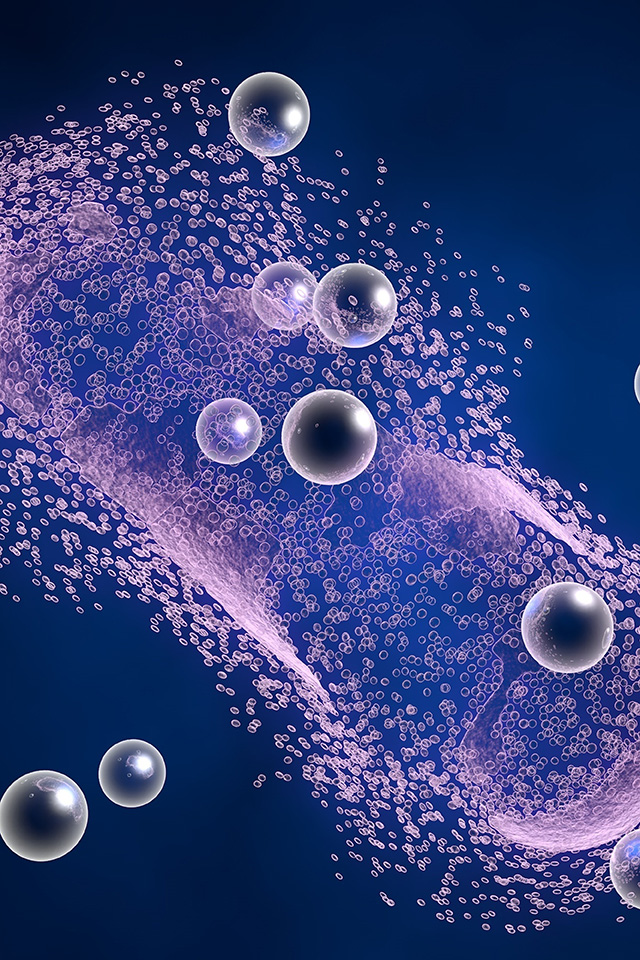
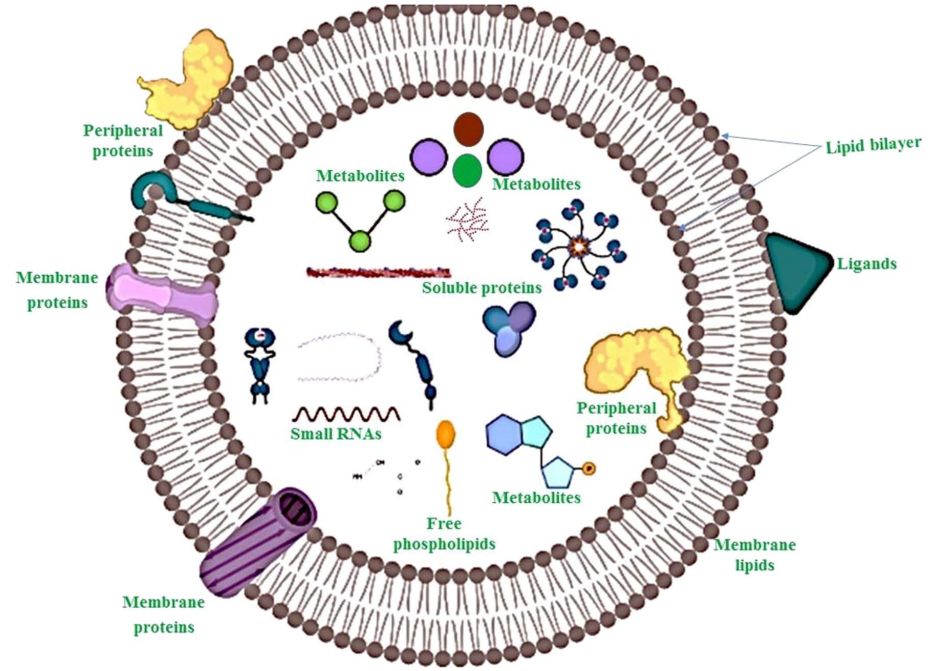 Fig.1 Structure of Plant-derived exosomes.1, 3
Creative Biolabs' Expertise: Customized Support for Centella Vesicle Research
Creative Biolabs offers an array of services to facilitate a comprehensive investigation into Centella-derived exosomes:
-
Raw Material Assessment: We screen and source Centella asiatica biomass based on active triterpenoid concentrations and phenolic content.
-
Isolation Process Optimization: We tailor ultracentrifugation and filtration workflows to preserve vesicle integrity and maximize yield from viscous plant matrices.
-
Exosome Characterization: CDVs are analyzed for size, charge, morphology, and stability using NTA, DLS, TEM, and Zeta potential analysis.
-
Bioactive Profiling: Using advanced UPLC-MS/MS, we quantify encapsulated glycosides, phenolics, and nucleic acids.
-
Functional Assays: We conduct ROS scavenging, wound healing, and barrier-repair tests using human keratinocytes and fibroblast models.
From Plant to Platform: Our Workflow Approach
Creative Biolabs has established a standardized workflow to ensure data reproducibility and integrity:
-
Biomass Processing – Clean and homogenize Centella asiatica biomass under sterile conditions.
-
Pre-Filtration – Centrifuge at low speed and microfilter to remove coarse debris.
-
Vesicle Isolation – Sequential ultracentrifugation steps concentrate vesicle-rich fractions.
-
Biochemical Profiling (Optional) – Analyze for triterpenoids (e.g., asiaticoside, madecassoside), nucleic acids, and antioxidant activity.
-
In Vitro Testing (Optional) – Evaluate cell proliferation, migration, telomere integrity, and water barrier function.
-
Data Delivery – Provide publication-ready reports including protocols, quantitation, and visual analytics (Optional).
Under the Microscope: Creative Biolabs' Advanced Platform
Our analytical technologies allow for high-resolution, reproducible insight into Centella-derived nanovesicles:
-
NTA & TEM for particle visualization and sizing
-
Zeta Potential for charge distribution (Optional)
-
UPLC-MS/MS for detailed metabolite fingerprinting (Optional)
-
qPCR & Bioanalyzer for vesicle RNA content (Optional)
-
Live-cell Imaging & ELISA for bioactivity validation (Optional)
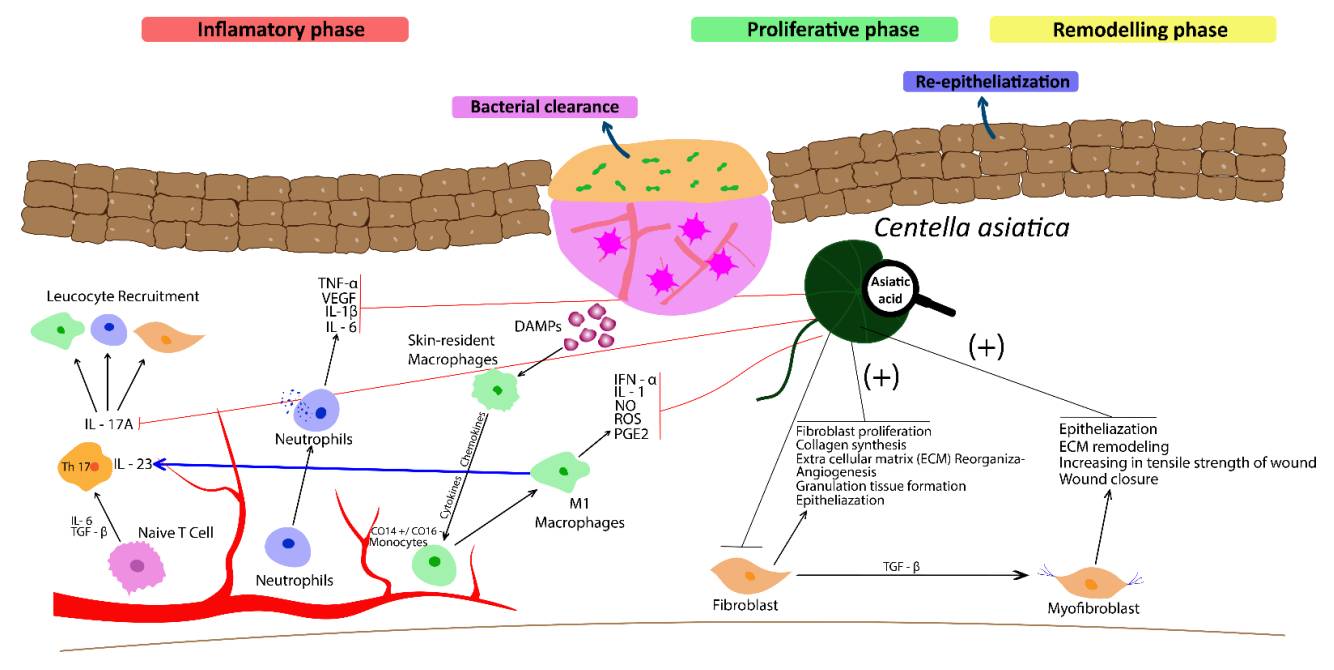 Fig.2 Efficacy of Centella asiatica and its biological components in wound healing.2, 3
What Sets Creative Biolabs Apart
-
Plant Vesicle Specialization: Our team brings niche expertise in botanically sourced vesicles, including complex triterpenoid profiles.
-
Research-Oriented Focus: Creative Biolabs supports foundational research, mechanism exploration, and functional testing, not therapeutic use.
-
Transparent Protocols: SOPs are clearly documented and reproducible, supporting academic publishing and grant requirements.
-
Flexible Project Design: From pilot-scale validation to extended biochemical screening, Creative Biolabs scales services to meet client needs.
Included with Tailored Project
Clients working with Creative Biolabs on Centella-derived exosomes receive:
-
Full morphological and compositional analysis (Optional)
-
Custom extraction and enrichment protocols
-
Functional testing reports (Optional)
-
SOP documentation and QC benchmarks
Client Perspectives
"The Creative Biolabs team helped us distinguish vesicle-associated asiaticosides from free compounds, giving our dataset depth and credibility. Their extraction methods were consistent across multiple batches."
— Dr. HelXXXX
"Partnering with Creative Biolabs gave us insight into how Centella vesicles influence barrier function in vitro. Their imaging and ROS analysis were top-notch."
— Prof. DavXXXX
Centella-derived exosomes open up new avenues in botanical nanotechnology, delivering encapsulated actives in a stable and biologically relevant form. Creative Biolabs' rigorous scientific methodology, advanced tools, and project-tailored service offerings empower researchers to uncover the nuanced roles of these vesicles in skin-related biology. Connect with Creative Biolabs to begin your exploration of Centella-derived vesicles.
FAQs
Q: How do Centella-derived exosomes enhance skin health at a cellular level?
A: Centella-derived exosomes contain bioactive molecules that can promote fibroblast proliferation, enhance collagen synthesis, and reduce oxidative stress in skin cells. By stimulating these cellular processes, the exosomes help improve skin elasticity, hydration, and overall texture while also aiding in the healing of various skin conditions.
Q: What roles do Centella-derived exosomes play in antioxidant protection?
A: The exosomes derived from Centella are rich in antioxidants which help neutralize free radicals that can cause cellular damage. This antioxidant action supports skin resilience against environmental stressors and contributes to maintaining a youthful appearance by reducing signs of aging such as fine lines and wrinkles.
Q: What are the potential applications of Centella-derived exosomes in cosmetic formulations?
A: Centella-derived exosomes can be integrated into various cosmetic formulations, including serums, creams, and masks, aimed at enhancing skin rejuvenation, reducing inflammation, and providing moisture retention. Their ability to enhance skin barrier function and promote wound healing also makes them ideal for targeted formulations addressing sensitive or compromised skin.
Q: Are there any specific experimental methodologies used to investigate the efficacy of Centella-derived exosomes?
A: Researchers often employ techniques such as in vitro cell culture studies, where skin cells are treated with Centella exosomes to assess cell viability, gene expression, and protein synthesis. Furthermore, advanced imaging technologies and molecular assays are used to analyze the uptake of exosomes by target cells and to study their intracellular effects.
Q: How do researchers evaluate the biocompatibility and safety of Centella-derived exosomes for cosmetic use?
A: Biocompatibility is assessed through various toxicity assays, including cytotoxicity tests and skin irritation models. These evaluations help determine the safety profile of Centella-derived exosomes, ensuring they do not elicit adverse reactions when applied topically. Stability studies are also conducted to confirm their effectiveness over time.
Q: What future research directions are being explored in the field of Centella-derived exosomes?
A: Future research might focus on the development of specific formulations that optimize the delivery of bioactive components, the exploration of their effects on various skin types and conditions, and long-term stability studies. Additionally, there's interest in understanding the mechanisms through which these exosomes exert their effects, potentially leading to more tailored applications in skincare.
Q: Can Centella-derived exosomes be used in combination with other skincare ingredients for enhanced effects?
A: Yes, Centella-derived exosomes can synergistically interact with other skincare ingredients, such as hyaluronic acid, peptides, and vitamins. Research into these combinations is ongoing to maximize their benefits, particularly for skin hydration, anti-aging, and soothing properties, which could lead to innovative formulation strategies.
References
-
Nemati, Mohadeseh, et al. "Plant-derived extracellular vesicles: a novel nanomedicine approach with advantages and challenges." Cell Communication and Signaling 20.1 (2022): 69.
-
Diniz, Lúcio Ricardo Leite, et al. "Centella asiatica and its metabolite asiatic acid: wound healing effects and therapeutic potential." Metabolites 13.2 (2023): 276.
-
Distributed under Open Access license CC BY 4.0. The image was modified by revising the title.
For Research Use Only. Cannot be used by patients.
Related Services: