Medicinal Plant-derived Exosome Research & Applications
Overview Advantages Research Potentiality Services Products FAQs
A Nascent Field: The Therapeutic Promise of Medicinal Plant-Derived Exosomes
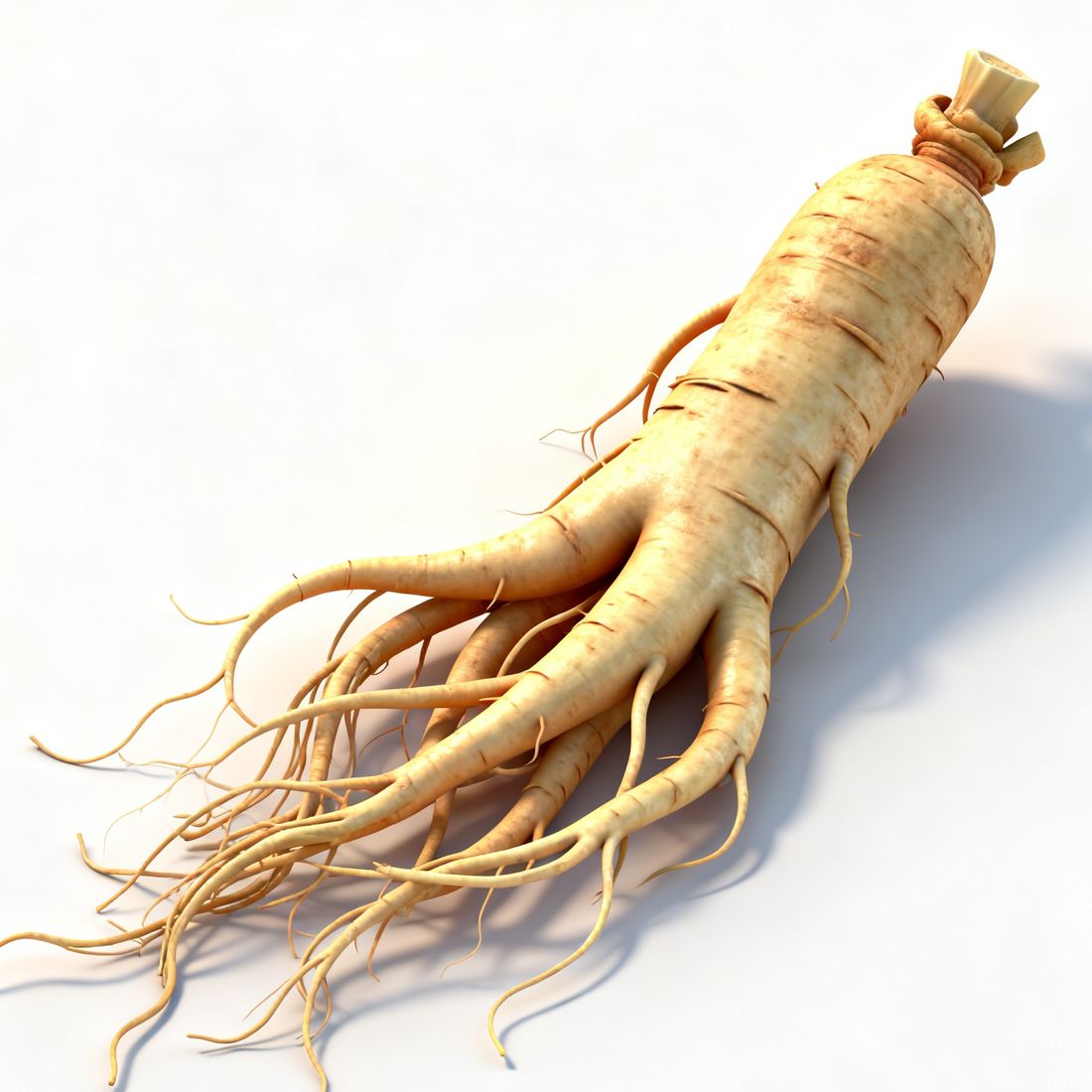
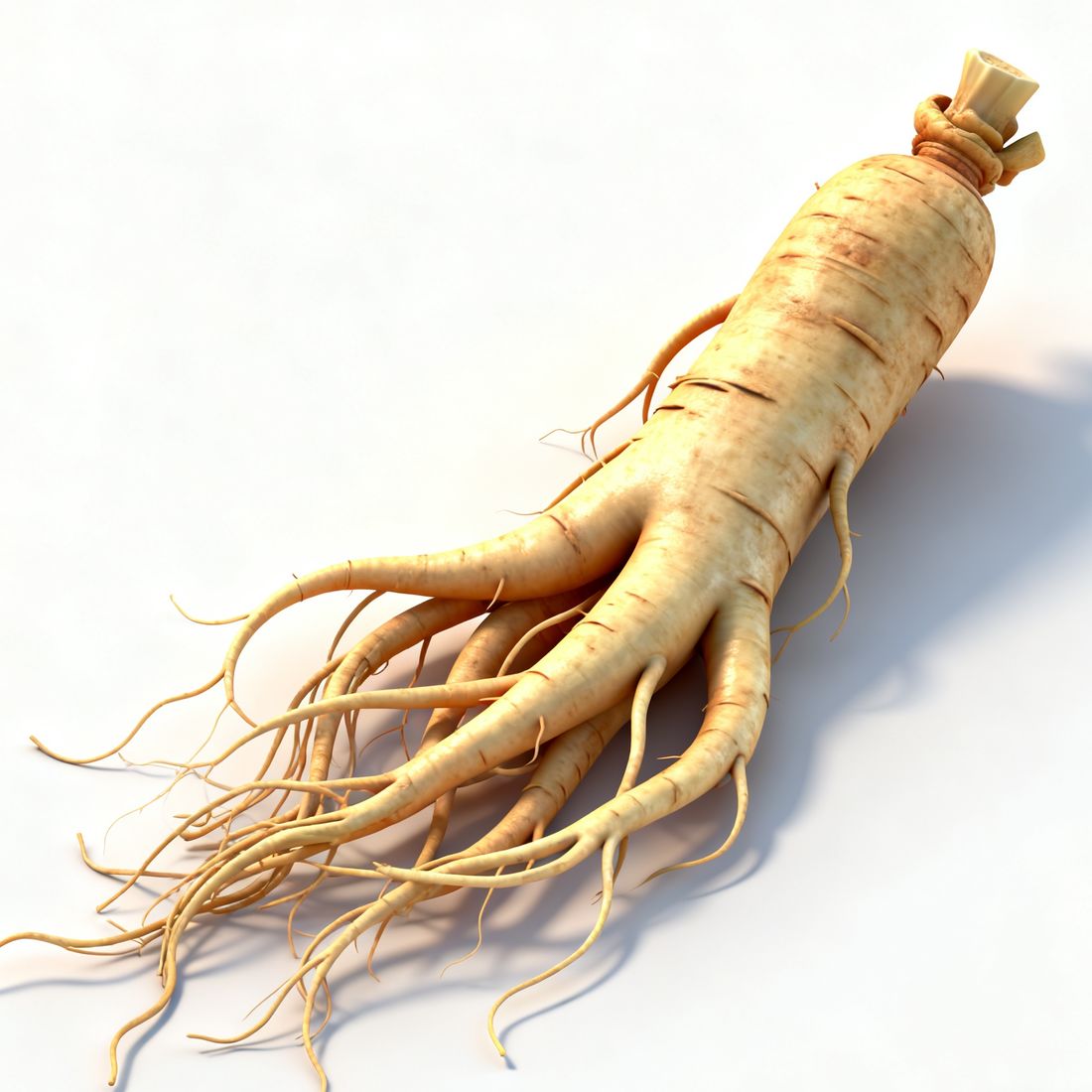
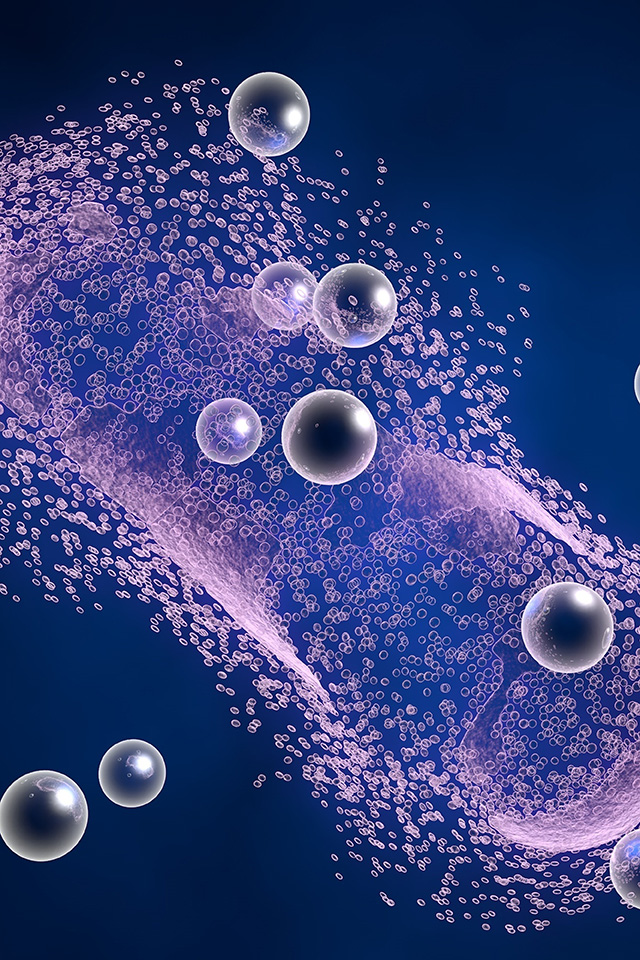
The convergence of nanotechnology and traditional pharmacognosy has opened a new, compelling frontier in biomedical research: the study of medicinal plant-derived exosome (MPExos). For millennia, humanity has relied on the vast chemical libraries of medicinal plants for therapeutic agents. However, understanding the precise mechanisms by which these botanical compounds exert their effects within the human body has often remained elusive. Exosomes, nanoscale vesicles (typically 30-150 nm in diameter) secreted by cells, have been identified as critical mediators of intercellular communication in mammals, transferring a cargo of proteins, lipids, and nucleic acids to recipient cells. Recent evidence now strongly indicates that plants also produce structurally and functionally analogous exosomes.
The exploration of MPEXOs represents a paradigm shift. It moves beyond the traditional extraction of individual active compounds to harnessing nature's own nano-delivery system. These vesicles, secreted into the apoplastic space of plant tissues, are believed to encapsulate a curated selection of the plant's bioactive molecules.
Unlock the Potential of Medicinal Plant-Derived Exosomes. Start Your Project with Us.
Creative Biolabs provides an unprecedented opportunity for investigating these exosomes to discover novel therapeutic agents, elucidate the complex pharmacology of herbal medicines, and develop next-generation delivery platforms that are both sustainable and biocompatible. This burgeoning field stands at the intersection of ethnobotany, molecular biology, and nanomedicine, promising to unlock previously inaccessible therapeutic potential from the botanical kingdom.
Inherent Merits
The intrinsic properties of MPEXOs offer distinct advantages over their mammalian-derived counterparts and conventional synthetic nanoparticles. A hypothetical yet scientifically grounded example can be drawn from the blueberry (Vaccinium genus). Blueberries are renowned for their high concentration of antioxidants, particularly anthocyanins, which are potent free-radical scavengers with established anti-inflammatory and neuroprotective effects. It is hypothesized that exosomes derived from blueberries would encapsulate these potent bioactive molecules, along with other synergistic lipids and RNAs, within a biocompatible lipid bilayer.
Enhanced Bioavailability and Stability
The lipid membrane protects the cargo from enzymatic degradation in the digestive tract and bloodstream, potentially increasing its stability and bioavailability compared to the ingestion of isolated compounds.
Inherent Biocompatibility and Low Immunogenicity
As they are derived from dietary sources, MPEXOs are recognized by the human body as non-foreign. This reduces the risk of immunogenic reactions and cytotoxicity, major hurdles for many synthetic drug delivery systems. Studies suggest MPEXOs can traverse biological barriers and be taken up by human cells, indicating a conserved mechanism of intercellular communication.
Sustainability and Scalability
The production of MPEXOs leverages agriculture, offering a more sustainable, eco-friendly, and potentially more scalable manufacturing pathway than the culture of mammalian cells, which often requires complex, expensive media and carries the risk of contamination with animal-derived pathogens or immunogens.
Intrinsic Therapeutic Cargo
Unlike synthetic liposomes, which are passive carriers, MPEXOs come pre-loaded with a therapeutically active payload. This dual function—as both a carrier and an active agent—makes them exceptionally efficient vehicles for therapeutic intervention.
Turn Medicinal Plants into Next-Generation Therapies. Request a Consultation.
Current Investigations: Probing the Exosomes of Key Medicinal Plant Group
While the field is nascent, pioneering research has already begun to reveal the therapeutic potential of exosomes derived from specific medicinal plants. These investigations validate long-held traditional knowledge through the lens of modern molecular science. Researchers are actively exploring several promising sources:
Explore How Medicinal Plant Exosomes Can Transform Your Research. Connect with Our Experts.
Future Prospects: From Advanced Drug Delivery to Novel Cosmeceuticals
The applications for medicinal plant-derived exosomes span the pharmaceutical, nutraceutical, and cosmetic industries. Their unique combination of safety, biocompatibility, and intrinsic bioactivity positions them as a disruptive technology with far-reaching potential.
Therapeutic Drug Delivery
MPEXOs can serve as natural nanoscale vectors for delivering a wide range of therapeutic agents, including small molecules, siRNA, and proteins. Their ability to cross biological barriers could enable targeted delivery to challenging sites, potentially overcoming issues of drug resistance and improving the therapeutic index of existing drugs.
Novel Drug Discovery
The cargo within MPEXOs represents a pre-selected cocktail of bioactive molecules. High-throughput analysis of their proteomic, lipidomic, and transcriptomic content can lead to the discovery of novel drug candidates and synergistic compound combinations that would be missed by traditional screening methods.
Cosmetics and Nutraceuticals
The anti-inflammatory, antioxidant, and regenerative properties of MPEXOs make them ideal ingredients for advanced skincare formulations and high-efficacy health supplements. They offer a natural, plant-based alternative to synthetic active ingredients, with enhanced stability and skin penetration.
From Nature to Exosome — Let's Build Together. Get in Touch Today.
An Integrated Platform: Enabling Exosome Research from Bench to Bulk Production
At the vanguard of this scientific frontier, Creative Biolabs has established a comprehensive, one-stop platform to facilitate the research and development of medicinal plant-derived exosomes. We empower our clients to translate foundational research into tangible products by providing an integrated suite of services that covers the entire development pipeline.
01Isolation and Development
State-of-the-art protocols for extracting high-purity, high-yield exosomes from a diverse array of medicinal plants.
04Functional Research and Evaluation
Robust testing of exosome products through our extensive portfolio of in vitro and in vivo functional research services. We offer a wide range of disease models to validate therapeutic potential and conduct rigorous evaluations for stability, purity, safety, and production efficiency.
05Large-Scale Production
Mature and scalable extraction processes, including bulk exosome production and lyophilization services, to provide a reliable supply of raw materials for product development.
Discover Innovative Applications of MPEXOs. Schedule a Discussion.
Commercial-Grade Reagents: Purified Exosomes for Research and Development
To accelerate research and development in this exciting field, Creative Biolabs offers a growing portfolio of well-characterized, ready-to-use medicinal plant-derived exosome products. Our catalog includes products tailored for both basic research and commercial applications.
For Research Purposes:
For Skincare and Cosmeceutical Applications:
Should our existing products, their botanical origins, or specifications not align with your precise requirements, we invite you to contact us for a custom production quote. Our team is dedicated to providing tailored solutions for your innovative projects.
Ready to Harness Botanical Exosomes? Request Your Custom Solution.
FAQs
Q: How do medicinal plant-derived exosomes differ from those derived from animal cells?
A: The primary differences lie in safety, sustainability, and cargo. Plant-derived exosomes eliminate the risk of zoonotic disease transmission and prion contamination. Their production is generally more sustainable and scalable. Furthermore, their cargo consists of unique plant-derived secondary metabolites, lipids, and RNAs, offering distinct therapeutic profiles that are not found in mammalian exosomes.
Q: How do you ensure the quality and batch-to-batch consistency of your exosome products?
A: We employ a stringent quality control framework. Each batch undergoes a comprehensive panel of characterization tests, including NTA and TEM, to ensure consistency in size, morphology, and purity. Our standardized extraction and purification protocols are designed to minimize variability and deliver reliable, high-quality products.
Q: Are plant-derived exosomes stable for commercial product formulation?
A: Yes. The lipid bilayer provides natural protection to the cargo. Additionally, we offer lyophilization (freeze-drying) services, which significantly enhances the long-term stability of exosome products, making them highly suitable for integration into various formulations, such as creams and serums.
Bring Your Medicinal Plant Research to the Next Level. Request Expert Support.
For Research Use Only. Cannot be used by patients.
Related Services: