Mulberry Bark-derived Exosome Research & Application
Overview Advantages Research Potentiality Services Products FAQs
Unlocking Ancient Wisdom: The Nanoscale Promise of Mulberry Bark
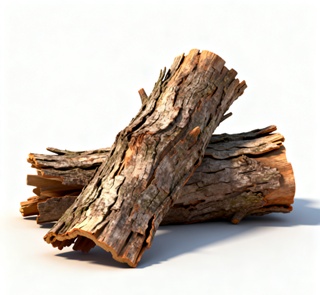
For millennia, the bark of the mulberry tree (Morus alba), known as Mori Cortex, has been a cornerstone of traditional medicine, esteemed for its diverse therapeutic properties. Its applications, ranging from respiratory relief to metabolic regulation, are well-documented in classical pharmacopoeias and increasingly validated by modern pharmacological studies. The efficacy of this botanical remedy is attributed to a rich consortium of bioactive molecules, including flavonoids, polysaccharides, and alkaloids. However, the mechanisms governing the systemic delivery and intercellular communication of these compounds have remained partially obscure. The advent of nanotechnology and exosome research has opened a new, compelling frontier: the investigation of mulberry bark-derived exosome.
These nanovesicles, naturally produced by plant cells, represent an endogenous system for intercellular transport, encapsulating a cargo of proteins, lipids, and nucleic acids within a protective lipid bilayer. This structure not only shields the bioactive payload from degradation but also facilitates its absorption and interaction with recipient cells in mammals. Given that the therapeutic effects of mulberry bark are well-established, it is a logical and scientifically rigorous hypothesis that its exosomes serve as natural carriers for its beneficial constituents. Investigating these exosomes allows us to transition from understanding the bark's crude extract to dissecting its effects at a nanoscale, molecular level. This pursuit promises to unlock more potent, targeted, and refined therapeutic applications, harnessing an ancient remedy through the lens of cutting-edge biological science.
Partner with Us to Unlock the Power of Mulberry Bark Exosomes. Request a Consultation Today.
The Natural Advantage: Superior Delivery and Biocompatibility
|
Aspect
|
Distinct Advantage
|
Scientific/Practical Implication
|
|
Biocompatibility & Safety
|
• Derived from an edible plant source • Low immunogenicity and high tolerance in humans
|
• Reduced risk of immune rejection • Suitable for chronic or immunocompromised patients
|
|
Structural Stability
|
• Lipid bilayer protects bioactive molecules from enzymatic degradation
|
• Enhanced stability in GI tract and bloodstream • Prolonged circulation time and improved absorption
|
|
Improved Bioavailability
|
• Natural encapsulation enhances uptake and retention of active compounds
|
• Enables smaller, more effective doses • Minimizes off-target effects
|
|
Targeted Delivery & Biological Communication
|
• Ability to cross biological barriers (e.g., intestinal epithelium) • Surface ligands enable specific uptake by mammalian cells
|
• Facilitates inter-kingdom communication • Allows precise, nature-orchestrated targeting
|
Advance Your Research with Nature-Inspired Nanotechnology. Let's Start the Conversation.
Pioneering Discoveries: The Science Behind Mulberry Bark Exosomes
While the field of mulberry bark-derived exosomes is nascent, foundational research has already delivered profound insights—particularly in the context of inflammatory gut diseases. A seminal study demonstrated that exosomes isolated from mulberry bark (MB-exosomes) confer significant protection against dextran sulfate sodium (DSS)-induced colitis in a murine model. This work provides a robust proof-of-concept for the therapeutic viability of these exosomes.
Study Overview: MB-Exosomes in DSS-Induced Colitis
|
Research Aspect
|
Key Details
|
|
Objective
|
Evaluate the therapeutic potential of MB-exosomes in experimental colitis
|
|
Isolation Method
|
Ultracentrifugation + Sucrose density gradient centrifugation ensuring high purity
|
|
Animal Model
|
DSS-induced colitis in mice
|
|
Treatment Outcome
|
Significant protection and symptom improvement
|
Observed Therapeutic Effects
-
Macroscopic improvements:
-
Reduced body weight loss
-
Improved stool consistency
-
Diminished intestinal tissue damage (histological confirmation)
-
Microbial and molecular modulation:
-
Reshaping of gut microbiota toward a healthier composition
-
Enhanced secretion of antimicrobial peptides by intestinal epithelial cells
-
Strengthened gut barrier and innate defense
Mechanistic Insights: The AhR/COPS8 Axis
|
Mechanistic Finding
|
Biological Significance
|
|
Activation of AhR (Aryl Hydrocarbon Receptor) Pathway
|
MB-exosome uptake triggers AhR signaling in intestinal epithelial cells
|
|
Induction of COPS8 Expression
|
AhR activation upregulates COPS8, a key protective mediator
|
|
Genetic Validation
|
In COPS8 knockout mice, protective effects of MB-exosomes were abolished
|
|
Novel Discovery
|
Revealed a new plant–mammal communication axis (AhR/COPS8) governing anti-inflammatory and host-defense responses
|
This discovery not only substantiates the therapeutic potential of MB-exosomes for inflammatory bowel disease (IBD) but also opens an entirely new chapter in our understanding of inter-kingdom communication, where plant-derived exosomes directly regulate mammalian immune and defense pathways.
Transform Discovery into Application — Connect with Our Experts to Learn More.
A Horizon of Possibilities: The Therapeutic Potential of MB-exosomes
The established benefits of mulberry bark, combined with the groundbreaking findings from recent exosome research, illuminate a vast landscape of potential applications for MB-exosomes. Their demonstrated anti-inflammatory and gut-modulatory properties position them as a prime candidate for the prevention and treatment of inflammatory bowel diseases like Crohn's disease and ulcerative colitis. However, their potential extends far beyond gastroenterology.
Respiratory Health
Alleviate inflammation in asthma, bronchitis, and respiratory infections through localized delivery.
Metabolic & Cardiovascular Support
Improve glucose and lipid regulation, protecting against diabetes and atherosclerosis.
Oncology
Inhibit tumor growth or serve as natural nanocarriers for targeted drug delivery.
Hepatoprotection
Reduce oxidative stress and regulate liver function in metabolic liver diseases.
Dermatology & Cosmeceuticals
Enhance anti-aging, whitening, and photoprotection through improved skin penetration.
Ready to Explore the Therapeutic Potential of MB-Exosomes? Speak with Our Scientists.
Your Partner in Innovation: Our Comprehensive R&D Platform
At Creative Biolabs, we are uniquely positioned to catalyze the translation of this potential into tangible outcomes. We offer a comprehensive, end-to-end platform for the research and development of mulberry bark-derived exosomes, providing a one-stop solution for both academic and industrial researchers.
Our Integrated Service Pipeline
Our collaboration journey is designed to empower innovation—from basic discovery to preclinical development and commercial translation—delivering scientific precision, scalability, and reliability at every step.
From Concept to Breakthrough — Get in Touch to Discuss Your Project.
Tailored for Your Success: Custom-Produced Mulberry Bark Exosomes
While the exploration of mulberry bark-derived exosomes is a specialized field, Creative Biolabs is committed to making this innovative resource accessible. We offer custom production of high-quality MB-exosomes, tailored to meet specific research or commercial needs — whether as a raw material for advanced skincare formulations or as a research-grade reagent for scientific studies.
Bring Innovation to Market with Plant-Derived Nanovesicles. Request a Custom Quote.
FAQs
Q: What makes mulberry bark-derived exosomes a promising therapeutic agent?
A: Their promise lies in the combination of a potent bioactive cargo, inherited from a plant with a long history of medicinal use, and the superior delivery vehicle of the exosome itself. This results in high biocompatibility, enhanced stability and bioavailability, and the potential for targeted delivery to mammalian cells.
Q: How do you ensure the purity and quality of your custom-produced exosomes?
A: We employ a multi-step purification protocol followed by rigorous quality control. Each batch is characterized using a suite of analytical methods, including NTA, TEM, and molecular profiling (e.g., proteomics), to confirm its size distribution, morphology, purity, and cargo identity, ensuring consistency and reliability.
Q: What is the typical yield of exosomes from mulberry bark?
A: The yield can vary depending on factors such as the source, age, and processing of the bark. This is why we conduct a small-scale evaluation study for each new project. This allows us to optimize the extraction protocol and provide you with a reliable estimate of the achievable yield before committing to large-scale production.
Q: Can Creative Biolabs assist with downstream functional studies?
A: Absolutely. Beyond isolation and production, our platform is fully equipped to support downstream applications. We offer a comprehensive range of services, from in vitro cell-based assays to in vivo animal model studies, to help you validate the therapeutic efficacy and elucidate the mechanism of action of your mulberry bark-derived exosomes.
Q: What is the process for initiating a custom production project?
A: The process begins with a consultation to discuss your specific research needs and objectives. Following this, we will propose an evaluation project to determine the feasibility and extraction efficiency. Based on the results of this initial phase, we will provide a detailed quote for a full-scale custom production run. Contact us to begin exploring the vast potential of these natural nanovesicles.
Turn Mulberry Bark Exosome Science into Real-World Solutions. Contact Us Today.
For Research Use Only. Cannot be used by patients.
Related Services: