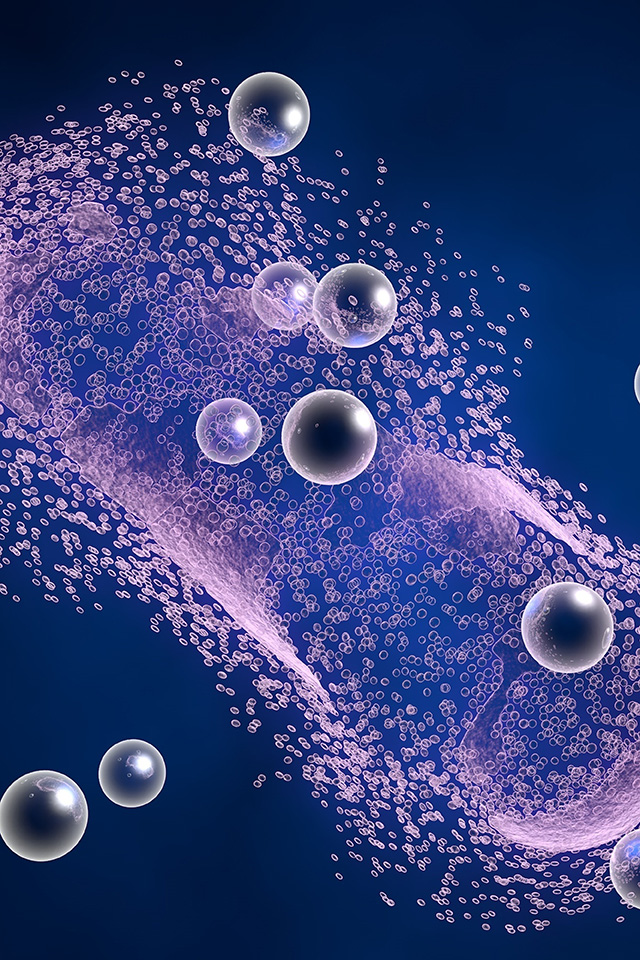

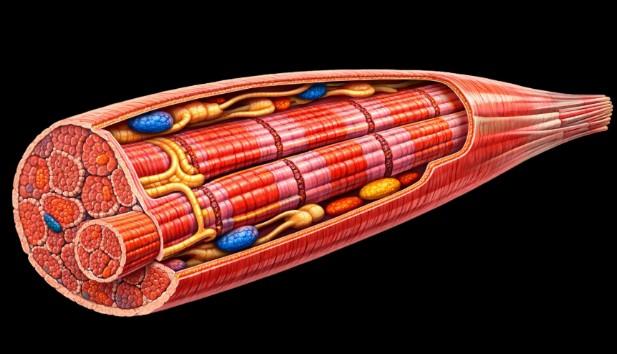
In the burgeoning landscape of exosome research, skeletal muscle has emerged not merely as a contractile tissue for locomotion, but as a sophisticated endocrine organ. Central to this systemic regulatory role are Skeletal Muscle Cell Derived Exosomes (SkMCExos), nanoscale vesicles (30 to 150 nm), that encapsulate a rich cargo of bioactive lipids, proteins, and noncoding RNAs.
The therapeutic impetus for harnessing SkMCExos stems from their innate ability to mediate "myokine" effects without the limitations of synthetic delivery vehicles. These vesicles are the primary language of the myogenic niche, facilitating crosstalk between skeletal muscle satellite cells (SkMSCs), fibroblasts, and endothelial cells. Whether it is the restoration of muscle mass in denervated atrophy or the mitigation of renal fibrosis in diabetic nephropathy, SkMCExos act as biological master regulators. At Creative Biolabs, we recognize that the potential of these vesicles lies in their specificity. By leveraging the natural tropism and signaling potency of myoblast and skeletal muscle satellite cell derived exosomes, we provide a gateway to treating complex pathologies ranging from sarcopenia to systemic metabolic disorders.
Discover Our Expertise in Skeletal Muscle Cell derived Exosome Solutions. Request a Consultation.
The strategic selection of skeletal muscle cells as a source for exosome development offers several distinct advantages over traditional mesenchymal stem cell derived exosomes:
SkMCExos are naturally enriched with miRNAs and myogenic factors that directly promote skeletal muscle satellite cell activation and myoblast fusion, offering superior efficacy in muscle repair compared to generic EVs.
Unlike many cell types that may inadvertently promote scarring, exosomes derived from healthy myoblasts and skeletal muscle satellite cells have been shown to actively suppress the TGFβ1/Smad3 pathway. This makes them uniquely qualified to resolve fibrous tissue hyperplasia, a critical barrier in regenerative medicine.
Research indicates that SkMCExos can stimulate angiogenesis via VEGF pathways, utilizing ROS activated NFκB signaling and specific miRNA transfer to restore capillary density in ischemic or diabetic tissues.
The robust nature of skeletal muscle cells allows for efficient genetic modification. At Creative Biolabs, we can engineer these cells to produce exosomes decorated with targeting moieties, such as the RVG peptide, facilitating high affinity binding to distal organs like the kidney or brain.
Advance Your Research with Skeletal Muscle Cell Derived Exosomes. Talk to Our Experts.
At Creative Biolabs, we are more than a service provider; we are your intellectual partner in deciphering the complexities of the skeletal muscle secretome. Our decades of expertise ensure that your research is supported by the most rigorous scientific methodologies and innovative technologies available in the field of exosome. Our services are categorized into three core pillars:

We utilize advanced technologies to ensure maximum purity and yield. In addition, our proprietary platform combines tangential flow filtration (TFF) with size exclusion chromatography (SEC) to eliminate contaminating protein complexes and ensure the structural integrity of the vesicles.
To meet the rigorous standards of high impact journals, we provide:
We assist clients in developing designer exosomes. This includes:
Seek Customized Skeletal Muscle Exosome Development Services. Contact Us Today.
The versatility of SkMCExos is demonstrated across a spectrum of therapeutic frontiers:
Exosomes derived from skeletal muscle satellite cells have shown remarkable success in reversing denervation induced atrophy. By targeting the TGFβ1, Smad3 and Pax7 combined axis, these exosomes inhibit the activation of fibroblasts, thereby reducing fibrosis and allowing for the unhindered regeneration of myofibers.
The muscle and kidney axis is a prime example of the endocrine reach of SkMCExos. Engineered exosomes loaded with the miRNA cluster have been shown to ameliorate renal tubulointerstitial fibrosis (TIF) by repressing target genes like Lpp and Zbtb20. This opens new doors for treating Diabetic Nephropathy (DN) through muscle sourced therapeutics.
In metabolic diseases such as Type 2 Diabetes, loss of muscle microvasculature is a hallmark. SkMCExos serve as potent proangiogenic agents that enhance the migration and tube formation of endothelial cells, offering a non VEGF dependent route to revascularization.
Unlock the Potential of Skeletal Muscle Cell Derived Exosomes. Request a Quote.
To facilitate rapid discoveries, Creative Biolabs provides a suite of products:
Looking for Reliable Skeletal Muscle Cell Derived Exosome Solutions? Get in Touch.
A: Our exosomes are provided in PBS or physiological saline. For long term storage, we recommend -80°C. We also provide stability testing services to ensure your vesicles remain functional during downstream applications.
A: We offer specialized loading services including electroporation, sonication, and incubation for cargo such as siRNA, miRNA mimics, or small molecule inhibitors.
A: Yes. While they have a natural affinity for muscle tissue, we can modify the surface proteins (e.g., adding Lamp2b targeting peptides) to redirect these exosomes to the liver, heart, or brain.
A: Our exosomes are stabilized in specialized buffers. When stored at -80°C, they maintain their morphological integrity and biological activity for 12 months. In addition, we also offer lyophilized exosomes, which can be stored for one year at 4°C.
A: Absolutely. Through our development service, we can provide "designer exosomes" loaded with your specific molecule of interest via electroporation or parental cell engineering.
From Isolation to Development. Let Us Support Your Skeletal Muscle Cell Exosome Project.