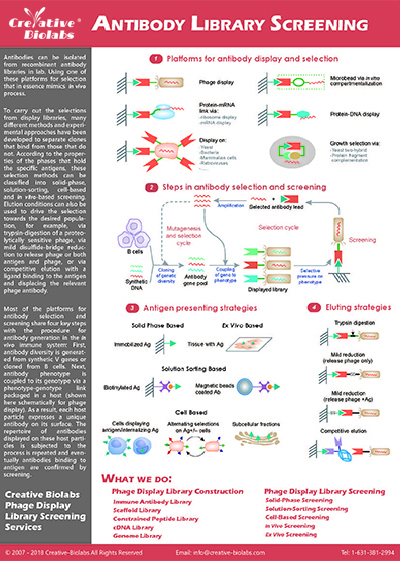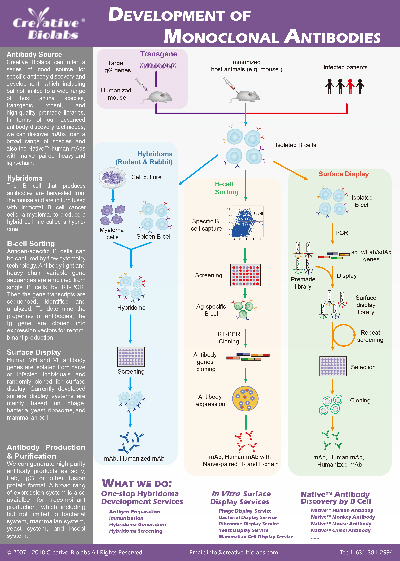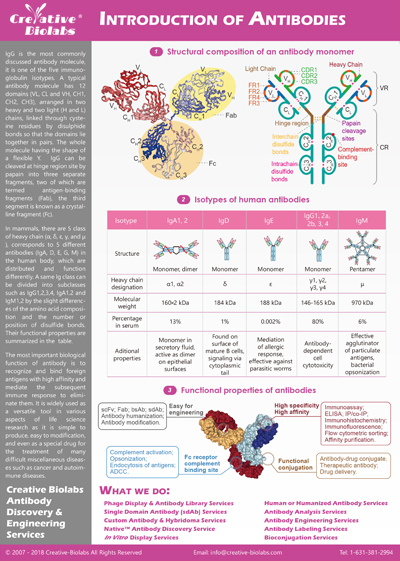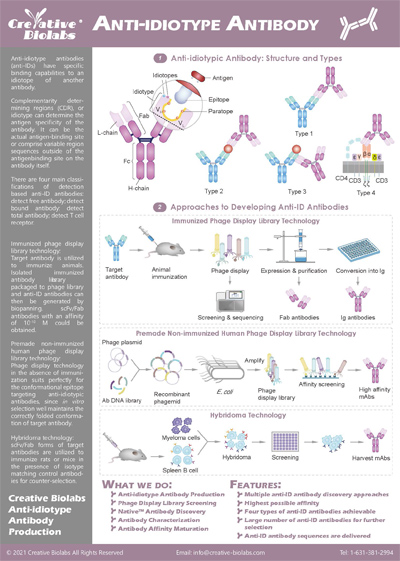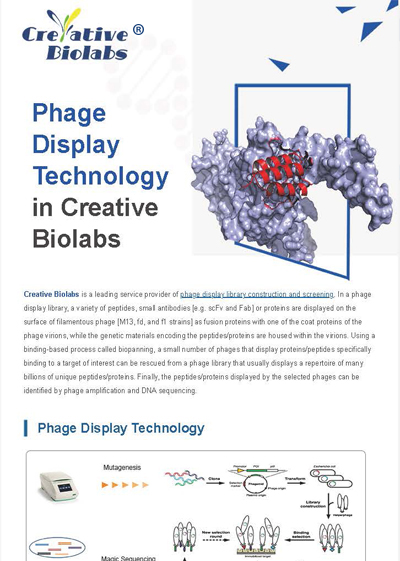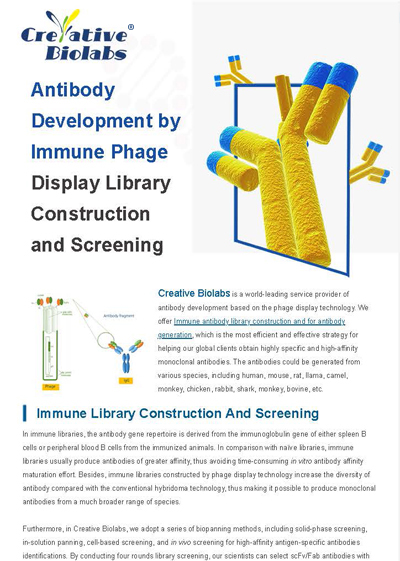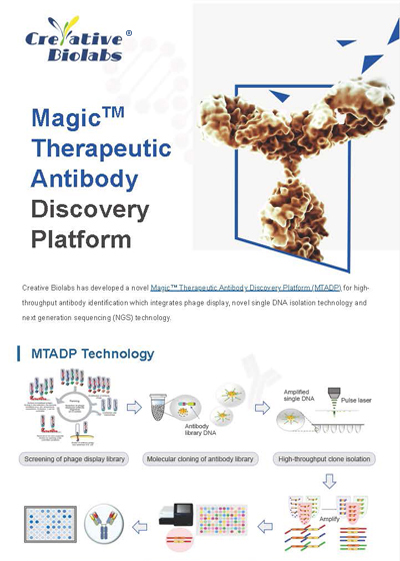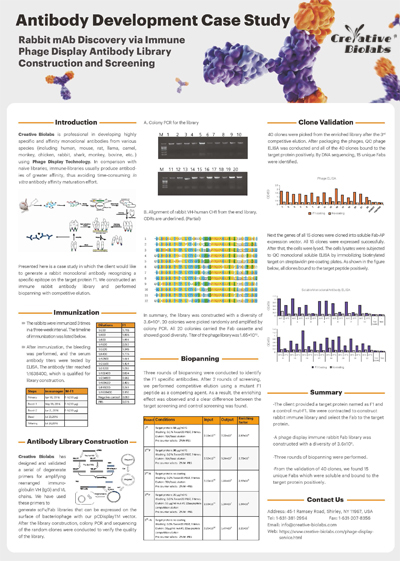
Creative Biolabs is offering the most comprehensive services for antibody development projects. With strict regulation and effective execution, we are dedicated to providing the most valuable solutions to complete your projects.
HighlightsCreative Biolabs is offering the most comprehensive services for antibody development projects. With strict regulation and effective execution, we are dedicated to providing the most valuable solutions to complete your projects.
HighlightsCreative Biolabs has established a broad range of platforms for developing novel antibodies or equivalents. These cutting-edge technologies enable our scientists to meet your demands from different aspects and tailor the most appropriate solution that contributes to the success of your projects.
HighlightsWith deep understanding in antibody-related realms and extensive project experience, Creative Biolabs offers a variety of references to help you learn more about our capacities and achievements, including infographic, flyer, case study, peer-reviewed publications, and all kinds of knowledge that can assist your projects. You are also welcome to contact us directly for more specific solutions.
HighlightsGet a real taste of Creative Biolabs, one of the most professional custom service providers in the world. We are committed to providing highly customized comprehensive solutions with the best quality to advance your projects.
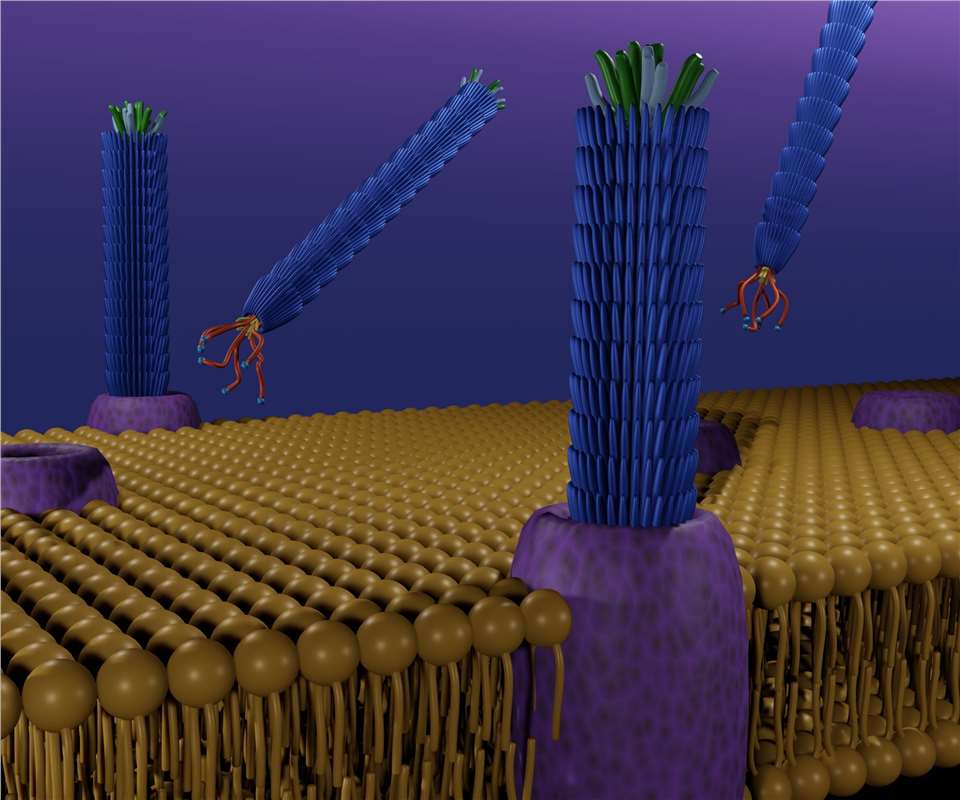
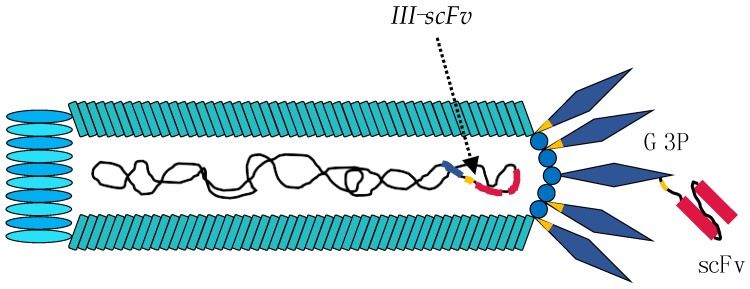
HighlightsThe integration of phage display with cDNA libraries addresses critical challenges in functional proteomics. Conventional approaches often fail to express cytoplasmic or transmembrane proteins due to incompatibilities with prokaryotic secretion machinery. Innovations such as M13 phage-derived pIII/pVIII fusion systems, T7 phage display platform, and λ phage packaging strategies have expanded the scope of displayable proteins, including those requiring eukaryotic folding environments.
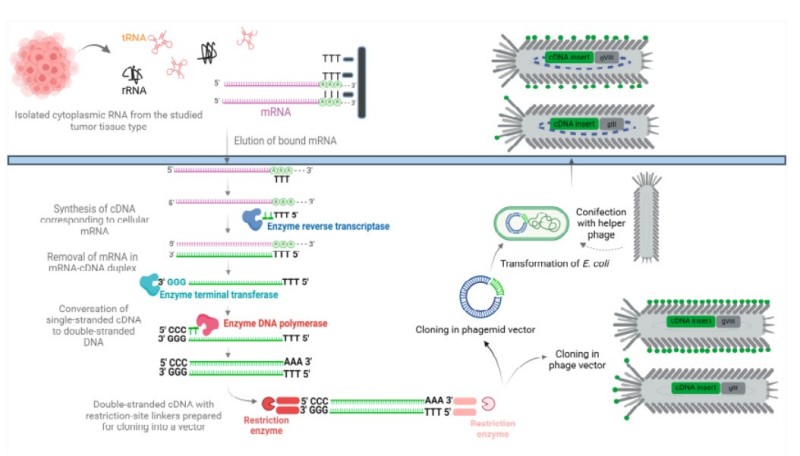 Fig. 1 cDNA libraries are constructed using phage engineering.1
For instance, leucine zipper-mediated indirect display (e.g., cFos/cJun fusions) and pVI-C-terminal fusion systems bypass translational termination signals inherent in eukaryotic mRNAs, ensuring functional presentation of full-length cDNA products. As next-generation sequencing and machine learning refine library design and hit prioritization, phage-displayed cDNA libraries are poised to unlock novel therapeutic targets and diagnostic biomarkers, cementing their role as indispensable tools in precision medicine.
Turn Ideas into Discovery. Request a Consultation.
The foundation of our cDNA library construction service is that integrates high-efficiency molecular cloning with advanced biopanning and bioinformatic analysis. This platform is meticulously engineered to maximize library diversity and ensure the faithful representation of the source transcriptome.
We utilize advanced reverse transcription protocols to generate full-length, high-fidelity cDNA from minimal RNA input, a critical step for preserving the integrity of the expressed protein library. This includes robust methods for amplifying and normalizing cDNA to ensure even representation of both high- and low-abundance transcripts.
Our proprietary ligation and electroporation protocols enable the generation of libraries with complexities exceeding 109 independent clones. This scale is crucial for ensuring that even rare transcripts from the starting material are included in the final library, thus providing a comprehensive and unbiased representation of the proteome.
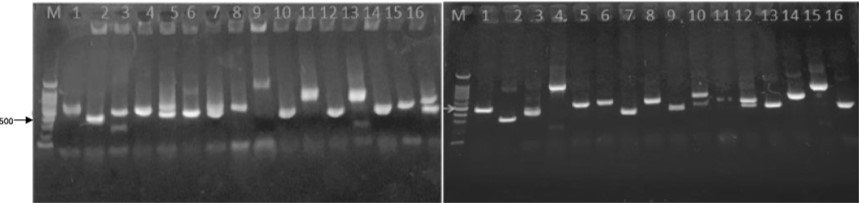
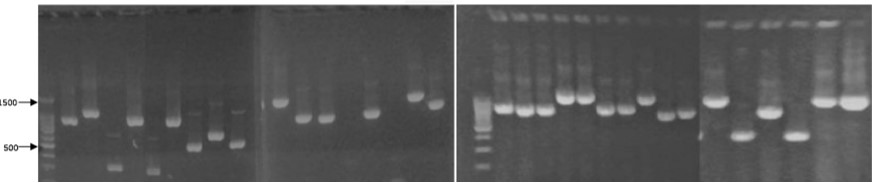
Every library undergoes a rigorous quality control process. We perform a series of assessments, including library size estimation via colony counting, insert size verification by PCR, and sequencing to confirm genetic diversity and integrity. This ensures that the library is of the highest quality and ready for downstream screening.
The platform seamlessly integrates the library with various screening modalities. Our downstream capabilities, including sequencing-based quantification of enriched clones and subsequent bioinformatics analysis, allow for the rapid identification of a diverse set of binders. This integrated approach drastically reduces the time and resources typically required for traditional discovery workflows.
Build Your cDNA Library. Get Started Today.
Creative Biolabs phage display-driven cDNA library construction service integrates cutting-edge molecular biology with customizable workflows to meet diverse research needs:
| STEP | ITEM | DETAIL |
| Library Design & Construction | RNA to cDNA Synthesis | Utilizing SMART (Switching Mechanism at 5' End of RNA Template) technology, we convert 1 μg of total RNA into full-length cDNA, achieving >30% full-length inserts even from low-abundance transcripts. |
| Vector Systems | Choose from M13 phage vectors. M13 pIII/pVIII fusions optimize surface display. | |
| Library Types |
Subtractive Libraries: Tissue-specific mRNA enrichment for focused target identification |
|
| Quality Control & Validation | Titer Analysis | Ensure library complexity via plaque assays. |
| Insert Characterization | Confirm average insert size and recombination efficiency through restriction digest and Sanger sequencing. | |
| Functional Screening | Optional biopanning services against immobilized targets (e.g., receptors, antibodies) to validate binding capacity. | |
| Custom Solutions | Species-Specific Libraries | Tailored for plants, mammals, or pathogens. |
| Therapeutic Focus | Oncology (tumor antigen discovery), neuroscience (GPCR ligand screening), and infectious diseases (viral epitope mapping). |
Accelerate Your Research. Talk to Our Experts.
| Overview | Objective | Build T7 phage display cDNA libraries from total RNA of two human cell lines (Sample 1 and Sample 2). |
| Scope | RNA QC, cDNA synthesis, normalization, directional cloning into T7 system, packaging/amplification, and sequencing-based QC. | |
| Workflow | Input QC → cDNA synthesis and normalization → size selection → directional cloning into T7 → library packaging and diversity-preserving amplification → QC | |
| Outcomes |
|
|
| Deliverables |
|
|
| Summary | Demonstrates our end-to-end capability to deliver high-diversity, display-ready T7 cDNA libraries with rigorous, sequencing-driven QC—accelerating downstream biopanning and discovery. | |
Unlock Phage Display Potential. Schedule a Call.
Phage display-based cDNA library construction bridges transcriptomic complexity with functional proteomics, empowering researchers to decode dynamic biological systems with unparalleled accuracy. Creative Biolabs speeds up the transition from initial gene discovery to therapeutic breakthroughs by leveraging scalable technology, strict quality control, and flexible design strategies.
Contact us to explore how tailored cDNA libraries can advance your next breakthrough.

Custom Antibody Library Construction
Advance Your Science. Request Expert Support.
Use the resources in our library to help you understand your options and make critical decisions for your study.

Reference
All listed services and products are For Research Use Only. Do Not use in any diagnostic or therapeutic applications.