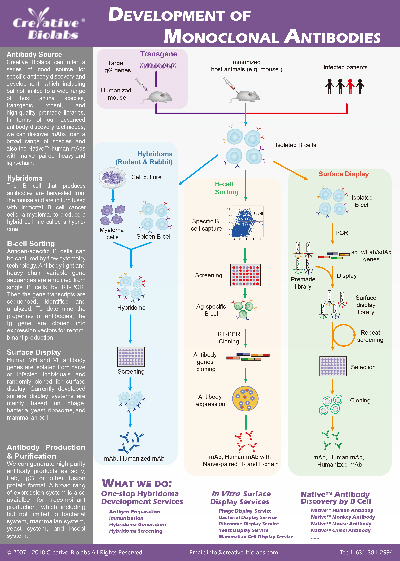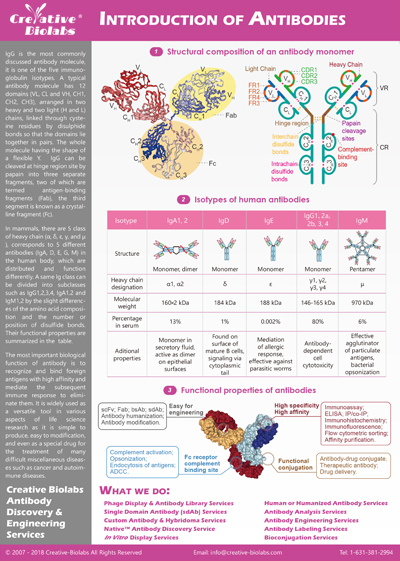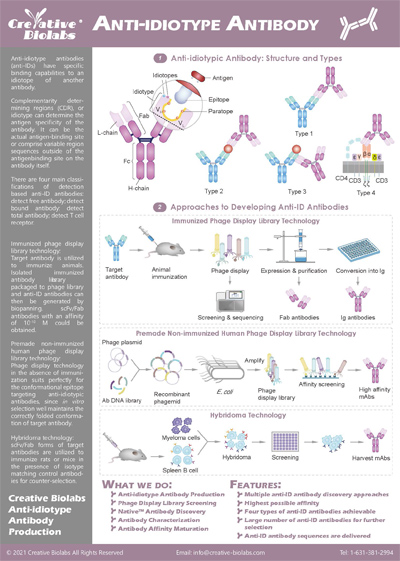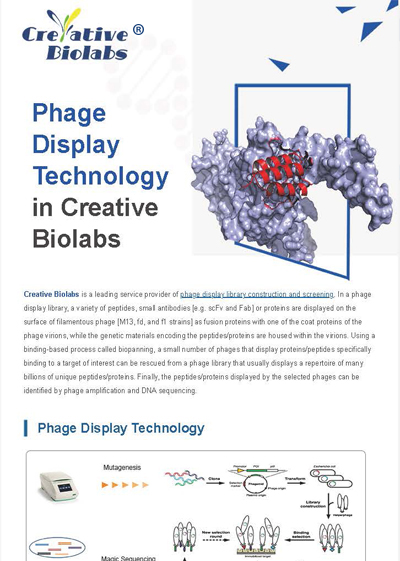
Creative Biolabs is offering the most comprehensive services for antibody development projects. With strict regulation and effective execution, we are dedicated to providing the most valuable solutions to complete your projects.
HighlightsCreative Biolabs is offering the most comprehensive services for antibody development projects. With strict regulation and effective execution, we are dedicated to providing the most valuable solutions to complete your projects.
HighlightsCreative Biolabs has established a broad range of platforms for developing novel antibodies or equivalents. These cutting-edge technologies enable our scientists to meet your demands from different aspects and tailor the most appropriate solution that contributes to the success of your projects.
HighlightsWith deep understanding in antibody-related realms and extensive project experience, Creative Biolabs offers a variety of references to help you learn more about our capacities and achievements, including infographic, flyer, case study, peer-reviewed publications, and all kinds of knowledge that can assist your projects. You are also welcome to contact us directly for more specific solutions.
HighlightsGet a real taste of Creative Biolabs, one of the most professional custom service providers in the world. We are committed to providing highly customized comprehensive solutions with the best quality to advance your projects.
Highlights

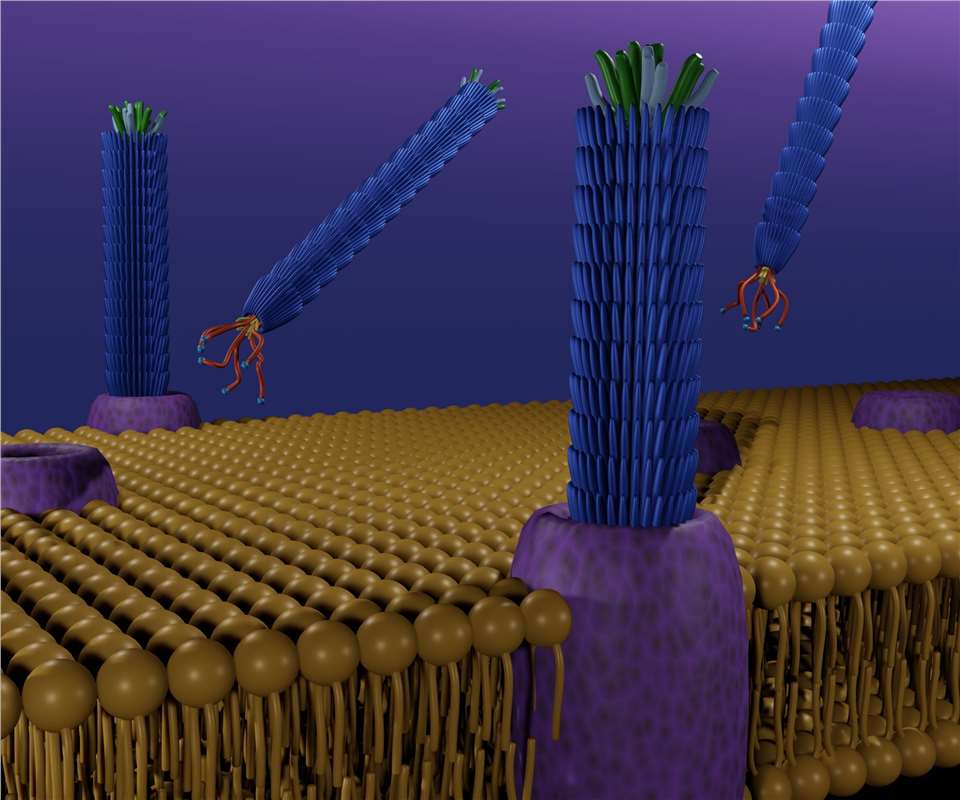
The T7 phage, a member of the Podoviridae family, has emerged as a powerful platform for peptide and protein display technologies due to its unique biological features and robust structural stability. Unlike filamentous phages such as M13, which require host secretion machinery for assembly, T7 assembles within the bacterial cytoplasm and is released through cell lysis. This intrinsic lytic cycle not only accelerates phage production but also enables the display of large and complex peptides that are otherwise difficult to express on non-lytic systems. Moreover, the T7 phage capsid proteins can accommodate high-density foreign insertions, support multivalent display and enhance the avidity effects critical for biomolecular interactions.
Despite their advantages, the construction of high-quality T7 phage libraries remains a technically demanding process, involving meticulous design of oligonucleotides, efficient cloning into T7 vectors, optimization of expression conditions, and rigorous quality control. To bridge this technical gap, Creative Biolabs offers an end-to-end T7 phage library construction service, combining advanced molecular biology techniques with years of experience in display system engineering. Our tailored solutions cater to both standard and customized library needs, enabling researchers to accelerate discovery and gain deeper insights into target-specific interactions.
At Creative Biolabs, we provide a full suite of T7 phage library construction services designed to meet the diverse needs of academic and industrial clients. Whether you're exploring unknown ligands or engineering novel binders, our service portfolio is flexible enough to support any stage of your research pipeline.
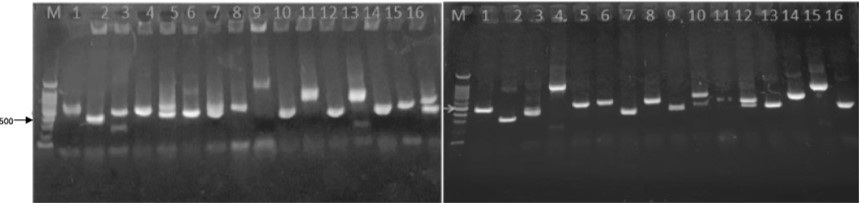
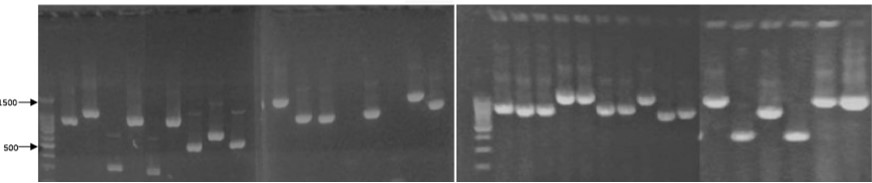
| Overview | Objective | Build T7 phage display cDNA libraries from total RNA of two human cell lines (Sample 1 and Sample 2). |
| Scope | RNA QC, cDNA synthesis, normalization, directional cloning into T7 system, packaging/amplification, and sequencing-based QC. | |
| Workflow | Input QC → cDNA synthesis and normalization → size selection → directional cloning into T7 → library packaging and diversity-preserving amplification → QC | |
| Outcomes |
|
|
| Deliverables |
|
|
| Summary | Demonstrates our end-to-end capability to deliver high-diversity, display-ready T7 cDNA libraries with rigorous, sequencing-driven QC—accelerating downstream biopanning and discovery. | |
Our T7 phage library construction service stands out for its scientific rigor, customization flexibility, and performance reliability. Here's what makes our platform a top choice:
T7 phage displays are inherently multivalent, allowing multiple copies of the foreign peptide or protein to be expressed on a single virion. This greatly increases target engagement and is particularly advantageous in applications requiring strong binding, such as inhibitor screening and biomarker discovery.
Because T7 phages are assembled intracellularly and released by host lysis, they can tolerate cytotoxic inserts better than non-lytic systems. This allows broader compatibility with complex or unstable peptides and enhances overall library fidelity.
T7 phage particles are exceptionally stable under a wide range of conditions, including elevated temperatures and harsh pH environments. This enables downstream applications such as affinity maturation and high-stringency panning protocols that demand physical robustness.
We offer a wide range of library types, including but not limited to: Random peptide libraries (linear or cyclic), Protein fragment or cDNA libraries and Targeted mutant libraries (e.g., alanine scanning or saturation mutagenesis). Each library can be fine-tuned for insert length, complexity, display density, and cloning site preferences.
Our process is designed for scalability—from pilot-scale research libraries to large-scale industrial production. Every step is traceable and fully documented to ensure reproducibility and regulatory compliance where applicable.
Custom Antibody Library Construction 
|
Custom Peptide Library Construction 
|
M13 Phage Library Construction 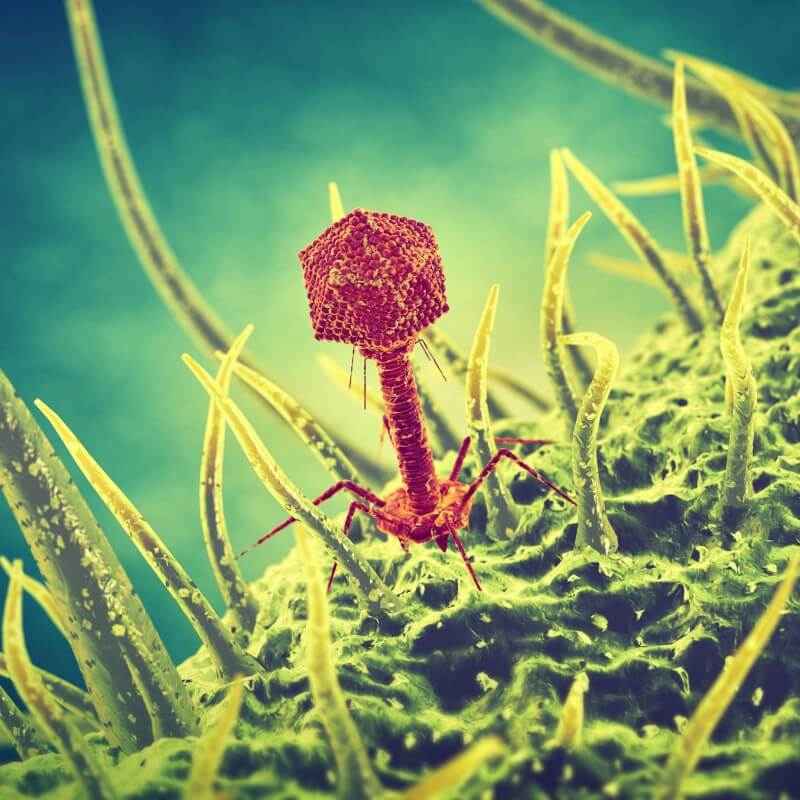
|
T4 Phage Library Construction 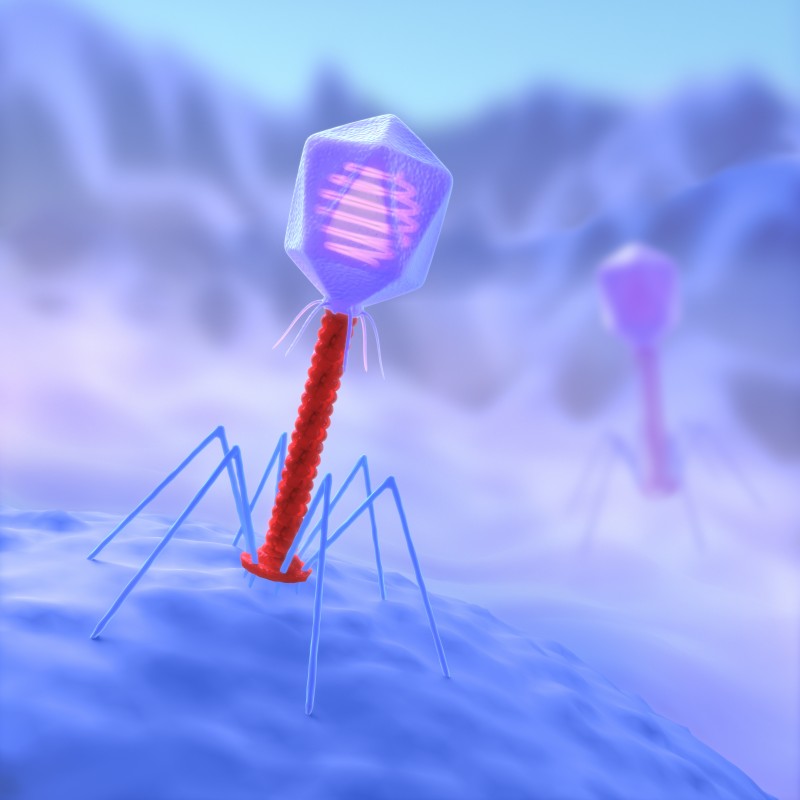
|
cDNA Library Construction 
|
Genome Library Construction 
|
Whether you're engineering novel therapeutics or mapping critical epitopes, Creative Biolabs is here to help you unlock the full potential of T7 phage display technology. With comprehensive support, expert guidance, and a strong commitment to quality, we aim to be your trusted partner from library design to discovery. Please contact us to build the foundation for your next breakthrough.
Use the resources in our library to help you understand your options and make critical decisions for your study.

All listed services and products are For Research Use Only. Do Not use in any diagnostic or therapeutic applications.