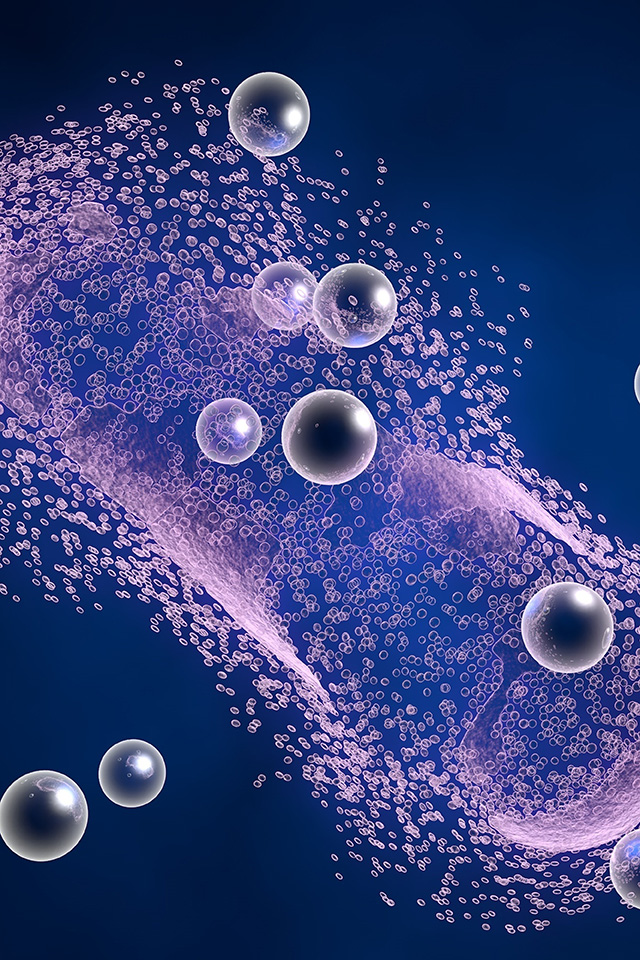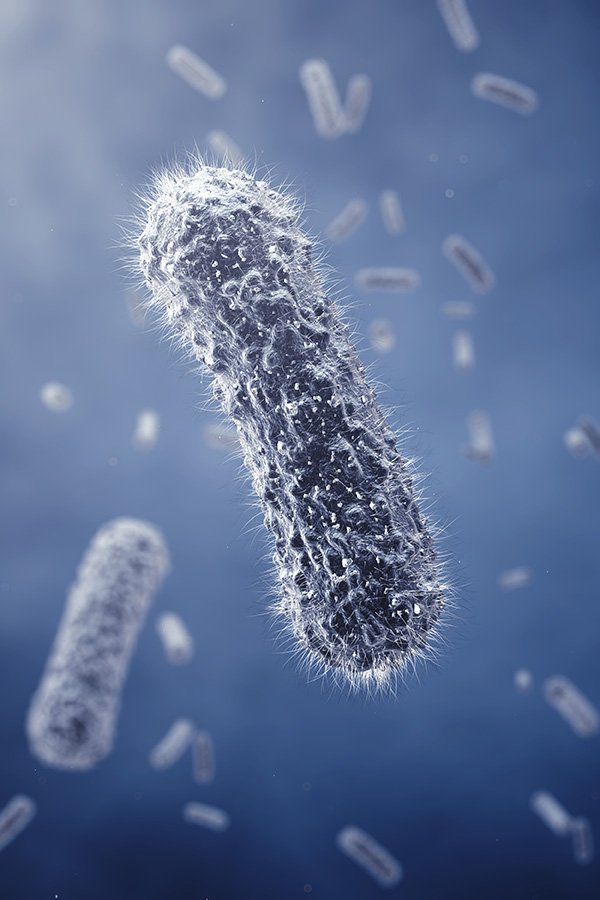

The impetus for investigating bacteria derived exosomes stems from their pivotal role in the inter kingdom dialogue. For decades, microbiology focused primarily on direct cell to cell contact or the secretion of soluble factors. However, the realization that bacteria package specific cargo, including nucleic acids, proteins, and metabolites, into protective vesicular envelopes has opened a new chapter in infectious disease research and immunology.
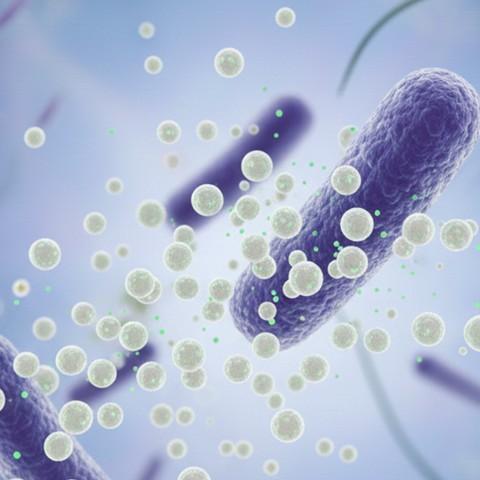
Studying these exosomes is vital for several reasons. First, they represent a concentrated delivery system that protects sensitive cargo from environmental degradation, such as enzymatic cleavage by host proteases or nucleases. Second, they play a decisive role in pathogenesis; pathogenic bacteria utilize these vesicles to deliver toxins and virulence factors directly into host cells, often bypassing traditional immune detection. Conversely, commensal bacteria use exosomes to modulate the host immune system, promoting homeostasis and gut health. Understanding these mechanisms is not merely a matter of academic curiosity but a prerequisite for developing targeted interventions against multi drug resistant pathogens and inflammatory disorders.
Transform Bacterial Exosome Concepts into Validated Results. Speak with Our Scientists.
Bacteria derived exosomes possess distinct biophysical and biochemical advantages that make them superior to synthetic nanoparticles in various biotechnological contexts.
 Inherent Immunogenicity and Adjuvanticity
Unlike synthetic liposomes, bacterial exosomes are naturally enriched with pathogen associated molecular patterns. This inherent alert to the immune system makes them exceptional candidates for vaccine platforms without the need for additional chemical adjuvants.
Targeting Precision
Evolution has honed the surface proteins of bacterial vesicles to interact specifically with certain host cell receptors. This natural tropism can be exploited to deliver therapeutic payloads to specific tissues or even to specific niches within the microbiome.
Stability and Biocompatibility
These vesicles are designed to survive the harsh environments inhabited by bacteria, from the acidic stomach to the nutrient deprived soil. Their robust lipid composition ensures structural integrity during systemic circulation in the human body.
Genetic Programmability
Through metabolic engineering of the parent bacterial strain, researchers can customize the cargo loaded into the exosomes, allowing for the production of designer vesicles tailored for specific clinical outcomes.
Unlock the Potential of Bacteria Derived Exosomes. Request a Customized Solution.
The structural bifurcation of the bacterial kingdom into Gram positive and Gram negative species results in two distinct classes of exosomes, each offering unique opportunities for clinical application.
Long overlooked due to the thick peptidoglycan layer of the cell wall, Gram positive exosomes, often termed cytoplasmic membrane vesicles, are now recognized as essential mediators of horizontal gene transfer and antibiotic resistance.
Gram negative vesicles, or outer membrane vesicles, are the most characterized bacterial extracellular vesicles. Originating from the blebbing of the outer membrane, they are potent modifiers of the host environment.
From Discovery to Application, Accelerate Your Bacterial Exosome Program. Inquire Now.
Navigating the intricacies of bacterial exosome research requires a blend of advanced proteomic, lipidomic, and microbiological techniques. Creative Biolabs provides a seamless, end to end service pipeline designed to accelerate your discovery timeline.

Beyond isolation, we provide functional discovery services that translate vesicle composition into biological meaning:
| Functional Level | Key Capabilities | Research Value |
|---|---|---|
| In vitro assays | Cellular uptake and internalization studies | Defines host and vesicle interaction dynamics |
| In vivo studies | Biodistribution analysis using fluorescence imaging | Reveals tissue targeting and systemic behavior |
Our functional discovery services enable comprehensive mapping of host and vesicle interactions, pinpointing the molecular pathways activated following exosome internalization.
Whether your research focus is on host transcriptomic responses or bacterial metabolic reprogramming, our data-driven approach delivers the mechanistic clarity required for high-impact publications and translational research.
Bring Precision and Reliability to Bacterial Exosome Studies. Request a Quote.
We recognize that off the shelf solutions do not always suffice for cutting edge science. Therefore, Creative Biolabs offers standardized bacterial exosome isolation kits and custom bacterial exosome products.
For projects where researchers prefer to control upstream cultivation conditions, Creative Biolabs offers exosome production services using customer-provided bacterial culture supernatants. This custom service includes:
This flexible workflow allows clients to retain full control over strain selection and culture parameters, while leveraging our expertise in exosome isolation, purification, and quality assurance.
For laboratories preferring independent extraction workflows, we provide bacterial culture optimized isolation kits that offer:
Partner with Experts in Bacteria Derived Exosome Research. Schedule a Consultation.
A: This distinction is critical for ensuring the authenticity and biological relevance of bacterial exosome preparations. At Creative Biolabs, we employ transmission electron microscopy (TEM) as a primary analytical tool to evaluate vesicle morphology at high resolution. True bacterial exosomes exhibit well defined, spherical or cup shaped vesicular structures with intact lipid bilayers, whereas membrane fragments generated by cell lysis typically appear as irregular, amorphous debris lacking a closed vesicle architecture.
A: Emerging evidence suggests that certain bacterial vesicles, particularly those from neurotropic pathogens or specific gut microbiota, possess the ability to cross this barrier. This makes them fascinating subjects for research into the gut brain axis and neuro inflammatory diseases.
A: Indeed, the toxicity of these components is a primary concern. Our team specializes in utilizing specialized technology or genetic modifications to produce vesicles with detoxified components, retaining immunogenicity while eliminating the risk of systemic inflammatory responses.
A: Under recommended storage conditions, purified bacterial exosomes demonstrate excellent stability. When stored at minus eighty degrees Celsius, our exosome preparations maintain both their structural integrity and biological activity for at least twelve months. This stability is supported by rigorous quality management during isolation and purification.
Looking for Reliable Bacterial Exosome Solutions? Let's Discuss Your Project.