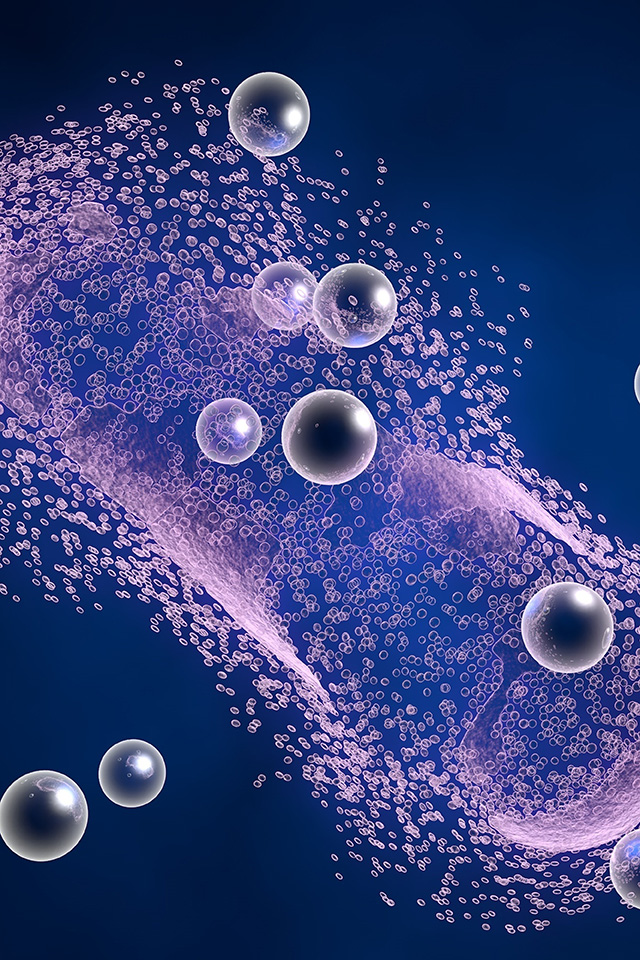

Fungi represent a distinct and ecologically pervasive kingdom of life, encompassing diverse forms from unicellular yeasts to complex filamentous molds. While traditional fungal biology focused on cell wall biosynthesis and soluble secretomes, the discovery of fungal exosomes, or exosomes, has revolutionized our understanding of microbial communication. These nanoscale, lipid bilayered structures serve as sophisticated delivery vehicles that bypass the physical constraints of the fungal cell wall, transporting a concentrated cargo of proteins, lipids, pigments, and nucleic acids across biological barriers.
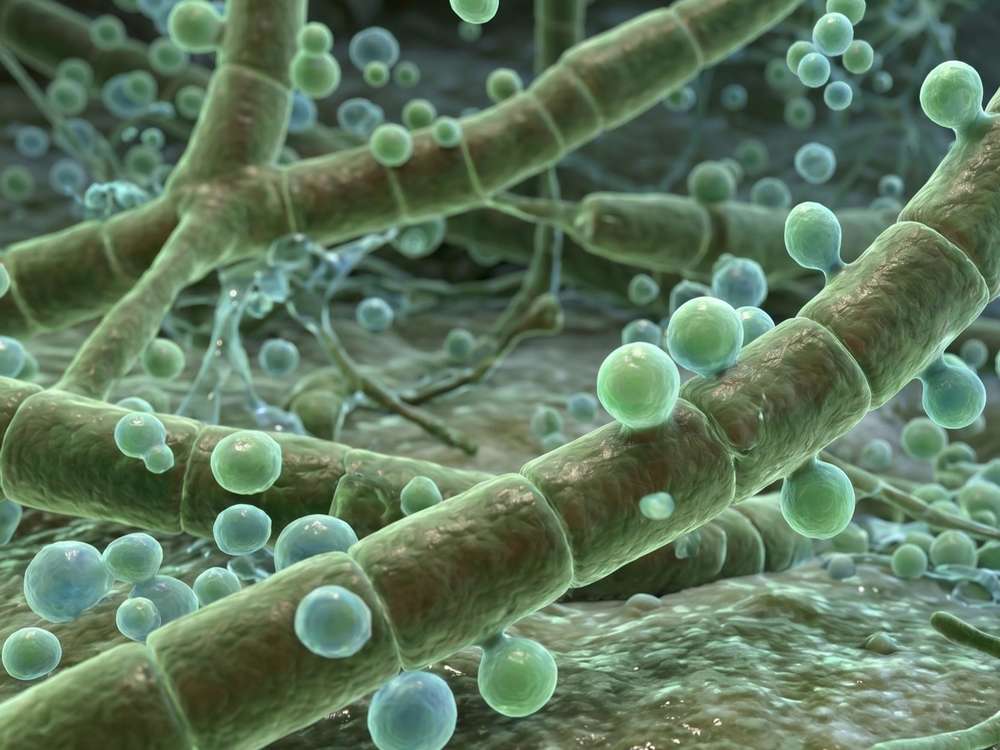
Investigating fungus derived nanocarriers is essential for deciphering the molecular basis of host pathogen interactions. These vesicles are active participants in fungal physiology, contributing to virulence, nutrient acquisition, and environmental adaptation. By serving as an acellular extension of the fungal arsenal, exosomes allow pathogens to modulate host immunity at sites distal to the primary focus of infection. As antimicrobial resistance continues to threaten global health and food security, understanding the biogenesis and function of these vesicles provides a critical pathway toward innovative diagnostic and therapeutic strategies. Creative Biolabs supports the global scientific community in navigating this burgeoning field, offering advanced platforms to elucidate the systemic impact of fungal vesicular trafficking.
Contact us. Unveiling Fungal Exosomes.
Fungal exosomes possess unique biochemical and structural properties that distinguish them from their mammalian or bacterial counterparts. These characteristics ensure that the pathogenic cargo remains functional and protected in diverse environments.
| Bilayer Protection | Safeguards internal RNA, DNA, and enzymes from host degradation, ensuring functional delivery to target cells. |
|---|---|
| Cargo Diversity | Encapsulates a wide array of macromolecules, including cell wall remodeling enzymes, metabolic proteins, and small RNAs (<250 nt). |
| Species Specific Tropism | Surface polysaccharide and protein structures dictate the efficiency of internalization by host immune cells like macrophages. |
| Systemic Translocation | Their nanoscale dimensions allow for the long distance delivery of virulence factors across tissue barriers. |
| Innate Immunogenicity | Naturally displays fungal molecular patterns, making them potent innate immune activators and ideal vaccine candidates. |
Consult with Our Technical Leads to Architect Your Next Generation Vesicle Study.
Current literature highlights the multifaceted roles of exosomes across various clinically and industrially significant fungal species.
Partner With Our Scientists to Decode the Molecular Signatures of These Fungal Messengers.
The unique ability of fungal exosomes to interact with the host immune system and transport complex cargo opens significant avenues for biotechnological application.

Fungal vesicles display a repertoire of native antigens and pigments that elicit robust IgG and IgM responses. Their acellular nature and intrinsic adjuvanticity make them ideal candidates for prophylactic vaccines against lethal fungal challenges.
The lipid scaffold of fungal vesicles can be repurposed to encapsulate hydrophobic antifungal agents. By leveraging the natural tropism of these vesicles for fungal biofilms, researchers can achieve high local concentrations of medication, reducing systemic toxicity.
Since the cargo of fungal exosomes reflects the physiological state and virulence of the parent cell, they serve as stable circular biomarkers for the early diagnosis of invasive mycoses through liquid biopsies.
Understanding how fungal vesicles interact with plant hosts can lead to the development of specific inhibitors that disrupt vesicular trafficking, providing a sustainable strategy for crop protection.
Engage With Our Specialists to Transform Fungal Vesicles into Robust Therapeutic Assets.
Creative Biolabs offers a specialized suite of services designed to address the unique complexities of fungal exosome research, ensuring ultrapure yields and detailed characterization.
We utilize optimized ultracentrifugation, density gradient separation, or size exclusion chromatography to obtain highly purified exosomes. Verification is performed via Nanoparticle Tracking Analysis (NTA) and Transmission Electron Microscopy (TEM) to confirm size and morphology.
Based on mass spectrometry, our team provides deep exploration into the vesicle cargo, including proteomics for virulence factor identification and RNA sequencing to profile the small RNA landscape.
We conduct rigorous studies to evaluate the biological impact of fungal vesicles, ranging from macrophage cytokine release assays to complex murine infection models.
Identification of the specific host cell receptors and signaling pathways activated or suppressed by fungal nanocarriers.
Discuss Your Experimental Design with Our Leads Today.
Recognizing the need for standardized materials, we offer customized production of fungus derived vesicles to accelerate your findings.
Collaborate With Us to Engineer High Performance Delivery Systems.
A: This remains a key question in fungal biology. Current hypotheses suggest that vesicles may be forced through cell wall pores via turgor pressure or that specific cell wall remodeling enzymes locally soften the matrix to allow passage. We can assist in designing studies to explore these secretion mechanisms.
A: Stability depends on the buffer and temperature. We recommend storage at -80°C to prevent membrane rupture and cargo degradation. Our stability assays ensure that your vesicles retain their functional potency throughout your study.
A: Evidence indicates that fungal exosomes carry small RNAs that can enter host cells and potentially target host mRNAs. This suggests a form of cross kingdom regulation that may favor fungal persistence. We provide specialized RNA sequencing and target prediction services to investigate these interactions.
A: This is often due to the surface composition. For instance, polysaccharide structures on Cryptococcus vesicles can dampen innate immune activation, whereas Candida vesicles are potent stimulators. Our target analysis services can help you identify the specific molecules responsible for these varied outcomes.
Connect With Our Scientific Team to Start Your Next Discovery.