

Biotechnology researchers developing exosome-based therapies for regenerative applications often face the challenge of evaluating whether their candidates address thinning hair. This specialized assessment framework provides a bridge between theoretical potential and empirical evidence. Creative Biolabs provides reproducible data regarding the biological impact of candidates on the human hair cycle.
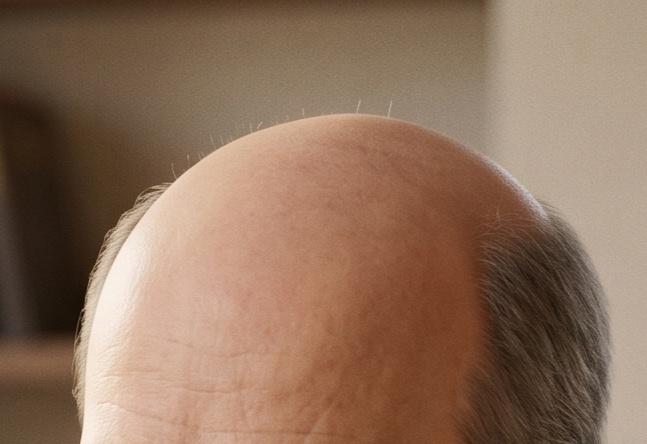
Our testing focuses on several essential biological endpoints: the proliferation rate of specialized follicular cells, the modulation of programmed cell death (apoptosis), the regulation of specific signaling proteins, and the potential extension of the active growth phase. By utilizing validated human cellular systems, we assist in understanding how purified preparations influence the microenvironment of the scalp, providing a technical foundation for developmental choices. This service is a critical validation step for organizations transitioning from early-stage isolation to functional efficacy evaluation.
Consult Our Ph.D. Team to Design Your Anti-Hair Loss Study
Upon the arrival of exosome samples at our facility, Creative Biolabs initiates a transparent and rigorous experimental sequence designed to yield decision-ready information.
| Item | Details |
|---|---|
| Initial Materials | We accept a wide range of purified preparations, including those derived from Mesenchymal Stem Cells (MSCs), botanical sources, bioengineered cell lines, or synthetic vesicular systems. |
| Physical Characterization | Each sample undergoes a thorough baseline assessment. This includes determining particle size and concentration through Nanoparticle Tracking Analysis (NTA), as well as visualizing structural integrity and morphology via Transmission Electron Microscopy (TEM). We also verify the presence of specific protein markers to confirm population identity. |
| Functional Performance Assays |
|
| Biomarker Indicators | The study tracks several critical pathways, focusing on Vascular Endothelial Growth Factor, Dickkopf-1, Transforming Growth Factor-β, and β-catenin. |
| Final Documentation | Clients receive a complete set of experimental findings, including a summary of statistical trends and a detailed description of all methodologies used. |
Connect With Our Project Consultant for Experiment Details
Creative Biolabs' specialized environment is designed to facilitate the objective comparison of extracellular vesicles within hair loss models.
This system allows for the concurrent evaluation of vesicles from distinct origins, such as Mesenchymal Stem Cells versus Human Embryonic Kidney 293T cells, under identical experimental conditions to isolate performance variances.
Every assessment cycle incorporates vehicle controls and non-functional vesicle groups to ensure that observed biological changes are attributable to the specific candidate being tested.
We utilize automated imaging and data processing to support accuracy and deliver results within timelines that support rapid research and development iterations.
Connect with a Project Consultant to Discuss Our Infrastructure
The parameters we measure are rooted in established dermatological research regarding the hair cycle.
Research into Androgenetic Alopecia indicates that Dihydrotestosterone interacts with the androgen receptor to increase levels of Transforming Growth Factor-β. This process is often associated with forcing hair follicles into a premature resting state. Evaluating whether a candidate can inhibit this signaling axis is a major component of efficacy testing.
This signaling cascade is a primary driver for hair regeneration. High activity of β-catenin within Dermal Papilla Cells is associated with the transition into the growth phase. Our tests quantify the potential of exosomes to trigger this essential pathway.
The density of blood vessels surrounding the follicle is linked to the rate of hair development. By measuring Vascular Endothelial Growth Factor, we assess whether the treatment supports the circulatory environment necessary for hair health.
Inquire with Our Experts About Scientific Protocols
Creative Biolabs' exosome services extend well beyond solutions for mitigating hair loss. Researchers can access a suite of scalp care efficacy tests, quality control, and supporting bioengineering processes, all designed to support research applications and efficacy assessments for investigating ameliorative potential.
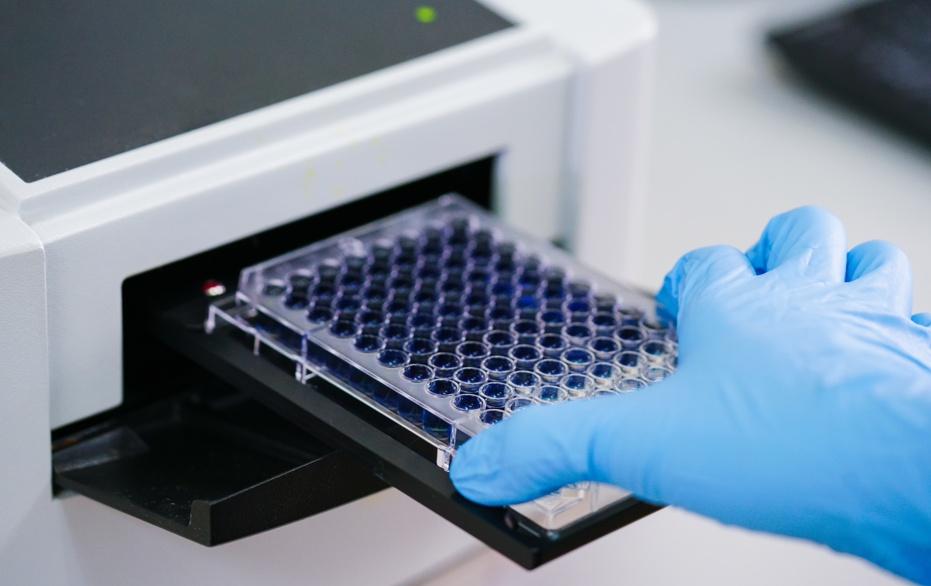
 Exosome extraction, purification and quantification
Isolation and purification of exosomes from cell culture supernatant, biofluids, or stem cell systems using standardized protocols to ensure batch-to-batch consistency and defined purity.
Exosome identification and quality analysis
Physical characterization via NTA and TEM, along with verification of exosomal markers including CD63, CD81, and TSG101.
Exosome profiling and proteomic detection
Analysis of protein and nucleic acid cargo (miRNA, mRNA, etc.) to characterize molecular composition and potential mechanisms of action.
Exosome engineering (optional)
Surface modification or cargo loading strategies designed to optimize targeted delivery and functional performance.
Scalable exosome production
Production of exosomes from adipose-derived or other MSC sources at scales tailored to research requirements.
Exosome Scalp Nourishing Efficacy Test
Evaluation of barrier integrity and hydration support.
Exosome Scalp Repair Efficacy Test
Evaluation of tissue repair and cellular recovery.
Exosome Scalp Oil-Control Efficacy Test
Testing the impact of vesicles on sebum production and scalp equilibrium.
These services can be provided individually or in combination, forming a complete technical support chain for anti-hair loss efficacy testing.
Find the Full Range of Exosome Solutions
A: This pathway acts as a biological switch that moves the hair follicle from a dormant state into a period of active growth. If a treatment can demonstrate the up-regulation of these molecules, it suggests a strong potential for encouraging hair regrowth.
A: Before conducting efficacy tests, we perform metabolic assessments such as the 3-(4,5-dimethylthiazol-2-yl)-2,5-diphenyltetrazolium bromide assay and Cell Counting Kit-8 assay. This allows us to identify concentrations that are safe for the cells, ensuring that any observed positive effects are the result of physiological regulation rather than a reaction to cellular toxicity.
A: Yes. We can quantify the levels of specific markers like Interleukin-6 and Tumor Necrosis Factor-alpha using an Enzyme-Linked Immunosorbent Assay. This helps determine if the candidate vesicles can improve the inflammatory state often associated with hair thinning.
A: Dermal papilla cells are the core regulators of hair follicle growth. Their proliferation and migration activity directly determine hair follicle regenerative capacity and hair growth status. A significant enhancement in these areas supports the conclusion that the exosomes are effective in follicle activation.
A: The required sample amount depends on the exosome concentration and the number of selected test items. It is recommended to provide samples with known protein concentration or particle concentration to facilitate accurate dose-response studies.
Request A Scientific Consultation to Design Your Exosome Efficacy Study