
Exosome-mediated protein transport has replaced conventional drug delivery due to a biological need for protection and accuracy. Because proteins are naturally delicate, the harsh conditions of the human circulatory system can cause denaturation and proteolytic degradation of their tertiary and quaternary structures. The intracellular space or highly selective physiological membranes contain a large number of valuable therapeutic targets. The surface chemistry required for effective cellular uptake or targeted tissue accumulation is frequently absent from free proteins.
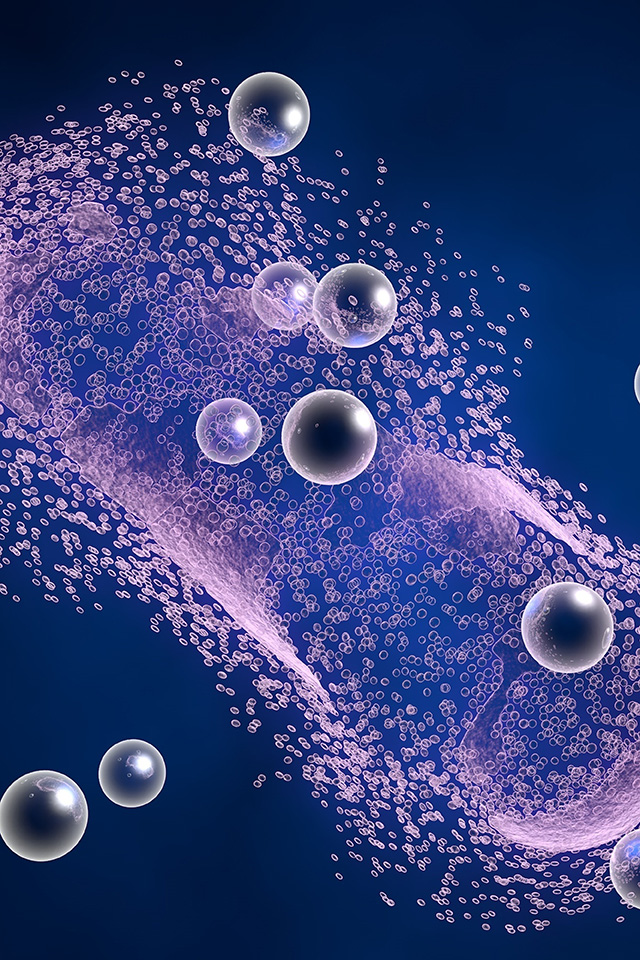
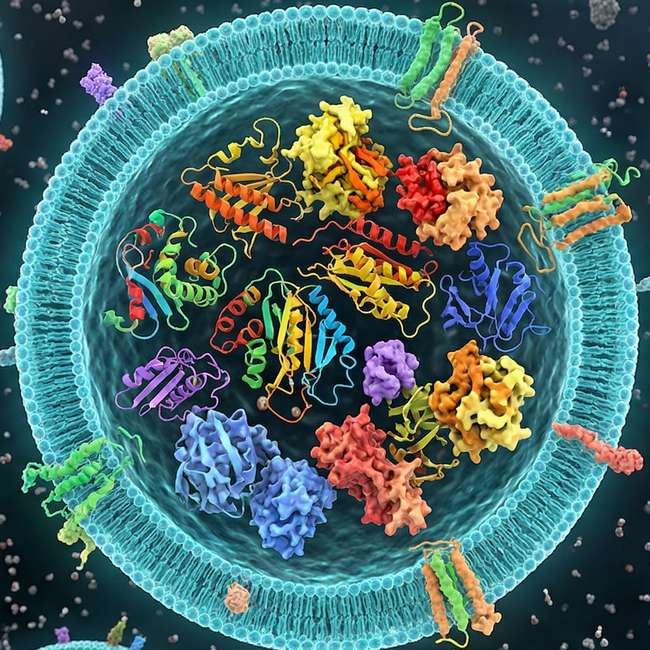
A sophisticated solution to these constraints is offered by vesicles, the naturally occurring nanoscale channels of intercellular communication. These vesicles have a special lipid bilayer made of ceramide, sphingomyelin, and cholesterol that provides a strong defense against external proteases. Exosomes contain particular surface ligands that enable direct membrane fusion with recipient cells or natural endocytosis, going beyond simple protection. By encasing proteins in these vesicles, we create a biological passport that ensures functional delivery into the target cell's cytoplasm while enabling the cargo to move through the body undetected by the innate immune system.
At Creative Biolabs, we understand that the smooth fusion of exosome biology and protein function is the key to the future of molecular medicine. The techniques needed to load a variety of protein species into these vesicles without sacrificing the native conformation of the proteins or the structural integrity of the exosome itself have been refined over the course of more than 20 years.
To Plan Your Protein Loading Procedure, Get in Touch with Our Senior Scientists.
In order to satisfy the demanding requirements of cutting-edge academic and pharmaceutical research, Creative Biolabs provides a highly customizable Exosome Protein Loading Service. Functional enzymes, signaling cytokines, transcription factors, and engineered antibodies are just a few of the many protein types we have experience with. We recognize that each protein cargo poses distinct biophysical difficulties, including hydrophobicity, different molecular weights, and isoelectric points.
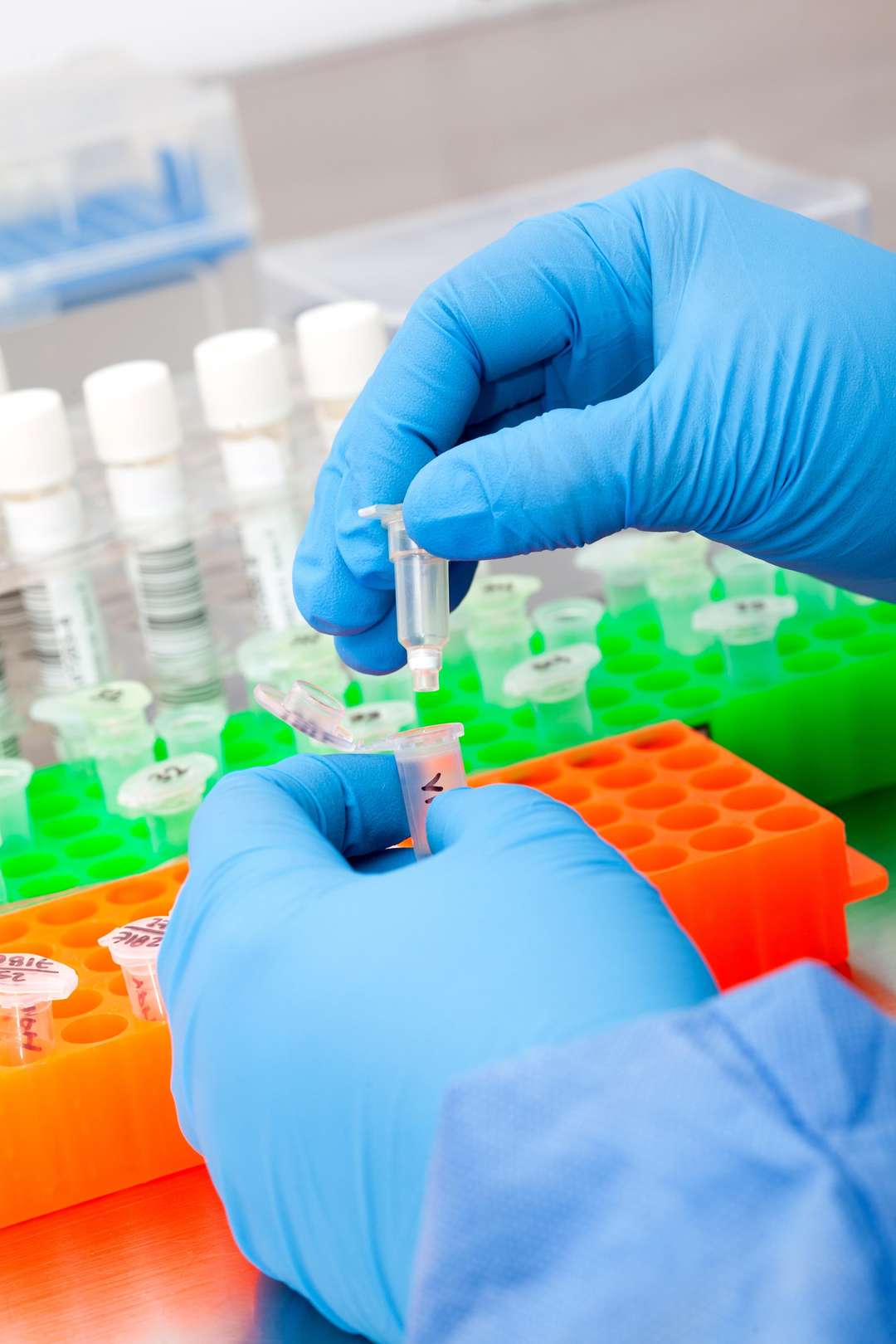
A comprehensive evaluation of your particular protein and the intended target environment is the first step in our service. For hydrophobic peptides, we use passive incubation; for slightly larger proteins, we use complex active loading methods. Researchers can produce engineered vesicles with cargo efficiency by using our established technical platform, guaranteeing that each batch is repeatable and prepared for functional tests later on.
Come Consult Us with Your Goals in Mind!
The selection of the loading method is critical to maintaining the bioactivity of the protein. We have optimized several core technologies to ensure maximum encapsulation efficiency:
| Loading Methodology | Mechanism of Action | Primary Scientific Advantage |
|---|---|---|
| Electroporation | Application of controlled electrical pulses to create temporary hydrophilic pores in the lipid bilayer. | Ideal for loading proteins into the internal lumen. |
| Click Chemistry | Utilization of biorthogonal reactions to covalently attach proteins to the exosome surface. | Highly specific and stable conjugation that ensures precise protein orientation and high-density display. |
| Lipid Anchoring | Genetic or chemical fusion of proteins with lipid tails for spontaneous insertion into the bilayer. | Excellent for surface display of signaling molecules and facilitating receptor mediated interactions. |
Improve Your Cargo Density by Working Together with Our Engineering Team.
There are a number of scientific benefits to using vesicles as a scaffold for protein delivery that outweigh those of viral vectors or synthetic lipid nanoparticles. These advantages stem from the vesicles' intricate surface biology and endogenous nature.
Exosomes do not cause the inflammatory reactions frequently linked to synthetic polymers or viral capsids because they can be produced from non-immunogenic sources, such as mesenchymal stem cells.
Exosomes are naturally able to pass through the blood-brain barrier, something that free proteins are infamously unable to do. Because of this, they are extremely useful in the treatment of neurodegenerative diseases that call for signaling modulation or enzyme replacement.
Proteins that are encapsulated in an exosomal bilayer have a longer half-life in vivo. The vesicles enable long-lasting therapeutic effects by preventing quick renal filtration and sequestration by the mononuclear phagocyte system.
Exosomes avoid the endosomal system's degradation pathways by delivering their protein cargo straight into the cytosol through natural processes like macropinocytosis or clathrin-mediated endocytosis.
To Overcome Loading Issues, Talk About Your Project with Our Ph.D. Team.
Our protein loading platform's adaptability enables its use in a wide range of biological and medical research fields. Researchers can alter disease states with previously unheard-of precision by delivering functional proteins to particular tissues.
 Neurodegenerative Disease Research
Using vesicles to deliver neuroprotective proteins like Brain Derived Neurotrophic Factor or antioxidant enzymes like Superoxide Dismutase presents a promising treatment option for Parkinson's and Alzheimer's diseases. These vesicles can help the proteins enter the central nervous system and shield them during systemic transit.
Precision Oncology
Exosomes designed to target particular cancerous cells are loaded with pro-apoptotic proteins or tumor suppressors. By limiting the delivery of the therapeutic protein to the tumor microenvironment, this strategy lowers the possibility of systemic adverse effects.
Immunology and Vaccine Development
Exosomes containing particular cytokines or antigens can function as powerful immunomodulators. In order to create cell-free vaccines that can elicit a specific T cell response without the dangers of live attenuated viruses, this technology is being investigated.
Metabolic and Genetic Disorders
The body's immune response to the exogenous enzyme frequently limits the effectiveness of enzyme replacement therapy. Patients with lysosomal storage disorders or other metabolic deficiencies can receive the enzyme on a long-term basis because exosomal encapsulation conceals it from the immune system.
To Match Your Therapeutic Objectives, Request A Customized Proposal.
We don't just load things; we also have a fully integrated Exosome Engineering Platform. We make sure that every step of your project, from the first cell culture to the last efficacy validation, is done with the most scientific accuracy possible.
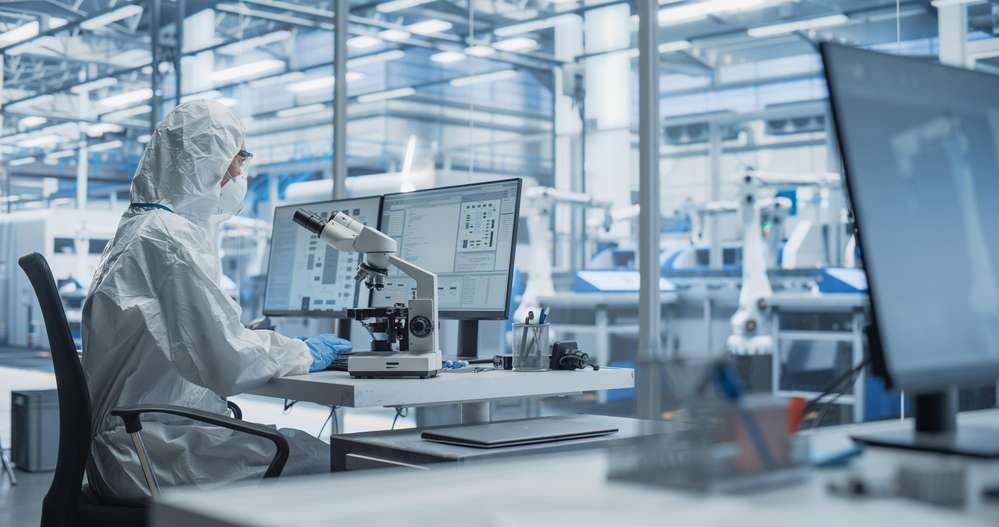
We use cutting-edge methods like ultracentrifugation, tangential flow filtration, and size exclusion chromatography to make high-purity exosome populations from many different donor cell lines. Every batch of vesicles is carefully characterized using nanoparticle tracking analysis (NTA) to look at size distribution, transmission electron microscopy (TEM) to look at morphology, and Western blotting to look for classical markers like CD9, CD63, and Alix.
After choosing the best loading method, we use strict purification steps to get rid of any unencapsulated proteins or reagents, making sure that the final product is clean and strong.
We provide a range of In vitro and in vivo tests to make sure that the loaded protein is still working and that the engineered vesicles get to the right cells.
Our quality control procedures include using special tests to check for sterility, endotoxin levels, and the loading efficiency of cargo.
Have A Technical Session to Tailor Your Engineering Parameters.
A: We do a first look at the protein, taking into account its molecular weight and stability. We always choose the method that keeps the most biological activity.
A: Yes, our platform works with vesicles from a variety of sources, such as mesenchymal stem cells, HEK293 cells, and even vesicles from plants. The type of donor cell you choose often depends on the immunogenicity profile and homing properties you need for your study.
A: After the vesicles have been thoroughly purified, we employ a variety of methods, such as Western blotting, enzyme-linked immunosorbent assay, and mass spectrometry. This guarantees that we are not measuring free protein aggregates but rather the encapsulated or membrane-bound protein.
A One-On-One Scientific Meeting.