Lemon-derived Exosome Research & Application
Overview Advantages Research Potentiality Services FAQs
Unlocking the Potential of Lemon-Derived Exosomes

At Creative Biolabs, we have long been at the forefront of exosome research and development. While our early work focused on mammalian-derived exosomes, a new frontier has captivated our attention: plant-derived exosomes. Among these, the unassuming lemon, Citrus limon L., has proven to be a powerhouse of bioactive compounds encapsulated within remarkable exosomes. Our research and development efforts are dedicated to unlocking the immense health benefits of these natural plant essences, leveraging them to create innovative opportunities for a new generation of skincare products, health supplements, and even advanced therapeutics.
Why develop Lemon-Derived Exosomes?
The decision to focus on lemon-derived exosomes is rooted in their unique and compelling advantages. Unlike their mammalian counterparts, which face challenges related to immunogenicity, complex isolation procedures, and scalability, plant-derived exosomes offer a safer, more stable, and highly abundant alternative.
Lemon-derived exosomes, in particular, offer a number of key benefits:
 Exceptional Safety Profile
They possess natural biocompatibility with the human body, suggesting a lower risk of adverse reactions, making them an ideal delivery vehicle for various payloads.
Superior Stability and Oral Bioavailability
Their robust membrane structure protects delicate cargo from degradation in the harsh gastrointestinal tract. This is a critical factor for developing effective nutraceuticals and dietary supplements, enabling the potential for oral delivery.
Commercial Viability and Scalability
The sheer abundance of lemons makes the large-scale isolation of these exosomes far more commercially viable than sourcing them from animal cells.
This combination of high stability, natural abundance, and excellent safety profiles positions lemon-derived exosomes as a transformative platform for the future of natural health products.
Ready to explore the natural advantages of plant-based solutions? Contact us to discuss your project.
Research and Findings
Creative Biolabs has synthesized key findings from numerous studies, revealing a multifaceted profile of biological activity.
-
Antioxidant and Anti-Inflammatory Effects
Several studies have confirmed the potent antioxidant activity of lemon-derived exosomes. Research has shown that they can effectively reduce reactive oxygen species (ROS) in human cells, including fibroblasts and hepatocytes. This effect is attributed to the direct delivery of vital micronutrients like ascorbic acid (vitamin C) and citrate, which are notoriously unstable but are well-preserved within the exosome membrane. Furthermore, lemon exosomes activate the AhR/Nrf2 signaling pathway, a master regulator of cellular antioxidant and anti-inflammatory responses. This dual mechanism—direct nutrient delivery and pathway activation—provides a robust defense against oxidative stress, a key contributor to aging and many chronic diseases. Studies have also demonstrated that lemon exosomes can reduce inflammation in conditions like colitis by modulating the NF-κB and Nrf2 pathways, highlighting their potential in managing inflammatory diseases.
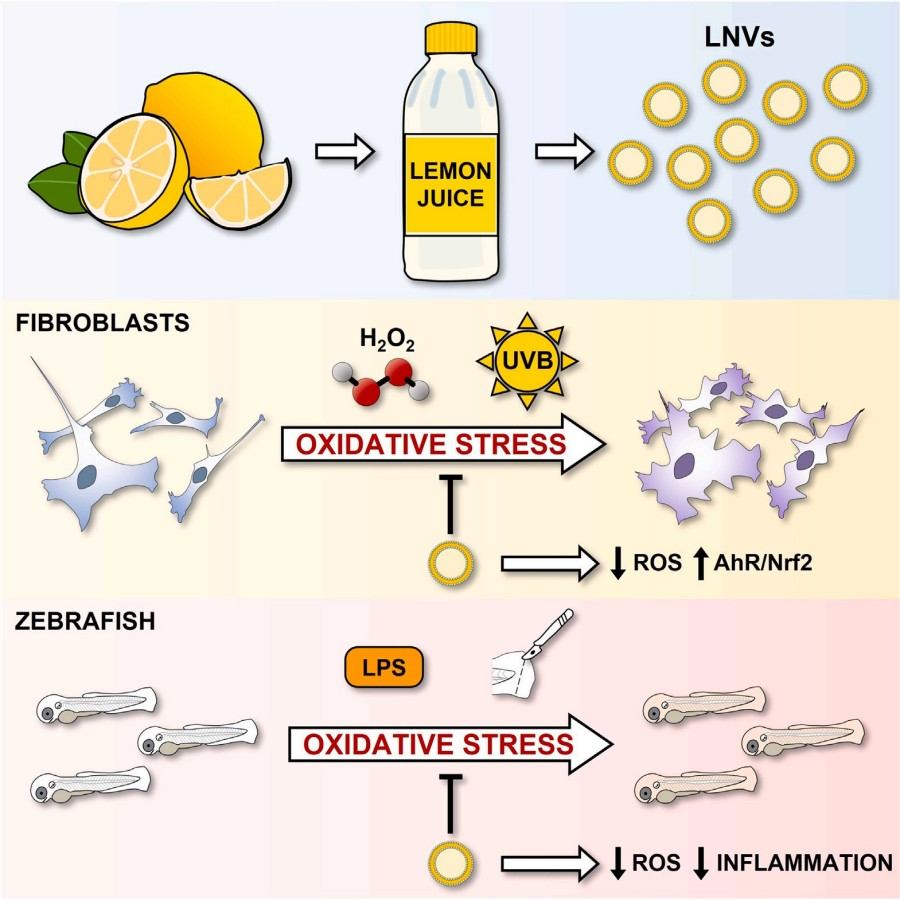 Fig.2 Lemon exosomes have antioxidant and anti-inflammatory effect.1
-
Enhancing Gut Microbiota and Combating Infection
The interaction between diet and gut microbiota is a complex field, and our research shows that lemon exosomes play a crucial role. Researchers have found that these exosomes enhance the stress survival of gut bacteria, particularly beneficial strains like Lactobacillus rhamnosus. They achieve this by mediating specific tRNA decay through the RNase P endonuclease, a novel mechanism that increases the bacteria's resistance to bile salts. This improved survivability is not just a theoretical finding; it has practical implications for disease prevention. In a study on Clostridioides difficile (C. diff) infection, lemon exosome-manipulated probiotics showed increased bile resistance and gut survivability, leading to a significant decrease in mortality. They achieved this by increasing the production of beneficial metabolites like lactic acid, which inhibits the growth of the pathogenic bacteria, and by inducing the anti-inflammatory cytokine IL-22. These findings suggest a new strategy for developing next-generation prebiotics and therapeutics for intestinal infections.
-
The New Frontier in Cancer Research
Studies have shown that lemon-derived exosomes can inhibit the proliferation of various tumor cells in vitro and suppress tumor growth in vivo. This anti-cancer effect is mediated by inducing TRAIL-mediated apoptotic cell death and, in the case of colorectal cancer cells, by downregulating Acetyl-CoA Carboxylase 1 (ACACA), a key enzyme in lipid metabolism. A groundbreaking study also revealed that these exosomes can inhibit growth in p53-inactivated colorectal cancer cells by leveraging the macropinocytosis pathway, demonstrating their ability to target tumors with specific genetic profiles. Some researchers have taken this research a step further by using lemon exosomes as a sophisticated drug delivery system. By embedding the membranes of homologous cancer cells onto the surface of lemon exosomes, the research team has created a composite nanoplatform that can specifically and efficiently target tumor sites. This innovative approach allows for the precise delivery of chemotherapeutic drugs directly to the tumor, minimizing off-target toxicity and maximizing therapeutic efficacy.
-
Penetrating the Blood-Brain Barrier
In a finding with profound implications for neurodegenerative diseases, lemon exosomes are small enough (with a mean size of ~94 nm) and possess the necessary properties to permeate the blood-brain barrier (BBB). This groundbreaking finding suggests that they could serve as a promising delivery system for therapeutic agents to the brain, offering a novel approach to conditions like Alzheimer's disease. The antioxidant activity of the exosomes themselves provides a dual benefit, combating oxidative stress within the brain, a hallmark of many neurodegenerative conditions.
Got a groundbreaking idea? Let us help you bring it to life! Request a consultation today!
From Research to Application
These incredible studies lead to tangible product development opportunities. We see a clear path for lemon-derived exosomes to revolutionize multiple industries.
Skincare and Anti-Aging
The confirmed antioxidant and anti-inflammatory effects make them perfect candidates for topical skincare products and oral supplements designed to combat premature aging. Imagine a serum that delivers a natural, stable dose of antioxidants deep into the skin's layers.
Gut Health and Probiotics
Our findings on enhanced probiotic survival and anti-infection properties pave the way for a new class of gut health products, from supplements to functional foods, that not only introduce beneficial bacteria but also ensure they thrive and perform their functions effectively.
Adjuvant Cancer Therapies
The demonstrated anti-cancer effects open a new avenue for developing adjunctive tumor treatment strategies that work synergistically with conventional therapies, potentially reducing side effects and improving outcomes.
The possibilities are vast, and the journey from discovery to market-ready product requires a dedicated and experienced partner.
Your Partner in Plant Exosome Development: Creative Biolabs
At Creative Biolabs, we don't just provide data; we provide a complete partnership. Our comprehensive plant-derived exosome development services are designed to support you at every stage of the journey. Whether you are in the early stages of research or ready to scale up for trials, we have the expertise and the cutting-edge technology to meet your needs.
Our services include:
End-to-end exosome extraction and characterization
Payload encapsulation and functionalization
Comprehensive in vitro and in vivo efficacy testing
We employ a variety of state-of-the-art techniques, such as Ultracentrifugation, to isolate high-purity exosomes from lemons and other plants. We then provide a full characterization, including size, concentration, and cargo analysis (including exosomal RNA isolation and analysis, exosomal protein profiling and exosomal proteomics, and exosomal lipidomics and metabolomics analysis).
We can load your chosen bioactive compounds or drugs into the exosomes, and functionalize them for specific targeting.
Comprehensive in vitro and in vivo efficacy testing
We can test the therapeutic potential of your exosome-based product in our advanced laboratory models to provide robust, reproducible data.
We are ready to be your partner in exploring the broad applications of lemon-derived exosomes in the medical and health fields. Let's embark on this exciting journey together.
Got a groundbreaking idea? Let us help you bring it to life! Come and consult us right away!
FAQs
Q: Are lemon exosomes safe for human consumption or topical use?
A: All available research indicates that lemon-derived exosomes are non-toxic and well-tolerated by human cells. Their natural origin and low immunogenicity profile make them an attractive, safe option for health and skincare applications. However, thorough safety and toxicology studies are always recommended for any new product, and we can assist with these.
Q: How is the production of these exosomes scalable for commercial use?
A: We have explored both laboratory and industrial-scale isolation methods. The use of an abundant and readily available raw material like lemon juice, combined with our optimized isolation protocols, makes the industrial production of these exosomes a feasible and cost-effective process.
Q: What kind of active compounds can be loaded into lemon exosomes?
A: Lemon exosomes are versatile carriers. Studies have successfully demonstrated the encapsulation of small molecules like doxorubicin. The unique composition of the exosome membrane can also protect and deliver delicate compounds such as vitamins, peptides, and nucleic acids. We work with clients to assess the feasibility of encapsulating specific cargos for their unique applications.
Q: How do lemon exosomes compare to synthetic nanoparticles as drug delivery vehicles?
A: While synthetic nanoparticles offer precise control over size and composition, natural lemon exosomes have distinct advantages. They are naturally biocompatible and biodegradable. Furthermore, they carry their own intrinsic health benefits, such as antioxidant properties, providing a multi-functional therapeutic effect that synthetic carriers cannot match.
Have more questions? We are here to help. Contact our expert team now.
Reference
-
Urzì, Ornella, et al. "Lemon-derived nanovesicles achieve antioxidant and anti-inflammatory effects activating the AhR/Nrf2 signaling pathway." Iscience 26.7 (2023). https://doi.org/10.1016/j.isci.2023.107041. Distributed under Open Access license CC BY 4.0, without modification.
For Research Use Only. Cannot be used by patients.
Related Services: