The surface genome of the Hepatitis B virus (HBV) houses three gene segments, namely PreS1, PreS2, and S. These fragments, expressed by their corresponding genes, conjoin at varying lengths to form three distinct sizes of surface proteins - small (S), medium (M), and large (L). The S protein, developed solely from the S gene, is the most abundant hydrophobic polypeptide. The M protein augments this by adding polypeptide chains encoded by the PreS2 region. The L protein, on the other hand, incorporates an amino acid end from the PreS1 region, building upon the M protein.
Scientific research has validated that the S and L proteins are essential viral proteins for the generation of intact viral particles, while the inhibition of the M protein does not impact viral morphology. Although empirical data are somewhat scarce, these surface proteins turn out to play a pivotal role in the process of HBV virus-host invasion. They house multiple antigenic epitopes, thereby positioning them as reliable and potential diagnostic markers for HBV infection, indeed conduits for intervention strategies.
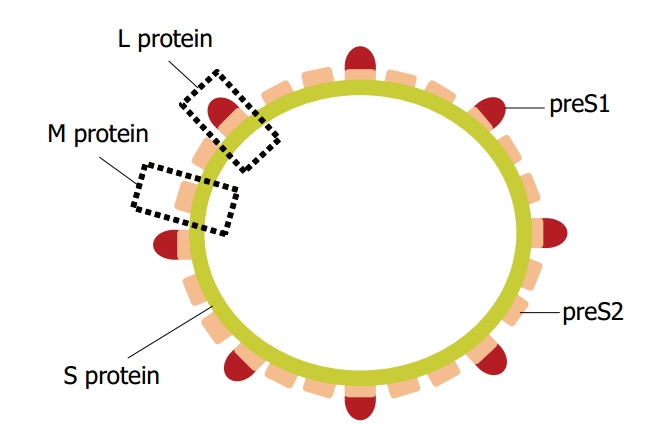 Fig.1 Structure of HBV surface antigen.1
Reference
Welcome! For price inquiries, we will get back to you as soon as possible.
INQUIRY




SERVICES
PRODUCTS
PLATFORMS