
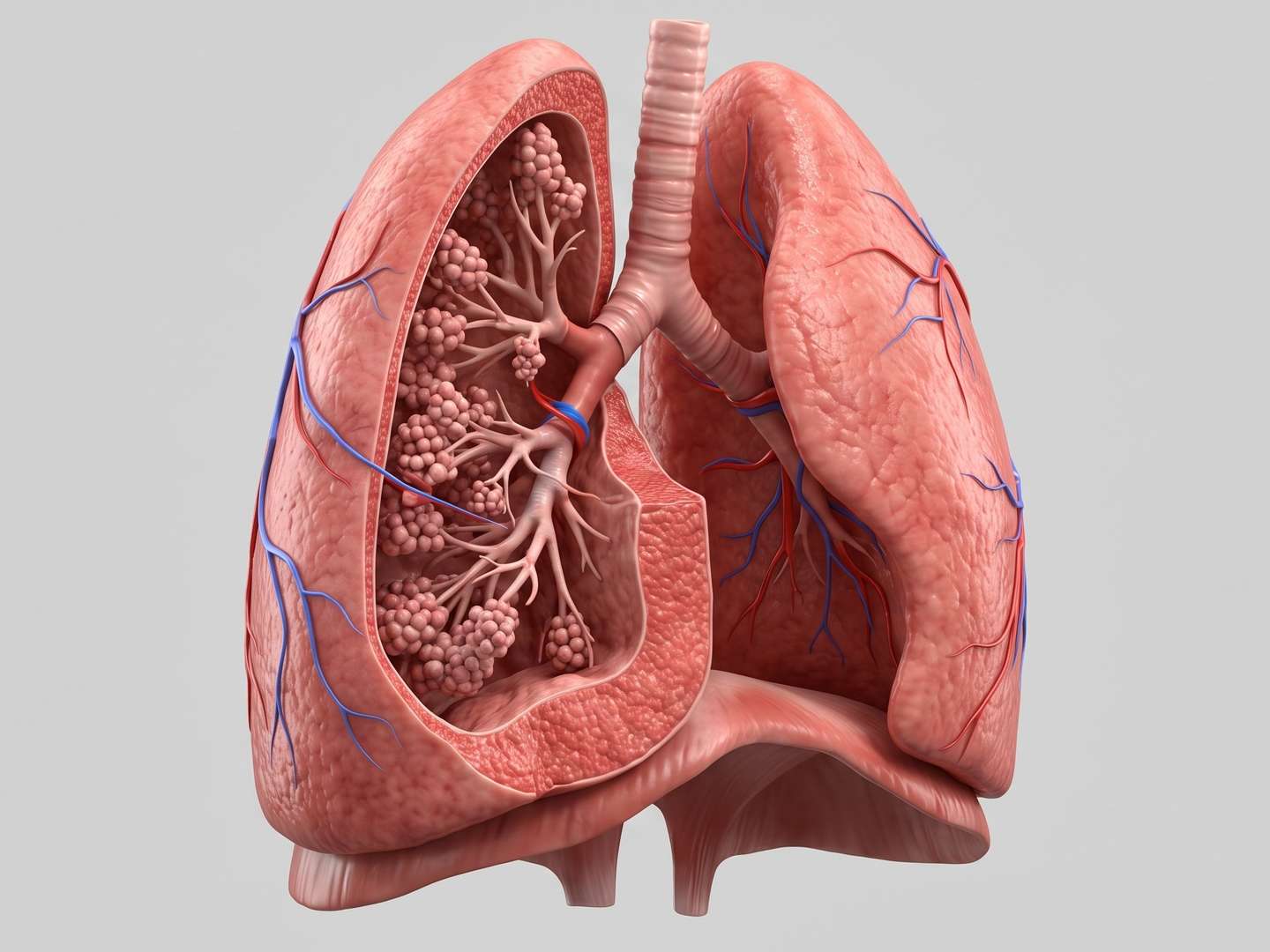
Malignant neoplasms of the respiratory tract represent a primary cause of oncological mortality globally, contributing to approximately 27% of all cancer related deaths. Histomorphological classification divides these malignancies into two major groups: small cell lung cancer, which is characterized by rapid, aggressive growth, and non-small cell lung cancer (NSCLC), which typically displays a less rapid progression pattern. Among these, NSCLC constitutes approximately 85% of diagnosed cases, making it one of the most prevalent solid tumors in clinical oncology.
Despite improvements in surgical and systemic interventions, the long term prognosis for patients remains poor, with a five year survival rate of only 15%. This high mortality rate is driven by several clinical challenges:
 Delayed Clinical Detection
A significant proportion of individuals present with advanced stage disease, where localized treatment options are no longer viable.
Rapid Metastasizing
The tumor cells exhibit a high propensity for early systemic dissemination, particularly to the brain, bones, and adrenal glands.
Frequent Disease Recurrence
Even after seemingly successful primary resections or chemotherapy, minimal residual disease often leads to recurrence.
Limited Intratumoral Drug Accumulation
Conventional systemic therapies struggle to achieve therapeutic concentrations within the complex tumor microenvironment without inducing severe dose limiting systemic toxicities.
Seeking Potential Treatment Opportunities on Professional Platform
The dual nature of extracellular vesicles in oncology highlights their importance in both disease progression and targeted therapy. In the context of NSCLC, endogenous vesicles function as essential vehicles for horizontal gene transfer and protein transport, facilitating communication between tumor cells and the surrounding stroma. This active exchange promotes phenotypic transitions, local angiogenesis, and pre metastatic niche formation. However, these same transport properties can be utilized to engineer biomimetic delivery systems that reverse these pathological processes.
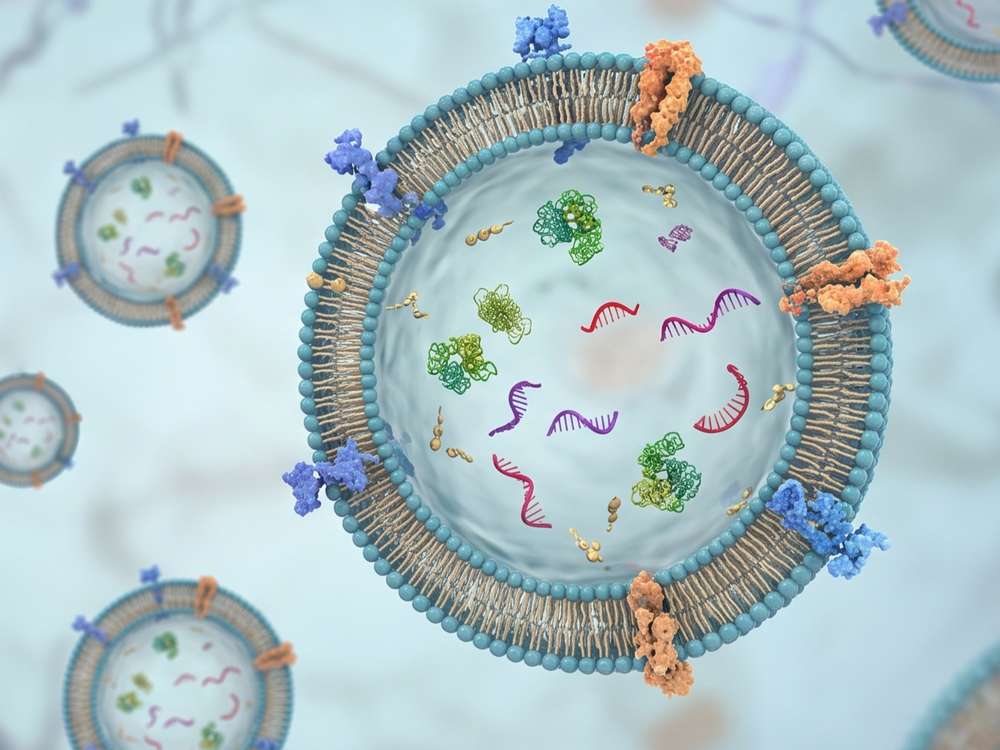
Utilizing nanovesicles of endosomal origin as drug carriers offers substantial biophysical advantages over standard synthetic platforms such as synthetic liposomes or polymeric nanoparticles:
Surface proteins inherited from donor cells allow these vesicles to recognize and bind to specific cell types, maximizing local accumulation within neoplastic tissue.
The natural lipid bilayer composition enables these vesicles to traverse restrictive tissue boundaries and endothelial layers via physiological transport pathways.
Sensitive molecular cargoes, including small interfering RNAs and unstable chemotherapeutic agents, are encapsulated within the vesicular lumen, protecting them from enzymatic degradation in the bloodstream.
Being derived from biological membranes, these carriers evade clearance by the mononuclear phagocyte system, extending their circulation half life and lowering systemic toxicity.
Consult With Our Scientists to Define Your Research Parameters
Current research focuses on utilizing the unique properties of these vesicles to deliver small molecule chemotherapeutics, gene silencing sequences, and immunostimulatory combinations directly to the tumor site.
Many anticancer compounds are first line systemic agents for advanced NSCLC. However, their clinical utility is constrained by poor water solubility and low tissue selectivity, necessitating toxic formulation vehicles that cause hypersensitivity reactions.
| Formulation Type | Proliferative Inhibition | Tumor Accumulation | Systemic Adverse Profiles |
|---|---|---|---|
| Free Compounds | Moderate | Low | High systemic toxicity; requires chemical solvents |
| Vesicle Encapsulated Compounds | High | Enhanced via homing mechanisms | Minimal off target effects; improved aqueous stability |
Encapsulation within lipid vesicles addresses these issues, demonstrating increased cytotoxicity against tumor cell lines and significant reductions in tumor volume in animal models compared to unencapsulated drugs. Immunohistochemical evaluations of human NSCLC tissue reveal high expression levels of C/EBPβ protein compared to normal lung parenchyma. This transcription factor plays a key role in maintaining the immunosuppressive state of tumor associated macrophages (TAMs). Delivering small interfering RNA targeting C/EBPβ via engineered vesicles downregulates this protein, delaying the G2/M transition in malignant cells and reducing their proliferative capacity. Crucially, this targeted delivery prompts the phenotypic transformation of TAMs from the M2 immunosuppressive state to the M1 proinflammatory state, restoring localized immune surveillance.
Dendritic cell derived exosomes (Dex) possess intrinsic antigen presenting structures capable of inducing robust adaptive immune responses. In patients with advanced, unresectable NSCLC who rely on induction chemotherapy based on platinum, Dex platforms are being evaluated as acellular tumor vaccines.
Engage Our Specialists to Align Your Experimental Strategy
Creative Biolabs maintains an advanced bioengineering pipeline designed to support researchers in evaluating and validating based on vesicle therapies for NSCLC. Our services cover every phase of development, moving from raw culture supernatants to validated in vivo models.
Our platform capabilities include:
Isolate intact vesicle populations from various donor cells, including dendritic cells or mesenchymal stem cells, using automated tangential flow filtration or size exclusion chromatography to remove extraneous protein complexes.
Utilizing passive methods like electroporation for nucleic acids and active donor cell modifications for endogenous protein sorting to package compounds or specific siRNAs efficiently.
Evaluating cellular internalization kinetics, macrophage phenotypic shifting, and anti-proliferative potency through standardized cell assays and preclinical animal models.
Discuss Your Project Requirements with Our Lead Researchers
To support laboratory standardization and accelerate discovery timelines, Creative Biolabs provides a specialized portfolio of research grade tools developed under strict quality control measures.





Partner With Our Biology Group to Optimize Your Study Design
A: The lipid bilayer structure of the vesicle creates a protective hydrophobic core that accommodates poorly soluble molecules. This configuration eliminates the need for harsh chemical solvents, stabilizes the drug in aqueous biological fluids, and utilizes the vesicle natural transport pathways to enhance accumulation within the tumor tissue.
A: Yes. We use western blotting and flow cytometry to monitor key surface markers before and after loading. This ensures that essential antigen presenting molecules and co stimulatory factors remain intact and functional on the vesicle membrane.
A: We utilize tangential flow filtration systems combined with another method like size exclusion chromatography. This technical arrangement allows for the automated, large scale concentration and purification of vesicles from large volumes of conditioned media, ensuring consistent yield and purity.
Coordinate With Our Laboratory Team to Finalize Your Testing Matrix