Therapeutic Exosomes for Pancreatic Cancer
Pancreatic Cancer Exosome Delivery Advantages Research Our Services Available Products FAQs
Challenge of Pancreatic Cancer
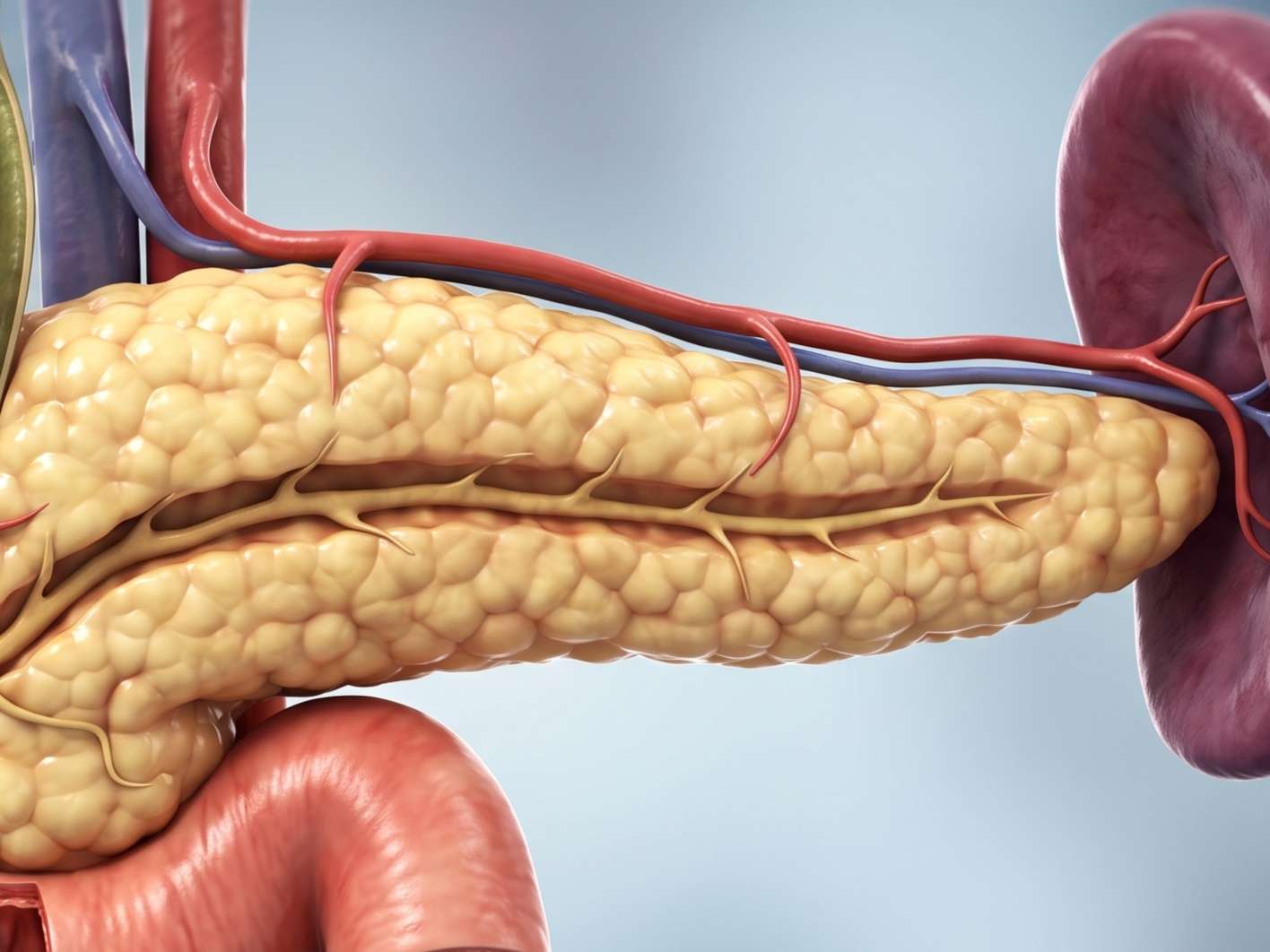
Pancreatic ductal adenocarcinoma and related acinar epithelial malignancies pose an exceptional hurdle in clinical oncology. This condition features an insidious onset, frequently leading to initial misdiagnosis as benign gastric disease during early stages. Because specific early indicators are absent, most individuals present with advanced metastatic disease at the time of initial clinical evaluation. The aggressive nature of this malignancy ensures rapid progression, leaving a very narrow window for medical intervention.
Over the past decades, systemic therapies have yielded disappointing results, and the overall five year survival rate remains stagnant at approximately 10%. This poor prognosis is driven by specific biological hurdles:
High Chemoresistance
Malignant pancreatic cells possess specialized survival mechanisms that render standard cytotoxic agents ineffective.
Aggressive Vascularization
The pancreatic tumor niche undergoes rapid remodeling, supporting swift locoregional expansion and distant organic metastasis.
Cellular Crosstalk
Vesicles derived from the primary tumor continuously reprogram local stromal cells and distant target organs, creating a supportive premetastatic niche and suppressing immune responses.
Consult With Our Scientists to Define Your Target Parameters
Why Exosomes Excel in Drug Delivery?
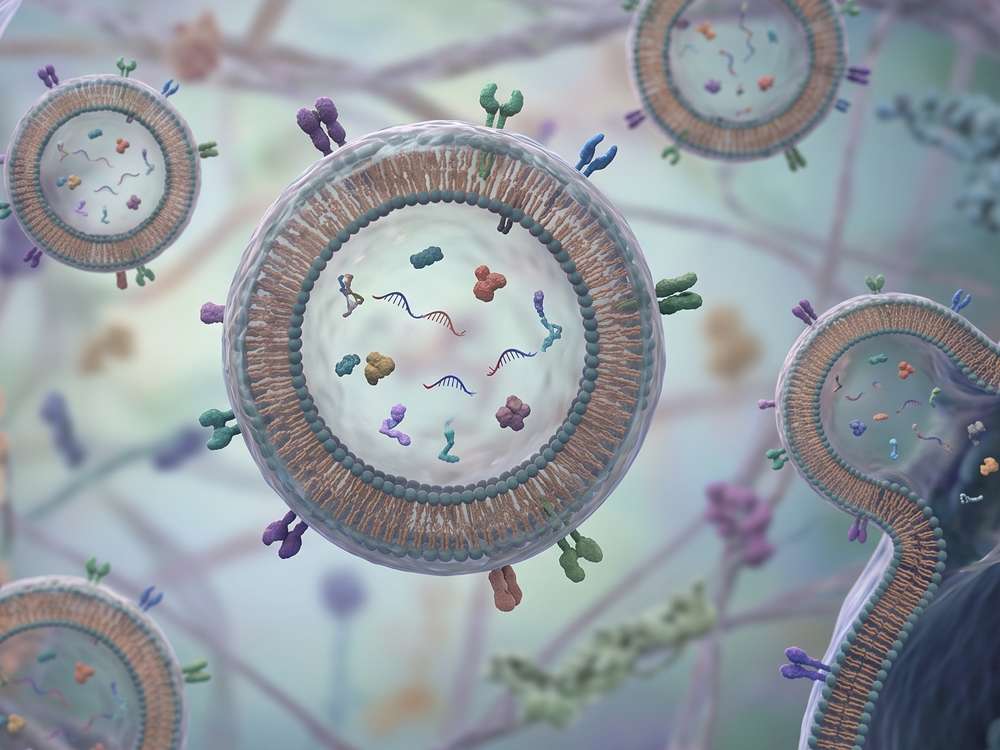
Overcoming these therapeutic barriers requires novel delivery vehicles capable of navigating complex anatomical environments. While synthetic lipid particles have been used widely, biological nanovesicles known as exosomes offer distinct biophysical advantages for targeted drug delivery in pancreatic oncology. These structures are natural endosomal units that mediate intercellular signaling, making them inherently superior to conventional synthetic carriers.
The biological benefits of utilizing these native bilayers include:

Enhanced Membrane Fusion
These structures fuse efficiently with target cell membranes, releasing higher concentrations of encapsulated therapeutics directly into the cytoplasm.

Minimal Cytotoxicity
Being of natural cellular origin, these vehicles do not provoke the systemic toxicities often triggered by synthetic polymers.

Evading Immune Clearance
Specialized surface proteins prevent rapid clearing by macrophages, extending biological circulation time.

Superior Tissue Permeability
Their typical nanoscale dimensions allow them to penetrate dense tumor stroma that usually blocks standard therapeutics.
Engage Our Specialists to Align Your Delivery Strategy
Current Progress in Targeted Vesicle Research
Current scientific research focuses on loading these biological carriers with specific regulatory sequences, small molecules, and nucleic acids to disrupt essential oncogenic pathways in pancreatic tumor models.
Oligonucleotide and Gene Silencing Cascades
Small Molecule Encapsulation and Synergy
Oligonucleotide and Gene Silencing Cascades
Altering the expression of specific oncogenes and survival factors using small regulatory RNAs has shown immense potential in tissue culture and animal models. By enclosing these sensitive molecules within protective lipid bilayers, researchers can prevent rapid enzymatic degradation in systemic circulation.
The efficacy of specific nucleic acid payloads has been documented across several pathways:
-
miR-34a Delivery: Delivering vesicles enriched with miR-34a downregulates the antiapoptotic factor Bcl-2 while activating programmed cell death pathways, halting tumor proliferation.
-
KRASG12D siRNA Intercept: Over 90% of pancreatic malignancies exhibit a specific mutation at codon 12 of the proto-oncogene KRAS. Vesicles derived from mesenchymal cells loaded with targeted siRNA reduce mutant mRNA levels, blocking macropinocytosis and slowing metastatic spread. This formulation has advanced into phase I clinical trials.
Small Molecule Encapsulation and Synergy
In addition to nucleic acids, standard chemotherapeutic agents can be packaged within biological vesicles to improve targeting and reduce systemic side effects.
|
Formulation Strategy
|
Carrier Source
|
Target Mechanism
|
Documented Efficacy
|
|
Native Gemcitabine
|
Autologous tumor cells
|
Specific nucleoside transport
|
Complete tumor regression and prevention of recurrence in murine models
|
|
Encapsulated Paclitaxel
|
Mesenchymal stem cells
|
Microtubule stabilization
|
Induced widespread apoptosis, resulting in a 50% reduction in tumor mass
|
Mechanistic evaluations show that using autologous or mesenchymal carriers bypasses the biological barriers that limit free small molecules, maximizing localized drug accumulation.
Discuss Your Project Specifications with Our Expert
Comprehensive Exosome Bioengineering Services
Creative Biolabs has built an advanced technical platform to support investigators in translating experimental vesicle therapies into scalable clinical candidates. Our bioengineering solutions are structured into sequential operational phases to maintain high purity and structural integrity.
We isolate intact vesicle populations from diverse cellular sources using highly efficient and classic exosome extraction technology to eliminate contaminating protein matrices.
The platform supports diverse encapsulation methods, including active electroporation for oligonucleotides, direct chemical incubation for lipophilic drugs, and donor cell genetic modification for endogenous protein expression.
Every batch undergoes rigorous quality control, utilizing Nanoparticle Tracking Analysis for size distribution, Transmission Electron Microscopy for structural validation, and western blotting for essential marker verification.
Partner With Our Research Team to Optimize Your Loading Plan
High Quality Tools for Lab Research
To ensure experimental reproducibility and accelerate developmental timelines, Creative Biolabs provides a specialized portfolio of research grade tools manufactured under strict quality criteria.
Designed for rapid, high purity isolation of nanovesicles from small volume cell supernatants and complex biological samples.
Fully characterized, stable vesicle preparations derived from verified cell lines to serve as dependable controls for quantification and sizing.
Membrane specific dyes and specialized conjugation reagents developed to monitor internalization kinetics and biodistribution in pancreatic tissue models.
Highly efficient click chemistry reagents for covalent engineering of vesicle surfaces, allowing antibodies to be linked directly under physiological conditions.
Coordinate With Our Biological Experts to Design Your Study
FAQs
Q: How do engineered vesicles overcome the dense extracellular matrix typical of pancreatic tumors?
A: Our platform can modify the surface of isolated vesicles or engineer donor lines to express specific targeting peptides or antibodies. These surface modifications recognize receptors overexpressed on pancreatic tumor cells, facilitating tissue penetration and localized retention.
Q: What methods confirm that small molecule chemotherapeutics are fully encapsulated rather than adhered to the vesicle exterior?
A: Following the loading procedure, the mixture undergoes rigorous purification to remove unencapsulated molecules. We then perform downstream analysis using nano flow cytometry to confirm internal cargo protection and quantify precise encapsulation ratios.
Q: Can the platform isolate vesicles from small volumes of patient-derived serum or plasma samples?
A: Yes. Our advanced isolation protocols and specialized recovery kits are optimized to extract high-purity vesicles from limited sample volumes, ensuring consistent yields even from small biological fluid samples.
Q: Can you assist in verifying whether the target pancreatic cancer cells actually internalize the vesicles?
A: Yes. We offer specialized fluorescent tracking tools and membrane labeling services. This allows researchers to visualize vesicle uptake kinetics within pancreatic cell lines via standard fluorescence microscopy.
Connect With Us to Customize Your Assay Protocol
For Research Use Only. Cannot be used by patients.
Related Services: