Gastric Organoids Introduction
Gastric organoids are essentially cultured in vitro by simulating the gastric epithelial microenvironment using gastric stem cells or pluripotent stem cells, along with various gastric epithelial cells derived from them. Stem cells, including pluripotent embryonic stem cells and induced pluripotent stem cells (iPSCs) or adult tissue-derived stem cells create complex tissue-like structures which exhibit key characteristics of the gastric mucosa through self-organization. Through the development of miniaturized gastric tissue models researchers now have a physiologically relevant system to study gastric motility, stomach development and disease mechanisms and drug reactions. These models stand out as superior basic experimental tools because they provide multiple benefits when compared to animal models and traditional cell culture systems. Human-derived gastric organoids provide a novel "window" for researchers to examine the human stomach in vitro.
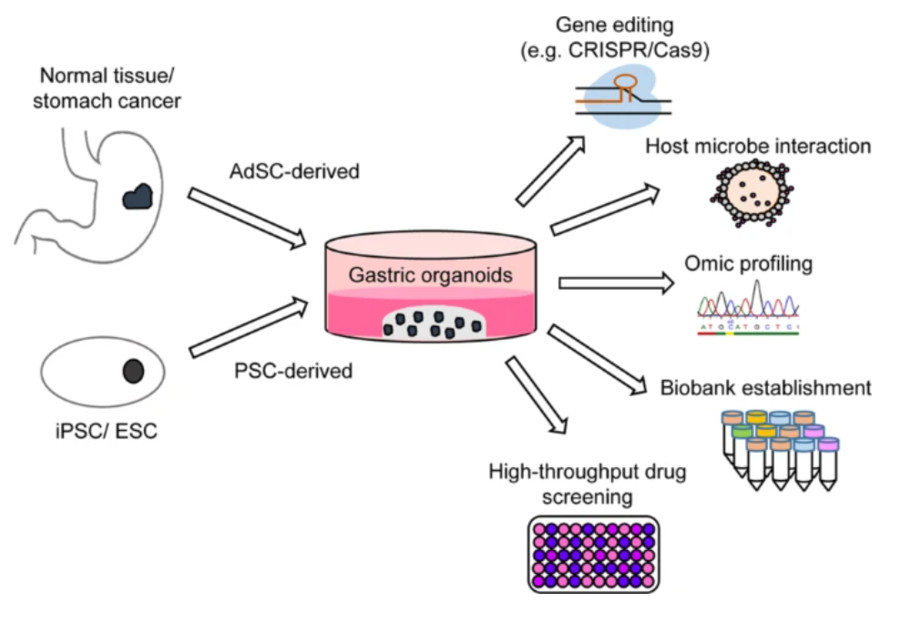 Figure 1 Construction of gastric organoids.1,5
What are Gastric Cancer Organoids?
Gastric cancer organoids serve as three-dimensional (3D) cell cultures that originate from tissues affected by gastric cancer or cells taken from patient tumors. The models accurately represent primary gastric tumor genetic features and physical and functional characteristics making them powerful instruments for studying gastric cancer biology and conducting drug tests while facilitating personalized treatment development. Gastric cancer organoids preserve their tumor microenvironment complexity alongside genetic diversity unlike traditional 2D cell lines which frequently lose tumor heterogeneity and physiological relevance.
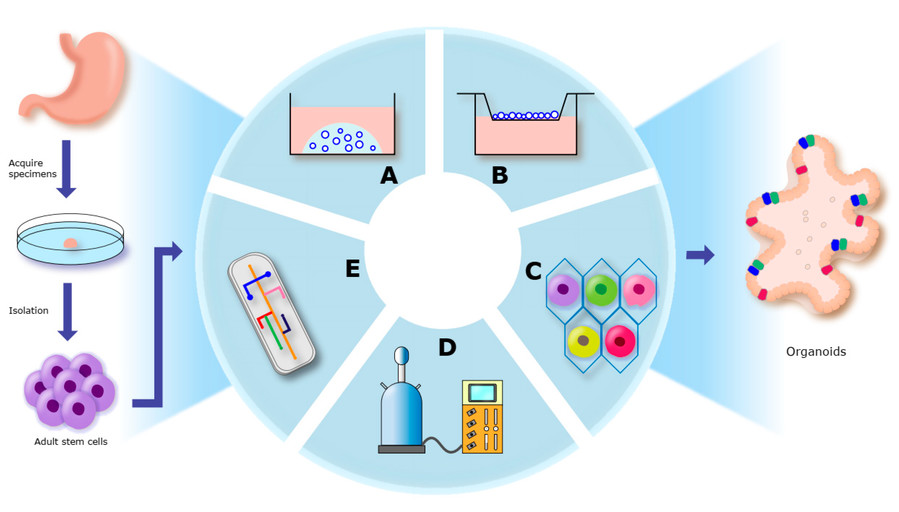 Figure 2 Culture modes of gastric organoid in gastric cancer.2,5
Cell Resources of Gastric Organoid
|
Cell Resources
|
Advantages
|
Limitation
|
Application Fields
|
|
Adult stem cells
|
Preserve the patient's genetic information
|
Limited expansion capacity
|
Personalized drug screening
|
|
iPSCs
|
Unlimited proliferation, simulate the development process
|
Long differentiation cycle (21-28 days)
|
Gastric embryonic development research
|
|
Circulating tumor cells
|
Non-invasive acquisition of metastatic lesion samples
|
Low success rate of establishing lines (~50%)
|
Mechanism of gastric cancer metastasis research
|
How to Design Gastric Organoid Culture Medium?
Growth Factor Selection
The selection of growth factors is a critical aspect of designing a gastric organoid culture medium. The previous discussion established that FGF10 is imperative for the growth and maintenance of gastric organoids. FGF10 attaches to the FGFR2b receptor on gastric stem cells which triggers intracellular pathways resulting in increased cell proliferation and differentiation. EGF forms a standard component alongside FGF10 in the culture medium. The epidermal growth factor receptor (EGFR) binds EGF which triggers cell division. Researchers must carefully determine the correct concentration levels for these growth factors. Excessive FGF10 concentration triggers abnormal cell proliferation and organoid growth defects whereas insufficient FGF10 levels lead to inadequate cell growth and differentiation.
Cytokine and Hormone Inclusion
Cytokines and hormones also play important roles in the culture medium. Noggin, a cytokine, inhibits the BMP signaling pathway. The BMP signaling pathway must be blocked to achieve cell fate specification and generate specific cell types during gastric organoid culture. The Wnt signaling pathway receives enhancement from R-spondin 1. The Wnt signaling pathway plays an essential role in preserving the stem cell identity of Lgr5+ stem cells within gastric organoids. Hormones such as gastrin can also be added to the culture medium. The hormone gastrin activates acid production in the stomach and affects the development of gastric organoids.
Nutrient Composition
The composition of nutrients within the culture medium plays a critical role. The nutrient composition of the culture medium needs to include essential amino acids together with vitamins and minerals for proper function. The cells in gastric organoids depend on glucose as a vital energy source. Precise glucose concentration is required because excessive amounts create metabolic stress for cells whereas insufficient quantities limit their growth. The medium must have the correct lipid levels because lipids play a crucial role in the synthesis and functioning of cell membranes. Serum-free supplements may be added alongside serum-based options to deliver supplemental nutrients and factors that promote cellular growth. The complexity and undefined composition of serum creates variability in experiments which leads scientists to choose serum-free media formulations that need precise optimization of other components to replace serum-derived factors.
Characterization of Gastric Organoids
-
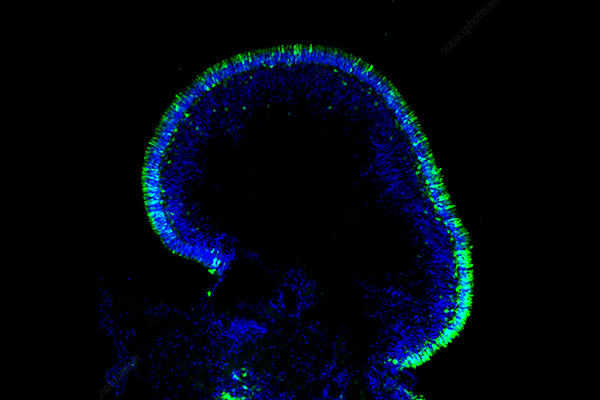
Morphological Observation: Microscopic examination reveals gastric organoids as 3D spherical entities with a central cavity. The size and morphology of these structures show differences according to culture conditions and cell type. Organoids from the stomach's fundus region develop into larger structures compared to the smaller organoids from the antrum region.
-
Immunofluorescence Staining: Gastric epithelial cell markers expression can be detected using specific antibodies like MUC5AC for surface mucous cells and MUC6 for neck mucous cells along with gastrin for endocrine cells. The analysis allows researchers to verify which types of cells exist within the organoids along with their differentiation stages.
-
Functional Assays: Gastric organoids' parietal cells secrete hydrochloric acid while chief cells produce pepsinogen. Organoid functional activity assessment is possible through the measurement of secreted substance levels. The barrier capability of the gastric epithelium is determined through transepithelial electrical resistance (TEER) measurements.
Advantages and Disadvantages of Gastric Organoids
|
Advantages
|
Disadvantages
|
-
Physiological Relevance: Recapitulate tissue architecture, cell-cell interactions, and functional properties.
-
Scalability: Expandable in vitro, enabling high-throughput drug screening.
-
Patient-Specific Models: PDOs and GCOs facilitate precision medicine approaches.
-
Reduced Animal Use: Minimize reliance on animal models for preclinical testing.
|
-
Lack of Stromal Components: Current models often exclude immune cells and fibroblasts, limiting disease complexity.
-
Cost and Technical Expertise: Requires specialized equipment and reagents (e.g., Matrigel, growth factors).
-
Long-Term Maintenance: Organoids may lose genetic stability after prolonged culture.
|
Applications of Gastric Organoids
Stomach Development and Physiology Research
Scientists apply gastric organoids to explore both how the stomach develops and its functional physiological processes. Scientists obtain insights into stomach development processes and gastric epithelial tissue balance by studying the growth and differentiation of gastric organoids.
Gastric organoids provide a superior method for drug screening and evaluation when developing gastric medications. Researchers can identify prospective drug candidates and refine treatment plans more rapidly by conducting drug tests on gastric organoids. The development process of new drugs for gastric illnesses becomes faster while treatment outcomes get better.
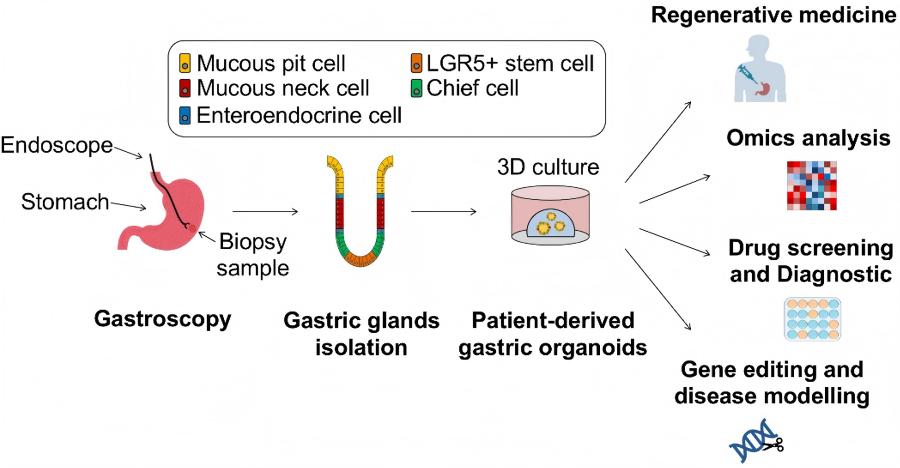 Figure 3 The potential applications of these patient-derived organoids.3,5
Disease Modeling
Research on gastric diseases such as gastric cancer and Helicobacter pylori (H. pylori) infection makes use of gastric organoids as research tools. Researchers can investigate tumor biology and its mechanisms because tumor-derived gastric organoids display precise genetic and phenotypic traits of gastric cancer. By infecting gastric organoids with H. pylori scientists can investigate how this bacterium interacts with gastric epithelial cells and determine the pathogenesis of H. pylori-related diseases.
Personalized Medicine
By culturing organoids from a patient's tumor, clinicians can test various anticancer drugs in vitro to determine which therapies are most effective for that individual's specific cancer. This helps to guide treatment decisions, minimize unexpected side effects, and improve treatment success rates. Studies have shown that the drug responses observed in PDOs correlate well with actual patient outcomes.
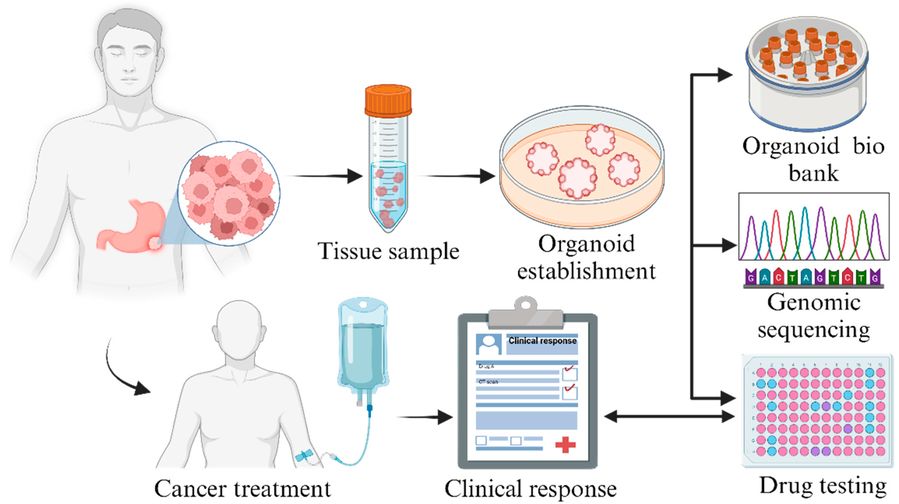 Figure 4 Schematic representation of personalized cancer treatment using GC organoids.4,5
Frequently Asked Questions About Gastric Organoids
Q: Can gastric organoids completely replace animal models?
A: While gastric organoids offer several benefits over animal models they still cannot fully replace them. Animal models deliver essential information about the stomach's systemic influences and physiological interrelations which gastric organoids cannot replicate. Gastric organoids function as a complementary tool to animal models by reducing animal experiment numbers and simultaneously enhancing research results through improved efficiency and precision.
Q: How long can gastric organoids be preserved?
A: Gastric organoids have the potential for indefinite storage through cryopreservation. The cryopreservation medium for organoids consists of 90% fetal bovine serum (FBS), 10% dimethyl sulfoxide (DMSO), and 10 µM Y-27632 dihydrochloride. After the initial storage of organoids in cryovials at temperatures below -80°C for 24 hours they are transferred to liquid nitrogen for long-term preservation. Organoids have the ability to thaw and then reculture as needed.
Q: Are there any ethical concerns associated with gastric organoids derived from pluripotent stem cells?
A: The creation of gastric organoids from pluripotent stem cells like embryonic stem cells (ESCs) triggers ethical debates. ESCs require embryos to be generated which leads to ethical problems because this process results in embryo destruction. Adult cell reprogramming produces induced pluripotent stem cells (iPSCs) which do not require embryo destruction thus increasing their ethical acceptability. Latest research demonstrates that scientists increasingly focus on using gastric organoids derived from iPSCs.
Conclusion
Gastric organoid technology is a rapidly evolving field in biomedical research. The ongoing progression and refinement of this technology equips researchers with effective methods for investigating gastric physiology and pathology as well as drug development. Gastric organoids show great promise for gastric disease research and development of new drugs and regenerative medicine even though they face challenges in achieving complete maturity and standardized culture techniques. Further research and wider application of gastric organoids will lead to new discoveries in gastric disease research.
Transform Your Research Using Cardiac Organoid Models from Creative Biolabs
Creative Biolabs is a biotechnology company dedicated to providing high-quality gastric organoid-related products.
Creative Biolabs strives to expand the frontiers of gastric organoid technology. Through our extensive array of services which spans custom organoid generation and characterization as well as advanced disease modeling and drug screening we enable researchers and pharmaceutical companies to speed up their biomedical breakthroughs and apply them to real-world clinical applications. Our collaboration enables clients to access advanced scientific expertise and reliable organoid platforms which guide gastric research advancements. Contact us today to learn more!
References
-
Seidlitz T, Koo B K, Stange D E. Gastric organoids—an in vitro model system for the study of gastric development and road to personalized medicine. Cell Death & Differentiation, 2021, 28(1): 68-83. https://doi.org/10.1038/s41418-020-00662-2
-
Huo C, Zhang X, Gu Y, et al. Organoids: construction and application in gastric cancer. Biomolecules, 2023, 13(5): 875. https://doi.org/10.3390/biom13050875
-
Jones B C, Calà G, De Coppi P, et al. Paediatric gastric organoids as a tool for disease modelling and clinical translation. Pediatric surgery international, 2021, 37: 317-324. https://doi.org/10.1007/s00383-020-04821-x
-
Silva T N, Wright J A, Worthley D L, et al. Precision Medicine for Gastric Cancer: Current State of Organoid Drug Testing. Organoids, 2024, 3(4): 266-280. https://doi.org/10.3390/organoids3040016
-
Distributed under Open Access license CC BY 4.0, without modification.
Research Model
Related Sections: